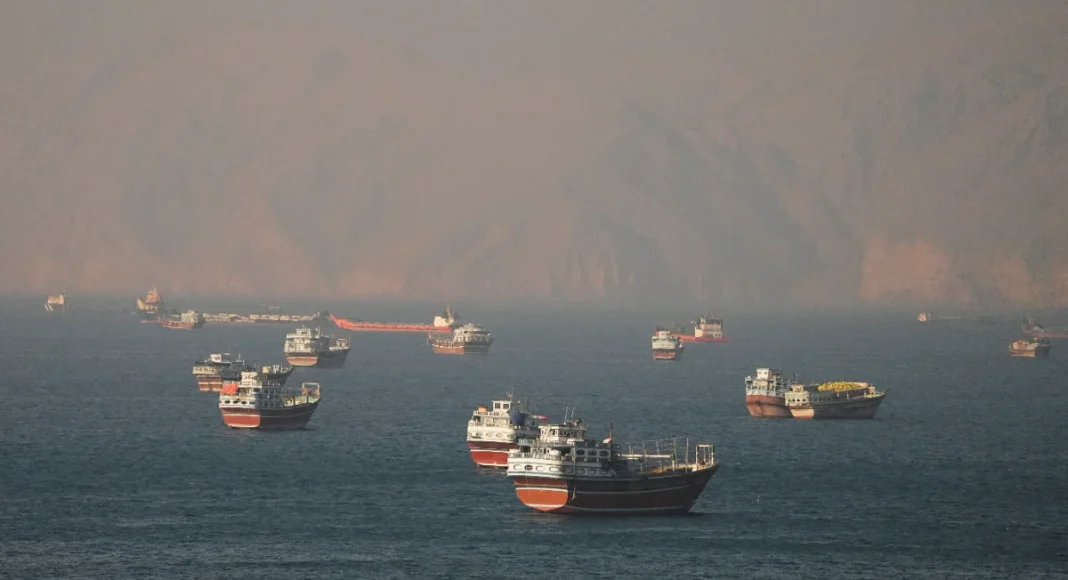
Dark transit should not automatically be treated as illegal or suspicious, as vessels in conflict zones may sometimes reduce electronic visibility to protect the ship, cargo and crew.
PETALING JAYA: Ships that go “dark” in high-risk waters by switching off tracking signals without proper coordination could expose their operators to legal liability, insurance disputes and weakened emergency response, a maritime expert cautioned.
Universiti Utara Malaysia Asian Institute of International Affairs and Diplomacy research fellow Dr Mohammad Khairuddin Othman said any decision to stop broadcasting tracking signals must not be made unilaterally.
READ MORE: Malaysia clears all vessels from Strait of Hormuz backlog – Shipowners’ Association
“In the context of the Strait of Hormuz, which is facing geopolitical tension and security threats, there is a possibility that some ships may choose to reduce their electronic exposure as a protective measure.
“However, such action must be based on a clear risk assessment and recorded in the ship’s log for reference by the authorities and the company later.
“If such an action is carried out without proper coordination with maritime authorities, the operating company, insurers and other stakeholders, it could increase the risk of misinterpretation of the vessel’s movement.
“It could also undermine monitoring and emergency response capabilities and potentially raise issues of compliance, legal liability and insurance disputes if an incident occurs at sea,“ he told theSun.
Khairuddin said the term “dark transit” generally refers to a vessel switching off or not broadcasting its automatic identification system (AIS) signal while sailing.
He said AIS functions as a vessel identification and tracking system, allowing maritime authorities and nearby vessels to monitor a ship’s position, course and identity.
This made AIS important not only for maritime monitoring, but also for navigational safety, especially in busy waters or areas with limited visibility.
“When the AIS is switched off, a vessel’s visibility to other parties is reduced, making the monitoring and verification of its movement more difficult.”
Khairuddin said dark transit should not automatically be treated as illegal or suspicious, as vessels in conflict zones may sometimes reduce electronic visibility to protect the ship, cargo and crew.
However, he said AIS data is also used by authorities to detect unusual movements, coordinate search and rescue operations and respond quickly during maritime emergencies.
Under the International Convention for the Safety of Life at Sea, he said vessels are generally required to operate the AIS at all times, although limited exceptions exist if the master believes broadcasting the signal could endanger the vessel or crew.
But Khairuddin said the impact of sailing through high-risk waters goes beyond the decision to keep AIS switched on or off.
For Malaysian vessels, he said risks in high-tension waterways include crew safety, higher war-risk insurance premiums, route changes, operational delays, sanctions screening concerns, commercial liability and reputational exposure.
He said Malaysia should consider clearer advisories if the situation in the Strait of Hormuz worsens, with the Marine Department taking the lead in guiding Malaysian-flagged vessels.
Such guidance, he said, should include updated risk assessments, emergency communication procedures, AIS use in high-risk areas, security checks, sanctions compliance and coordination between government agencies, insurers, shipping companies and industry groups.