Former World Cup referee welcomes crackdown on deliberate delays
LONG periods of added time in modern football are not ruining the game — they are restoring it.
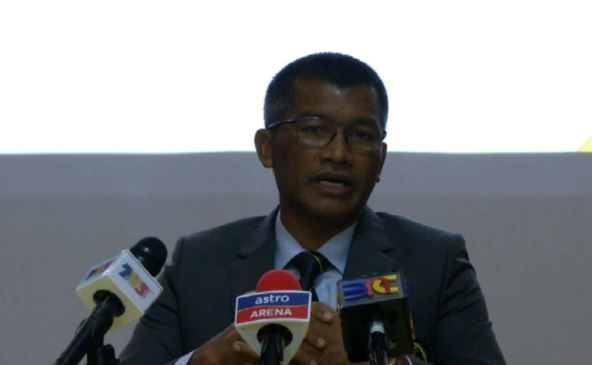
That is the view of retired Malaysian FIFA referee Subkhiddin Salleh, who believes the introduction of extended stoppage time and stricter time-management rules are necessary to protect the integrity of football and ensure fans get what they pay for.
The former 2010 Fifa World Cup official said the game had for too long tolerated excessive time-wasting by players.
“A football match is supposed to last 90 minutes. But sometimes the actual playing time is only around 25 or 30 minutes per half because so much time is wasted,” he explained to theSun when contacted.
According to Subkhiddin, delays often come from seemingly small actions — slow throw-ins, exaggerated injuries, delayed goal kicks and prolonged substitutions.
“When players take throw-ins, they walk slowly, pass the ball to teammates or deliberately delay the restart. Goal kicks can sometimes waste almost two minutes,” he added.
Subkhiddin admitted referees in the past often hesitated to punish such behaviour aggressively because issuing too many yellow cards risked affecting the flow of the match.
“You don’t want the game to become robotic with constant bookings. But at the same time, the spectators are suffering because they paid to watch football, not players pretending to be injured,” he said.
Subkhiddin said football authorities began taking the issue more seriously following the implementation of Video Assistant Referee (VAR) technology during the 2018 FIFA World Cup in Russia.
The use of VAR introduced unavoidable delays, especially during lengthy checks for penalties, offside calls or red-card incidents.
“When VAR tells the referee to delay a restart, that lost time must be replaced.”
He noted that referees are now required to calculate every interruption more accurately, including time spent on on-field reviews and medical stoppages.
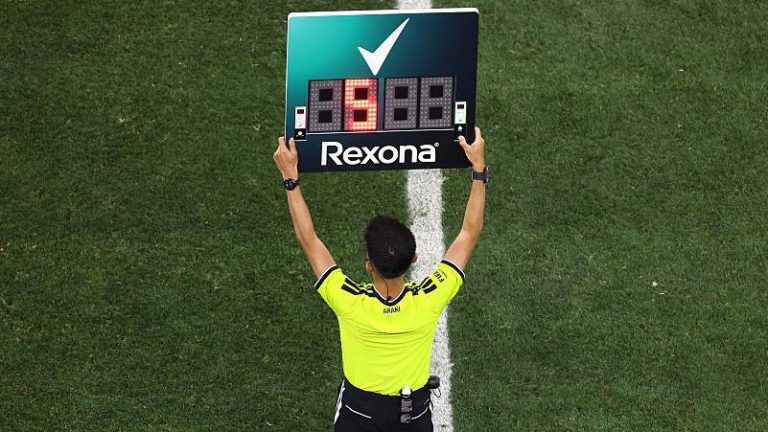
This, he said, is why modern football sometimes sees 10 to 15 minutes of additional time at the end of matches.
Interestingly, Subkhiddin pointed out that the longer added time has dramatically changed the tactical nature of football.
“Many goals are now scored during added time. Teams have started treating added time as part of their strategy.”
However, FIFA and the International Football Association Board (IFAB) are also introducing newer regulations aimed at reducing unnecessary delays altogether.
One example is the recently tested “eight-second rule” for goalkeepers, which limits how long they can hold onto the ball before restarting play.
Subkhiddin said similar timing measures are now being explored for throw-ins and substitutions.
“We want more real playing time. Fans pay expensive ticket prices, especially at World Cups, so they deserve to watch actual football.”
Under newer substitution procedures, substituted players are also required to leave the field within a specific timeframe to prevent deliberate delays.
According to Subkhiddin, these measures are already producing positive results.
“At tournaments where these rules were tested, we saw less protesting, less acting and more focus on football.”
Despite criticism from some coaches and supporters who dislike extended stoppage time, Subkhiddin believes the reforms are ultimately good for the sport.
“The purpose is simple — we want more football being played and less time being wasted.”
He also expressed hope that one day Malaysia would eventually qualify for the football’s biggest tournament.
“Hopefully one day we can solve all our football problems and build a truly strong Harimau Malaya team. Then we can proudly support Malaysia at the World Cup.”