Table of Contents
FOR many diners, Japanese Wagyu begins and ends with three familiar names: ribeye, sirloin and tenderloin. Ribeye, the king of marbling. Sirloin, the classic. Tenderloin, the most tender of them all. These cuts dominate menus and conversations, often defining how the luxury beef is perceived.
But beyond these prized sections lies a quieter story, one that speaks to sustainability, craftsmanship and a deeper appreciation of the animal itself. Increasingly, chefs and industry players are encouraging diners to look beyond the usual trio and reconsider Wagyu’s so-called secondary cuts.
In Malaysia, this conversation comes at an interesting time. While local diets are still largely dominated by chicken and fish, Malaysians record the highest per capita beef consumption among Southeast Asian markets, reaching 8.6kg per person in 2025, according to Fitch Solutions.
At the same time, demand for Wagyu has steadily risen, with Japan’s beef exports to Malaysia valued at 2.1 billion yen (RM53.6 billion) between January and November 2025. This marked an increase from the previous year and positioned beef as the top Japanese agricultural import in Malaysia.
With growing interest comes greater responsibility, not just in sourcing but in how the meat is understood and consumed.
‘Premium only’ mindset
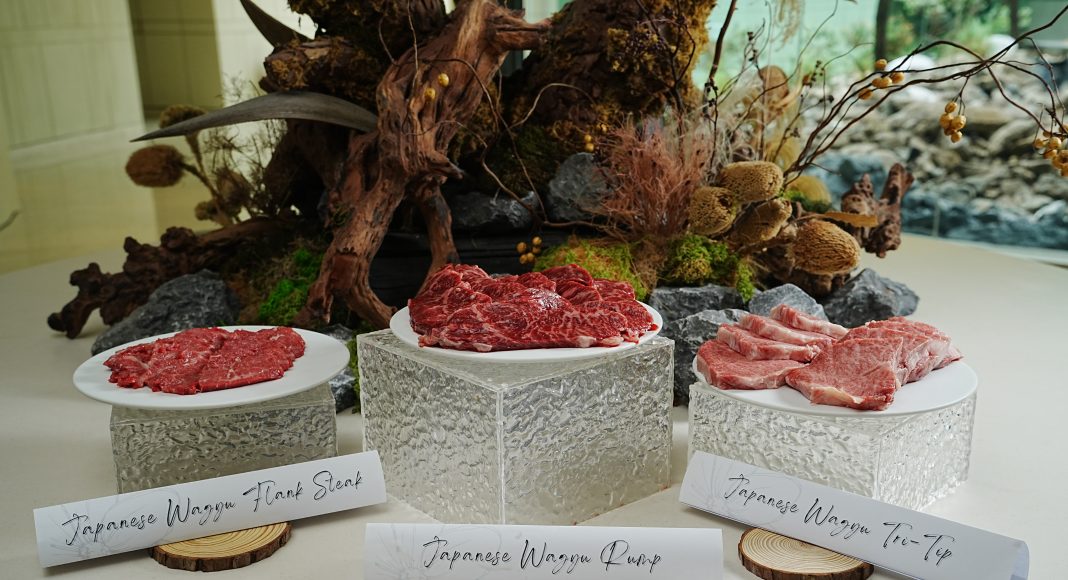
Secondary cuts such as chuck flap, tri-tip and oyster blade are often overlooked in favour of more recognisable steaks. Yet these cuts offer robust flavour, varied textures and remarkable versatility when handled with precision.
Chuck flap, for instance, delivers rich beefiness with enough marbling to remain tender when grilled. Tri-tip offers structure and depth, ideal for roasting or slicing against the grain. Oyster blade, when properly prepared, balances connective tissue with buttery pockets of fat.
Choosing these cuts does more than expand a diner’s palate. It reduces waste and encourages fuller utilisation of the animal. In a premium category such as Japanese Wagyu, where breeding, feeding and grading require meticulous care, honouring the whole carcass reflects respect for both craft and resource.
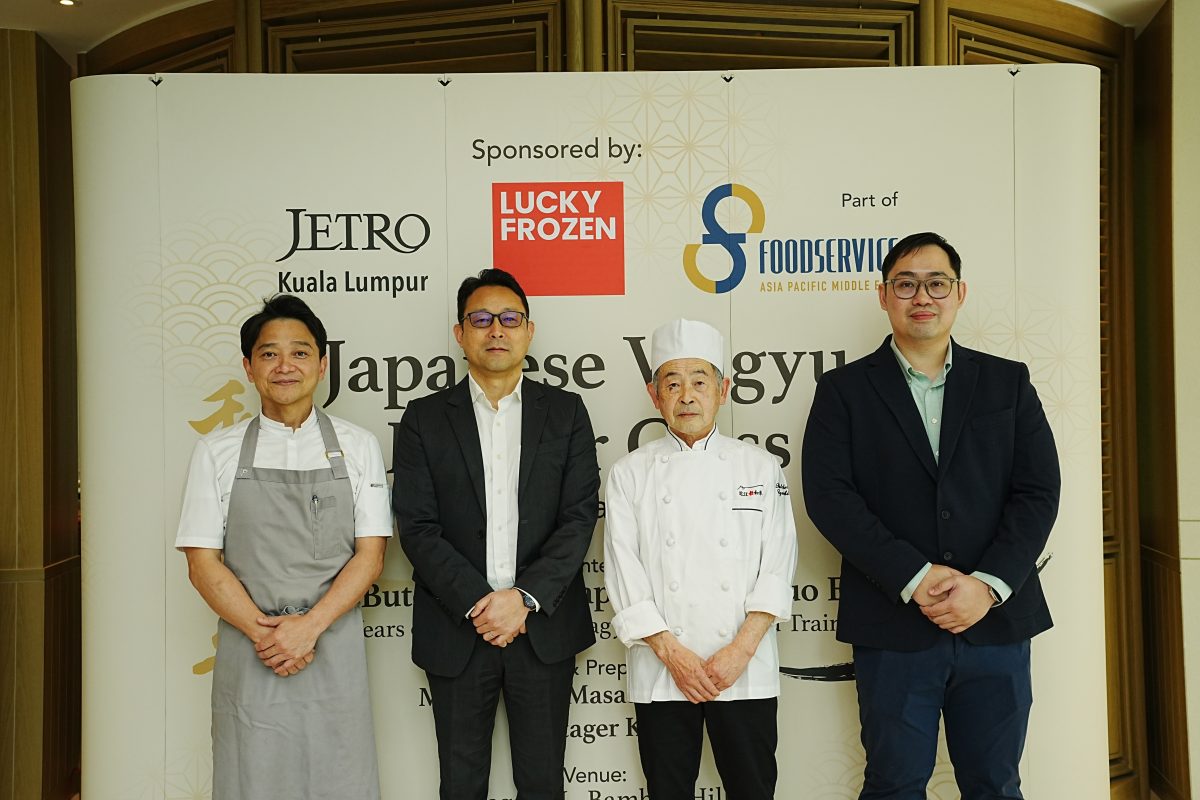
“As interest for Japanese Wagyu continues to grow in the Malaysian market, it is important for us to continue supporting local chefs in their culinary innovations,” said Jetro Kuala Lumpur managing director Koichi Takano.
Innovation in this context extends beyond presentation. It involves shifting perceptions.
Butcher’s table
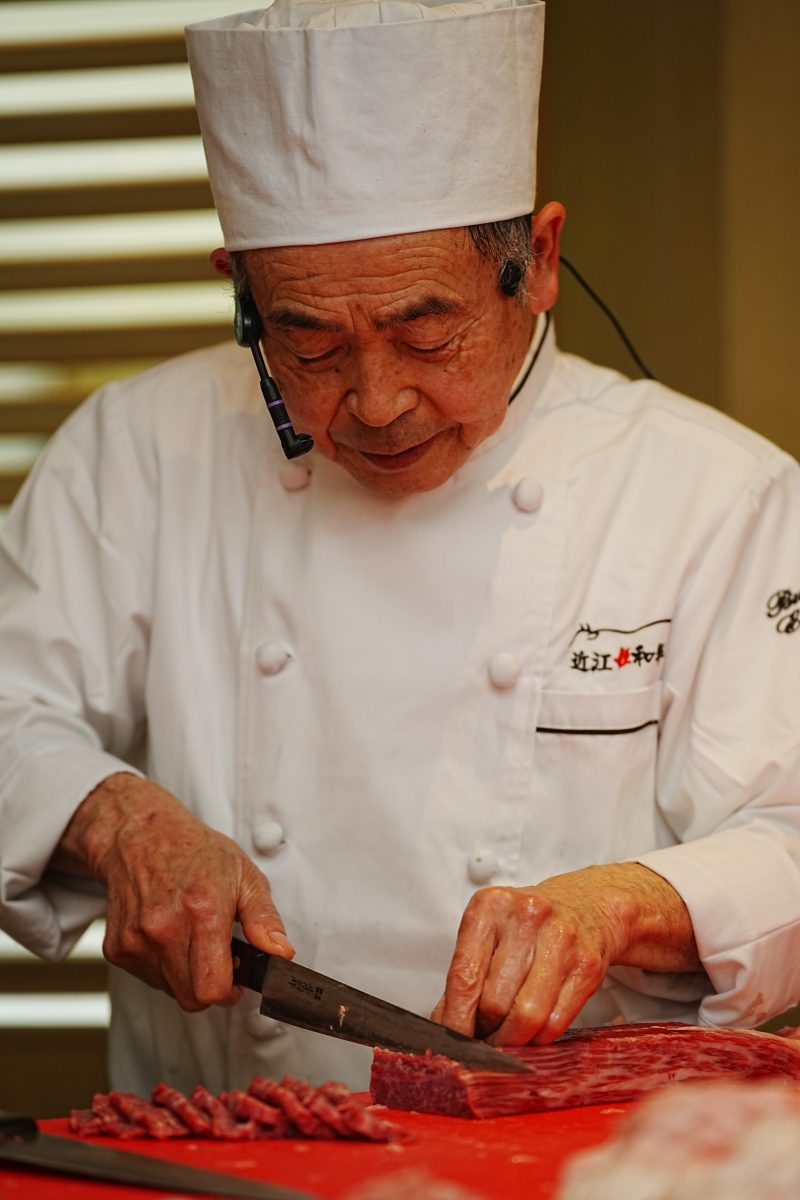
At a recent masterclass held at Potager in Bamboo Hills, members of the media and culinary professionals were given a closer look at this philosophy in action. The session featured a Wagyu cutting demonstration by master butcher Kazuo Eguchi, a contributor to the Japanese Wagyu Association.
Supported by Lucky Frozen, Malaysia’s leading distributor of halal protein and imported foods, the event highlighted the anatomy and logic behind different cuts.
Watching a master butcher break down Wagyu offers perspective. Each muscle has a purpose. Each fibre carries unique characteristics shaped by movement and function. The demonstration reframed secondary cuts not as lesser alternatives, but as distinct expressions of the same premium beef.
Understanding where a cut comes from changes how it is cooked. It informs slicing technique, heat control and resting time. More importantly, it challenges diners to rethink hierarchy.
From muscle to plate
Potager, the modern French restaurant led by master chef Masashi Horiuchi, provided a fitting backdrop for the masterclass. Known for its ingredient-driven philosophy and refined technique, the restaurant works closely with suppliers such as Lucky Frozen to ensure premium ingredients are treated with precision and understanding.
Through its approach, Potager demonstrates how secondary cuts translate from muscle to plate. Rather than masking texture or overpowering flavour, the kitchen highlights balance and structure. A tri-tip may be roasted gently to preserve moisture, while an oyster blade may be cooked in a way that softens connective tissue without compromising depth.
This approach reflects contemporary premium dining, where luxury is no longer defined solely by rarity but by knowledge and intention.
Shifting consumer perception
The stigma surrounding secondary cuts often stems from misunderstanding. Many diners equate tenderness with superiority, overlooking flavour complexity and texture variation. Yet in global culinary movements, there has been a renewed appreciation for nose-to-tail cooking and whole-animal utilisation.
In Malaysia, where beef consumption continues to rise and Japanese imports remain strong, the conversation around secondary cuts feels timely. As Wagyu becomes more accessible, diners are in a position to expand their expectations.
Opting for secondary cuts also presents a more approachable entry point into Wagyu. While premium steaks command high prices, lesser-known cuts can offer comparable satisfaction at different price tiers, allowing more people to experience Japanese Wagyu without narrowing their choices to only the most expensive sections.
Respecting craft and sustainability
Ultimately, removing the stigma around secondary cuts is about respect. Respect for the farmer who raises the cattle. Respect for the butcher who understands each muscle. Respect for the chef who translates anatomy into artistry.
It is also about sustainability. Using more of the animal reduces waste and aligns with broader conversations around responsible consumption in fine dining.
As Japanese Wagyu continues to carve out a presence in Malaysia’s culinary landscape, its story does not need to revolve solely around marbling scores and luxury steaks. The real depth of Wagyu lies in its entirety, from ribeye to chuck flap.
Perhaps the future of premium beef dining is not about chasing the most familiar cut, but about discovering the overlooked ones that quietly carry just as much character.