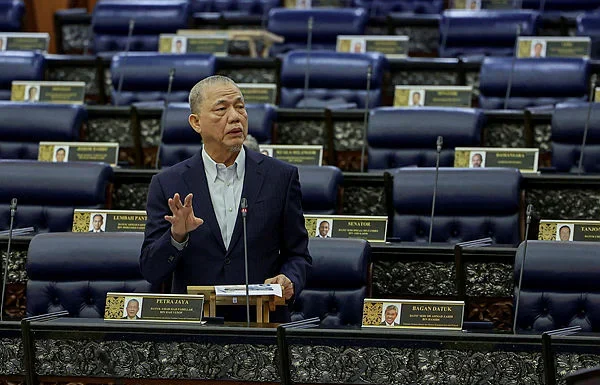

KUSKOP drafts the MSME Strategic Plan 2030 to help local digital entrepreneurs compete with foreign traders through digital platforms and initiatives
KUALA LUMPUR: The Ministry of Entrepreneur and Cooperatives Development (KUSKOP) has drafted the Micro, Small and Medium Enterprises (MSMEs) Strategic Plan 2030 to address challenges in the digital market, including competition from foreign traders with lower operating costs.
Deputy Minister Datuk Mohamad Alamin said the plan aims to transform local MSME entrepreneurs towards a more sustainable and competitive business ecosystem, capable of adapting to emerging trends and unforeseen challenges.
He said the ministry is aware of the operating cost constraints faced by local digital entrepreneurs and has introduced various initiatives and digital platforms to improve their market access at no cost.
“KUSKOP, among others, introduced the MyMall platform in 2022, which provides an e-commerce marketing space without any premises charges for local entrepreneurs and cooperatives.
“As of May 31, a total of 5,776 traders had registered under MyMall, recording cumulative sales of RM24.5 million,” he told the Dewan Rakyat during question time today.
He was replying to a question from Mohd Kurniawan Naim Moktar (BN-Kinabatangan), who had wanted to know whether the government was considering the establishment of specific protection policies or mechanisms to help local digital entrepreneurs improve productivity compared with foreign sellers who enjoy operating cost advantages.
To strengthen the capabilities of local entrepreneurs on international platforms, Mohamad said KUSKOP, through Tekun Nasional, has also collaborated with TikTok Shop to provide livestream studio facilities.
He said a total of 1,054 local digital entrepreneurs have utilised the facility and generated sales of up to RM35 million.
“Agencies under the ministry such as Bank Rakyat have also assisted in digitalising 627 rural entrepreneurs through the Jajahan Rakyat programme, with a financing allocation of RM610.6 million to ensure they are not left behind in the digital economy era,” he added.