Materials recovered from used batteries include lithium, cobalt, nickel, manganese, copper and aluminium, which can be reused in manufacturing new batteries and electronics.
GEORGE TOWN: Used lithium batteries from mobile phones, power banks and electric vehicles are piling up faster than Malaysia can recycle them. Penang Housing and Environment Committee chairman Datuk Seri Sundarajoo Somu said many people still dispose of lithium batteries carelessly, posing serious environmental and safety risks if not properly managed.
“Sustainability requires collective participation and cannot be achieved by the government alone.
READ MORE: How BMW, UM are powering rural Malaysia with second-life batteries
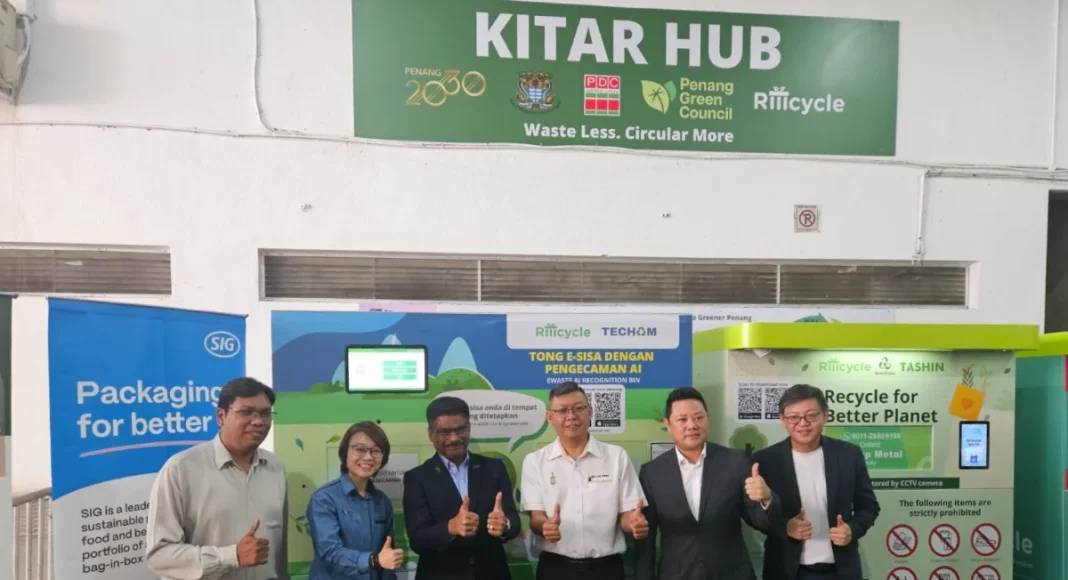
“Strong collaboration between the government, industries, recyclers, technology providers and the public is essential in building a more sustainable future,” he said at the launch of the Rechargeable Battery Circularity Programme and Kitar Hub initiative in Penang on Friday.
Describing the initiative as “structured and technologydriven”, Sundarajoo said both the state government and the Penang Green Council have consistently supported environmental initiatives promoting sustainability, innovation and community participation.
The programme is led by Techom Metal Sdn Bhd, which manages battery recycling and recovery processes, while collection operations are handled by Riiicycle Tech Sdn Bhd.
The collection network currently comprises about 70 bins and stations across Penang and Kuala Lumpur, including 31 located at high-rise residential buildings for easier public access.
Apart from fixed collection points, the programme also offers house-to-house e-waste collection services and battery buy-back schemes to reach households unable to access drop-off centres.
The initiative also plans to expand collection points to shopping malls, retailers and commercial premises as more rechargeable devices enter the market.
Techom director Tan Yeow Chuan said the company handles scheduled waste, including lithium batteries and electronic waste, at its facilities in Bukit Minyak.
He said recycling and recovery processes include collection, sorting, dismantling and material recovery before reusable materials are extracted for industrial use.
Tan said materials recovered from used batteries include lithium, cobalt, nickel, manganese, copper and aluminium, which can be reused in manufacturing new batteries and electronics.
“These recovered materials reduce the need for new mining operations and help close the loop in battery production,” he said.
On electric vehicle (EV) battery lifespan, Tan said EV batteries generally last between five and eight years before requiring replacement or disposal, with larger numbers expected to enter the recycling cycle before 2030.
“We need to prepare the infrastructure now to handle the wave of EV batteries that will need recycling within the next few years,” he said.
Road Transport Department data previously showed EV registrations in Malaysia more than doubled in 2025, raising expectations of larger volumes of battery waste in the coming years.
Meanwhile, Riiicycle founder Chew Chin Huat said the programme connects consumers, collectors, aggregators and recyclers to track where discarded batteries end up after collection.
“We are building an ecosystem for collection across the entire supply chain – from consumer to recycler – with full traceability,” he told theSun.
He said the system ensures recyclable materials are sent to licensed recyclers instead of “illegal players” who may improperly handle waste.
“About 800 tonnes of recyclable items, including batteries, e-waste and used cooking oil, have been collected since early 2024, based on invoices and average weight estimates,” Chew said.
The programme also offers rewards allowing users to exchange recyclable items for ewallet credit or vouchers through the Riiicycle mobile app as an incentive for proper disposal.
Smart bins equipped with sensors, AI-assisted e-waste bins and used cooking oil collection bins have also been introduced as part of the recycling operations.