As pickleball and Hyrox grow, experts call for smarter training habits
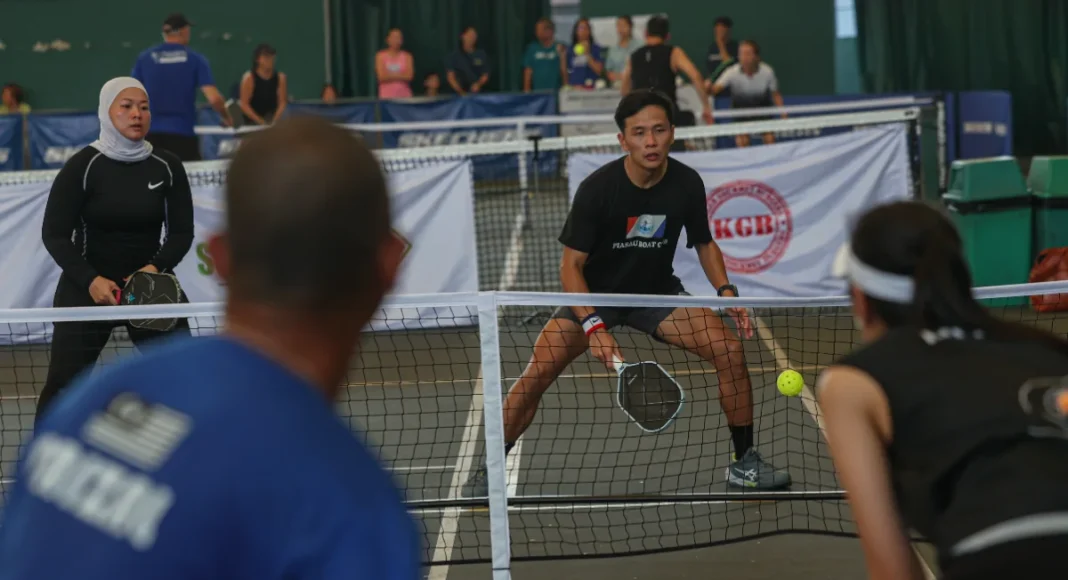
PETALING JAYA: The rapid rise of recreational sports such as pickleball, padel and futsal, as well as fitness competitions like HYROX, is encouraging more Malaysians to lead active lifestyles.
However, a sports expert warns that many recreational athletes are suffering preventable injuries by pushing their bodies beyond safe limits too quickly.
READ MORE: Skipping breakfast: A hidden driver of childhood and adolescent obesity
Universiti Teknologi Malaysia (UTM) Sports Science senior lecturer Dr Hadafi Fitri Mohd Latip said sports medicine practitioners are observing a clear surge in injuries locally and globally as high-intensity, fast-paced sports gain popularity.
“Many people enter these sports enthusiastically but without adequate conditioning, mobility, strength foundation or recovery preparation.”
He explained that such sports involve explosive movements, rapid changes of direction, repetitive loading and high cardiovascular demands.
While the body’s musculoskeletal and cardiovascular systems – including muscles, tendons, ligaments, cartilage and the heart – require time to gradually adapt to new training loads, problems arise when individuals abruptly transition from a sedentary lifestyle to high-intensity competition several times a week.
He said the most common injuries seen today include ankle sprains, ACL (torn ligament) and meniscus (knee) tears, Achilles tendinopathy, hamstring strains, rotator cuff irritation, lower back pain, plantar fasciitis and wrist or elbow overuse injuries.
He added that HYROX and similar functional fitness events present an even greater challenge by combining endurance activities with resistance exercises.
Elaborating, Hadafi said when fatigue accumulates, movement mechanics deteriorate, increasing injury risk significantly. He attributed this trend to “load mismanagement“, where a sudden spike in training workload exceeds the body’s capacity to adapt.
“Beyond physical strain, many recreational athletes also ignore early warning signs, often dismissing mild pain as normal soreness or associating it with mental toughness.
“Commonly overlooked symptoms include joint instability, persistent stiffness, swelling, sharp pain, reduced range of motion, weakness during loading and clicking or locking sensations in joints.”
Hadafi said while these symptoms may seem minor initially, untreated injuries worsen over time. For instance, he said a mild ankle sprain can develop into chronic instability, untreated tendon inflammation can progress to long-term degeneration and small cartilage tears can accelerate the onset of osteoarthritis
“Delayed treatment is particularly dangerous because the body automatically compensates for the injured area.
This places extra stress on other structures, triggering a chain reaction of secondary injuries.” Hadafi also highlighted a common pitfall among Malaysians returning to exercise after years of inactivity.
He said many assume their bodies can still perform at previous levels despite natural declines in strength, mobility, coordination and aerobic capacity.
Frequent mistakes include doing too much too soon, skipping warm-ups, neglecting strength training, poor recovery habits, copying advanced athletes and ignoring pain.
Using improper footwear and equipment further compounds this biomechanical stress.
“Progressive overload must be gradual and individualised. What works for elite athletes is not suitable for beginners or those returning after long breaks.”
Despite the rising number of injury cases, he said most recreational sports injuries are preventable with proper preparation. He recommends a 5 to 15-minute dynamic warmup before activity, followed by a gradual intensity build-up, proper hydration and suitable footwear.
Post-exercise recovery is equally vital, he added, requiring cool-downs, flexibility work, targeted nutrition, hydration and sufficient sleep.
As Malaysia’s sports participation continues to grow, Hadafi said the focus should not be on discouraging physical activity, but on building a more informed and sustainable sporting culture. “Exercise should improve quality of life, not create preventable long-term disability.