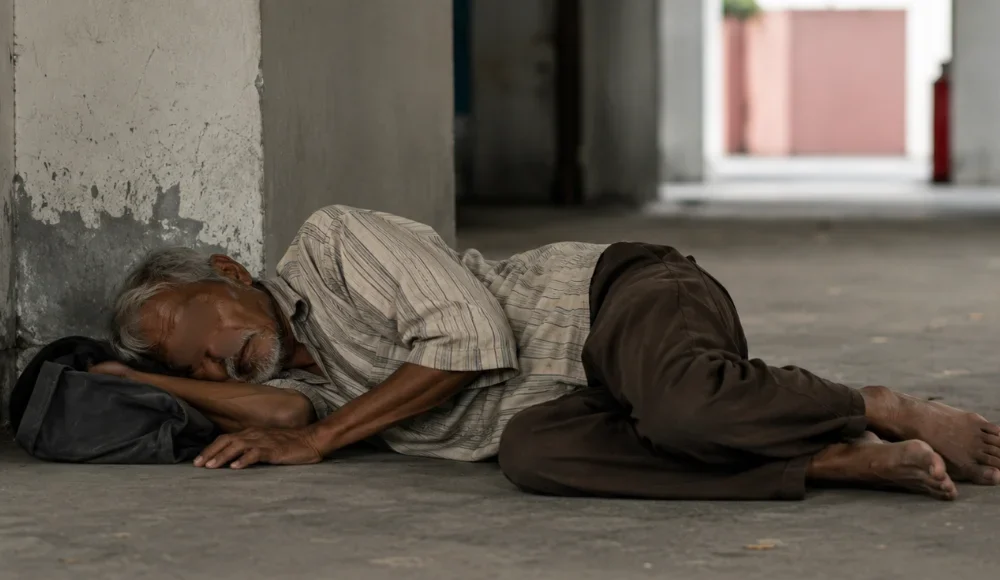
Dying alone could significantly affect a patient’s dignity, comfort and emotional wellbeing during their final days.
PETALING JAYA: More Malaysians could face the end of life alone in the years ahead as shifting family structures and an ageing population drive up the risk of social isolation among older adults, said Universiti Malaya Medical Centre senior consultant palliative care physician Dr Sheriza Izwa Zainuddin.
She said demographic trends already show a growing number of adults living alone or without immediate family networks, raising the likelihood that more patients would face illness and death without adequate family support.
READ MORE: Messi marks 200th Argentina appearance with World Cup hat-trick against Algeria
“These are the patients who, when they become ill, may only have a lone caregiver or no caregiver at all.
“Based on the demographic data that we are seeing in Malaysia today, this is the reality we are likely to face in the future.”
She added that it is becoming increasingly common in palliative care for patients to spend their final moments without loved ones present, making it not only a social issue, but also a healthcare concern.
“Dying alone could significantly affect a patient’s dignity, comfort and emotional wellbeing during their final days.”
Sheriza stressed that the trend is one of the key reasons the centre established the No One Dies Alone Companion (Nodac) programme, the first initiative of its kind in Malaysia, to ensure terminally ill patients are not left alone during their final moments.
She stated that Nodac is designed for terminally ill patients with no family members or only a sole caregiver, while also aiming to raise awareness on death, dying and caregiving, which remain heavily stigmatised and poorly understood in Malaysian society.
“The primary aim is to support every patient at the end of life and ensure no one faces death without compassion and companionship.
“There is still limited awareness and understanding on end-of-life issues,” she highlighted.
She also said patients are referred to the programme through various departments and subspecialities at the centre, where the palliative care team assesses whether they would benefit from the service.
She added that the programme works closely with medical social workers to address not only the physical symptoms, but also the emotional, social and practical needs of patients approaching the end of life.
“Some patients are truly alone and have no family members. In such situations, we work together with social workers and volunteers to ensure their needs are supported.
“This is part of a patient-centred, holistic approach to care.”
Sheriza emphasised that while healthcare professionals have long provided support to patients without relatives, Nodac formalises and expands the effort by involving trained volunteers and the wider community.
She also said all volunteers are required to undergo specialised training before being assigned to patients, including what to expect during the end-of-life stage, physical and emotional changes, as well as how to handle difficult conversations.
“Sometimes, patients may feel more comfortable speaking to volunteers than healthcare professionals, so it is important that volunteers know how to provide support and when to seek further assistance,” she said.
Sheriza highlighted that while Nodac was specifically designed for terminally ill patients who have no family members or only a sole caregiver, many who approach the service still have family support.
She added that in such cases, the palliative care team instead focuses on guiding and educating families to be present and support patients during their final stages of life.
“The programme has strict criteria as it is meant for patients with no family members or caregiver as ethical considerations are important to ensure confidentiality and avoid disputes from relatives later.”
Looking ahead, she said clear policies would help guide healthcare providers, establish training standards and ensure equitable access to end-of-life care services as the country continues to age.