Speech and language therapy helps head and neck cancer patients regain voice, swallowing and communication abilities after radiotherapy.
VOICE is an unique and distinct feature for every individual based on their anatomical structure, physiological usage and behaviours including the duration of vocal usage. Articulation is the ability to pronounce words using the active articulators namely the tongue, lower lip and lower teeth and the passive articulators such as the upper teeth, upper lip, alveolar ridge and palate. Swallowing is the ability to swallow the food bolus into the food tract commonly known as the oesophagus. Communication is an ability to exchange information, ideas, thoughts or message from a person to another person or a group either verbally or non-verbally.
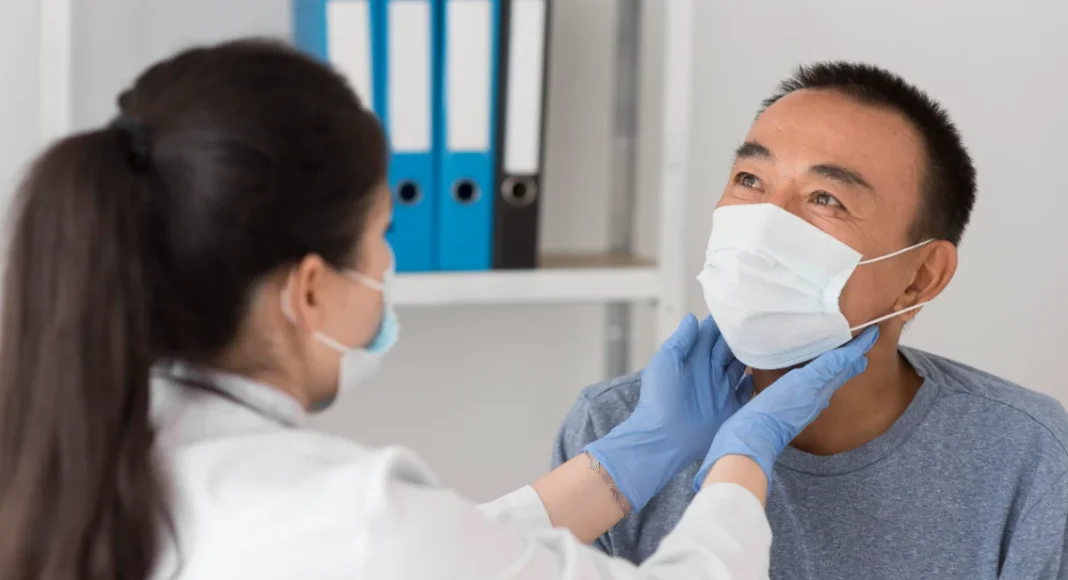
However, all the 4 major functions mentioned above are commonly affected when a person is diagnosed with head and neck cancer. The risk factors are observed to be severe for those labelled with Laryngeal cancer rather than other types of head and neck malignant tumors. Speech and Language Therapists/Speech Language Pathologists work collaboratively with Radiotherapists for the betterment of the patient’s progress, vocal quality, communication and better quality of life. Most Speech and Language Therapists advise their patients to prioritize their radiotherapy intervention prior to attending voice therapy sessions to notice remarkable improvements.
Radiotherapy is one of the treatments for many patients diagnosed with cancer, alongside surgery and chemotherapy, but its side effects can be profound. Radiotherapy utilizes extremely high energy radiation that is precisely manipulated to target cancerous tissues while sparing healthy tissues. To put it in perspective, a radiotherapy unit can deliver around 100,000-times higher radiation dose than a typical chest X-ray machine that we take during health screening. Hence radiotherapy treatment procedure requires a highly trained group of experts consisting of oncologists, medical physicists, radiation therapists, nurses, and technical experts for it to be performed accurately and safely.
Unfortunately, some cancers are located in a very close proximity to vital organs, increasing the complexity of the treatment and escalating the risk of side effects. For example, radiotherapy patients with laryngeal cancers often face challenging side effects such as reduced vocal clarity, difficulty articulating words and impaired swallowing functions (dysphagia) after completing their treatment cycles. These side effects can affect not only physical health but also emotional well‑being, social participation and overall quality of life.
To curb the side effects, patients are highly recommended to speech and language therapy as part of the rehabilitation process after radiotherapy. Through targeted exercises, therapists help clients to regain strength and coordination in the muscles responsible for speech and swallowing. Techniques such as articulation drills, voice therapy and swallowing maneuvers are tailored to the client’s individual needs, ensuring that therapy is both effective and patient‑centered. Importantly, therapy also addresses communication strategies, empowering clients to express themselves confidently despite persistence of any physical limitations.
However, the benefits extend beyond functional recovery. As a result of an improved speech, voice and swallowing reduce the risk of malnutrition and aspiration, while restoring communication fosters social connection and emotional resilience. Patients often report greater confidence, reduced moments of isolation and renewed independence in their daily life. Families and caregivers are relieved as the patient’s communication becomes clearer and therefore enhances their relationships and reduces frustration.
In this field of oncology, early intervention is the key to any level of progress. Engaging speech and language therapy soon after radiotherapy would maximize the recovery potential and prevent the complications from becoming exacerbated. Collaboration between oncologists, nurses, radiologist and speech therapists ensures a holistic care, where the medical treatment and rehabilitation goes hand in hand.
As the cancer survival rates continue to rise in this modern era due to multiple lifestyle changes, attention must be turned to quality of life after treatment. Speech and language therapy post radiotherapy offers hope and practical solutions, helping clients to repossess their voice. Through the intervention strategies, the client would restore dignity, connections, positivity and the ability to live fully beyond their history of chronic medical condition.
Dr. Muhammad Afiq Khairil Anuar is a senior lecturer and program manager for Diploma in Radiotherapy at the Department of Healthcare Professional, Faculty of Health and Life Sciences and Sharon Viola Shanthini is a lecturer, program manager and principal speech language pathologist at the Department of Optometry, Rehabilitation and Well-being, Faculty of Health and Life Sciences in Management and Science University.