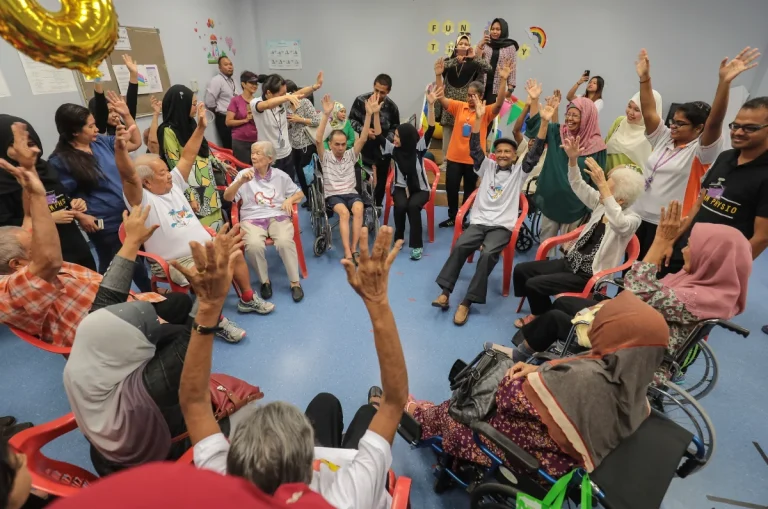
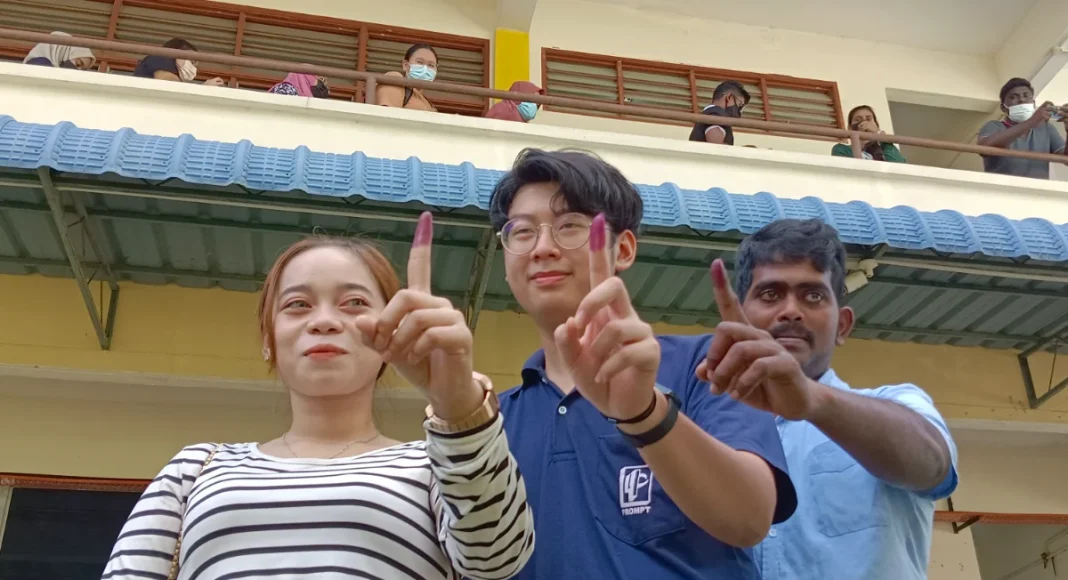
Do we see young voters as engaged citizens with genuine policy interests, or merely as a large reservoir of votes to be tapped into?
THE upcoming Johor state election will reveal whether Malaysia’s Undi18 generation has progressed from mere electoral symbolism to genuine democratic substance.
Young Malaysians have become a significant political force following the introduction of Undi18 and automatic voter registration. However, all too often, the conversation has concluded with numbers.
READ MORE: Johor polls: Umno’s test is not only to win, but to reclaim the centre
Politicians often praise the number of young voters when it aligns with their campaign strategies. Political parties frequently highlight the importance of young voters in their speeches, manifestos, and social media communications.
Campaign strategies often leverage the energy and vibrancy of young individuals to project a sense of renewal. However, a more essential question remains unaddressed: do we see young voters as engaged citizens with genuine policy interests, or merely as a large reservoir of votes to be tapped into?
Johor serves as a compelling example for analysis. In the 2022 state election, the state emerged as one of the initial major evaluations of Undi18.
The inclusion of young voters, along with the implementation of automated voter registration, significantly enhanced the electorate.
Individuals between the ages of 18 and 29 constituted approximately 30% of the Johor electorate. In theory, their presence ought to have transformed the political landscape. In reality, the outcomes showed a more intricate situation.
Barisan Nasional secured 40 out of 56 seats, successfully attaining a two-thirds majority. The victory represented not merely a revival of traditional politics; it stemmed from factors such as low voter turnout, a divided opposition, a robust electoral system, and a committed base of supporters.
The election highlighted that although young voters hold a notable presence in statistics, they often lack the political influence needed to effect change. Power can only emerge when a significant number of individuals are organised, informed, and mobilised.
This is the key takeaway from 2026. Young voters must not allow themselves to be merely viewed as numbers in campaign data.
They should not settle for the label “kingmakers” without understanding the responsibilities that come with it. When young individuals receive accolades during election periods but are subsequently overlooked, the health of democracy is compromised.
Accountability is crucial at every stage of the election process—before, during, and after. It strengthens the democratic system and ensures that voices are heard.
The main responsibility of young voters is to participate in elections by casting their votes. This might seem basic, but the 2022 Johor elections demonstrated that voter turnout can significantly influence a state’s political trajectory.
When voter participation is minimal, parties that possess superior organisational structures and committed supporter groups tend to gain an advantage.
When young and first-time voters choose to stay home, they unintentionally endorse the political landscape they often critique. A vote not cast does not serve as a form of protest; instead, it opens the door for others to step in and fill that gap.
Nonetheless, casting your vote is just one part of the equation. It’s essential for younger voters to develop a strong understanding of policy issues.
It’s essential for young voters to engage with candidates by posing targeted questions about their strategies regarding salaries, housing, public transportation, job creation, digital skills development, mental health initiatives, climate resilience, combating corruption, and enhancing local governance.
If a politician relies solely on slogans, it’s crucial for young voters to insist on detailed information. If a party commits to reform, it’s crucial for the younger generation to insist on clear timeframes, budgets, and tangible outcomes.
If a manifesto appears attractive, it is crucial for young voters to evaluate its feasibility for implementation at the state level.
Johor’s young voters are diverse and varied. A university student in Skudai, a factory worker in Pasir Gudang, a gig worker in Johor Bahru, a young farmer in a Felda community, a teacher in Muar, and a Johorean working in Singapore each navigate their unique circumstances and challenges.
Diversity holds significant value. Young voters in urban areas often express worries regarding public transportation, the affordability of housing, the availability of digital jobs, and the quality of the environment.
Young people in rural areas often focus on the importance of reliable internet access, the state of local roads, opportunities for agricultural income, avenues for entrepreneurship, and the value of technical education.
Young cross-border workers might find themselves worried about their income, the delays at borders, changes in currency value, and the rising costs of living.
Consequently, it is essential for young voters to move away from conventional youth politics. A “youth agenda” that merely features concerts, catchy slogans, symbolic politicians, or social media campaigns falls short of what is truly needed.
The genuine priorities for young people center around enhancing economic opportunities, ensuring the integrity of institutions, and improving overall quality of life.
It revolves around the ability of a young individual to secure affordable housing near their workplace, access dependable transportation, progress in their professional journey, launch entrepreneurial ventures, provide for their families, and have confidence in public institutions.
The second responsibility of young voters is to unite beyond political lines. This does not suggest a stance against any political party.
Political parties play a crucial role in a parliamentary democracy. However, it is crucial for young voters to retain their voice and not completely surrender it to party organisations.
They have the potential to create networks centered around critical issues such as housing, climate change, public transportation, gig economy jobs, skills development, corruption, local government services, and employment opportunities for young people.
These platforms have the capability to analyse manifestos, coordinate candidate forums, fact-check campaign statements, and produce scorecards.
Such civic pressure is crucial because older politicians often see young people as just a voting bloc instead of a vital part of governance.
They recognise the number of young voters, their geographic concentrations, and the effective strategies for engaging them through social media.
However, acknowledging the presence of young voters does not necessarily mean that their concerns are being taken seriously. It is essential for young voters to hold leaders accountable, ensuring that those in power cannot simply use them as symbols while sidelining their actual participation and influence.
The third responsibility is to steer clear of political cynicism. Numerous young Malaysians express frustration over shifts in coalitions, the presence of familiar elites, ongoing corruption allegations, and the sluggish progress of reforms.
This frustration is entirely justified. However, doubt can become detrimental to the political landscape if it leads to a lack of involvement.
When young voters disengage, they do not hold the system accountable; instead, they enable it to be shaped by those who are already mobilised.
Voters from outside the region will certainly influence the outcomes in Johor for the 2026 elections.
Numerous individuals from Johor live, pursue their education, or are employed beyond the borders of their state, including areas like the Klang Valley, Penang, Singapore, and various locations throughout Malaysia.
Their return could significantly influence the results in closely contested areas. These voters share similar experiences.
A Johorean employed in Singapore might evaluate aspects such as salary, transport efficiency, and the effectiveness of urban management. A Johorean studying in Selangor has the opportunity to assess the effectiveness of governmental services, the role of local government, and the potential opportunities available for young people. When they come back to vote, they bring with them not just a ballot, but also a fresh perspective on the potential future of Johor.
Political parties convey unique messages. It is essential to recognise that engaging young voters requires more than just TikTok videos, celebrity endorsements, or last-minute promises aimed at youth. A deeper, more meaningful approach is necessary.
They lean towards a more serious approach. They seek candidates who grasp state policies. Young people seek leaders who can discuss employment with genuine substance, address housing issues with realistic solutions, and uphold integrity without double standards. They prefer politics that is more focused on competence rather than theatrics.
For the younger electorate, the message is just as clear. Take initiative and seek your own empowerment rather than waiting for politicians to provide it.
Harness the influence that is already present in the voting process. Examine the manifestos. Challenge the candidates. Participate in discussions. Help your friends get the information they need about voting. It’s crucial for those who are away from their home constituencies to make the effort to return and cast their votes. Your participation is vital in shaping the future of your community and ensuring that your voice is heard in the democratic process. Engage in discussions about issues while striving to keep disagreements from escalating into divisive conflicts. It’s crucial to remember the commitments made after the election.
Undi18 was never just about lowering the voting age. It was centred on the idea of broadening democratic principles.
However, simply expanding the electorate does not guarantee an improvement in democratic quality. A robust democracy requires individuals who are ready to engage in critical thinking, ask questions, take part actively, and ensure that those in power are held responsible.
Johor’s 2026 election will be more than just a contest between coalitions. It will be a challenge to see if younger voters can rise above demographic divides and emerge as a powerful force in democracy.
If they simply participate as statistics, they will be acknowledged. If they rally around specific issues, their voices will resonate. If individuals cast their votes based on their recollections, assessments, and anticipations, they have the power to shape not only the leadership of Johor but also the manner in which it is governed.
The future of Johor must be shaped by fresh perspectives, not just by outdated loyalties, party machinery, or the interests of a select few. It should also be shaped by a generation that rejects being mere symbols on campaign posters and demands to be actively involved in shaping the democratic future of the state.