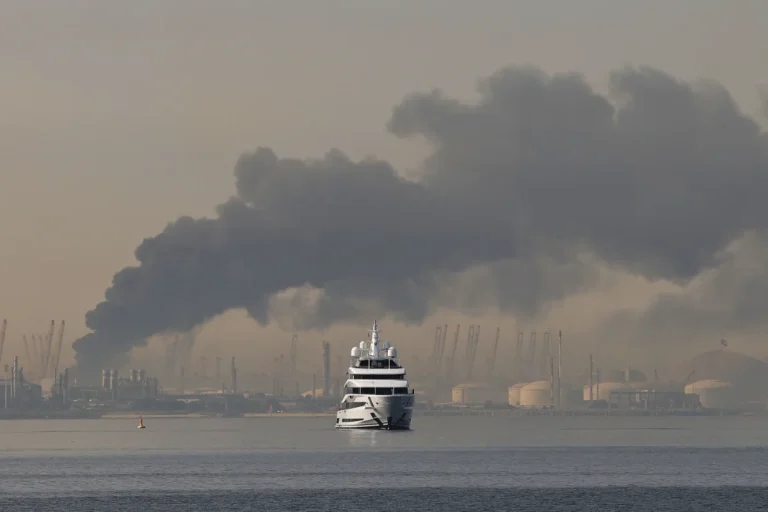

THERE are several pressing environmental challenges facing the world today, with climate change and global warming topping the list.
Driven largely by greenhouse gas emissions, climate change is causing rising temperatures, increasing sea levels and more frequent extreme weather events. Despite the overwhelming evidence, there are despots.
The rapid destruction of biodiversity, degradation of ecosystems and extinction of species threaten the planet’s ecological balance.
Reports indicate that 99% of the global population breathes polluted air while industrial and domestic waste continues to contaminate rivers, streams and other water sources. Malaysia is not immune to these environmental challenges and faces many of the same concerns.
At the same time, large tracts of forests are cleared for agriculture and development, reducing the Earth’s capacity to absorb carbon dioxide and destroying vital wildlife habitats.
Deforestation in the Amazon, where lands are cleared for soybean cultivation and cattle ranching, has attracted world attention. In addition, billions of people still lack access to safe drinking water, exacerbated by pollution and climate-related droughts.
Overconsumption and rapid population growth are exhausting essential resources. Other pressing issues include ocean acidification, overfishing and plastic pollution. The excessive generation of waste, particularly hazardous materials and plastics, continues to degrade ecosystems and threaten public health.
Although the ozone layer is gradually recovering, its depletion over the Arctic region still allows harmful ultraviolet radiation to reach the Earth’s surface, posing risks to both human health and the environment.
Every year on June 5, the world observes World Environment Day, a time to reflect on our responsibility towards the planet.
It is an opportunity to ask ourselves whether we have done enough to repay our environmental debt or whether we continue to add to it through unsustainable practices.
In Malaysia, however, the reality is far less comforting. Every day seems like e-waste day as the nation grapples with a growing influx of discarded electronic products. Despite ongoing enforcement efforts by the Department of Environment (DOE) and local authorities, Malaysia continues to face challenges related to the illegal importation and management of e-waste.
Officially, Malaysia imports what are classified as “recoverable materials”. In practice, however, concerns remain that some imported shipments contain electronic waste that ultimately ends up being processed or disposed of locally.
In certain developed economies, exported e-waste may be counted towards recycling targets, creating incentives for waste to be shipped abroad rather than managed domestically.
The environmental and health implications can be significant. Improper handling of e-waste may result in heavy metals and toxic substances leaching into soil and water sources.
In some cases, informal recycling activities, such as the burning of circuit boards to recover valuable metals, can expose workers and nearby communities to harmful pollutants, particularly in areas surrounding unlicensed processing facilities.
The challenge is not merely one of enforcement but also of system design. Current efforts, while important, are often overwhelmed by the sheer scale and complexity of the e-waste problem. As the world becomes increasingly digital, global e-waste generation is projected to reach 75 million metric tonnes annually by 2030.
Malaysia cannot rely on enforcement measures alone to address this growing challenge. A more sustainable solution requires action before e-waste reaches our shores.
In line with the principles of a circular economy, responsibility must be shared across the entire value chain, particularly by manufacturers, exporters and consumers, to reduce waste generation and promote product reuse, repair and recycling.
Products entering Malaysia – whether imported or locally assembled – should be designed for repairability, modularity and recyclability. Features such as replaceable batteries and accessible components can extend product lifespans and reduce e-waste.
Malaysia should also invest more in R&D to phase out hazardous materials such as brominated flame retardants, beryllium and cadmium. Stronger support for universities and industry can accelerate the development of safer and more sustainable alternatives.
We must also stop viewing e-waste solely as waste and recognise it as a resource. Informal recyclers should be brought into the formal economy through licensing, training and access to safer recovery technologies.
At the same time, illegal e-waste imports must be curbed. Customs and the DOE should strengthen monitoring through real-time tracking, enhanced port screening and a transparent registry of licensed processors. Penalties for offenders must be severe enough to deter repeat violations, including licence revocation, asset seizure and legal action against those responsible.
Finally, Malaysia cannot tackle the e-waste challenge alone. It should work with Asean partners to strengthen regional cooperation, harmonise standards, curb illegal waste shipments and develop shared recycling capacity.
Circularity is more than a green slogan; it is a practical strategy for reducing waste, conserving resources and lowering emissions. As Malaysia moves towards a more comprehensive circular economy framework, it must redesign both its products and policies to meet the challenges of a rapidly digitalising world.
Otherwise, World Environment Day risks becoming little more than an annual reminder of problems left unresolved. The time to act is now, before the next wave of e-waste becomes even harder to manage.
Prof Datuk Dr Ahmad Ibrahim is affiliated with the Tan Sri Omar Centre for STI Policy Studies at UCSI University and is an adjunct professor at the Ungku Aziz Centre for Development Studies, Universiti Malaya. Comments: letters@thesundaily.com