Table of Contents
Case for shooting using old-school film cameras
IN a world where our phones can take, edit and post photos in seconds, film cameras feel almost rebellious. They slow everything down. They do not fix your mistakes. They make you work for the shot.
If you truly want a picture to feel trapped in time, look no further than film.
No shortcuts
With a manual film camera, there is no autofocus snapping into place. No automatic exposure quietly balancing the light. No instant preview to check if you got it right.
You control everything. Shutter speed. Aperture. Focus.
If you get it wrong, you will not know until days later when the film is developed. That uncertainty makes every photo feel important.
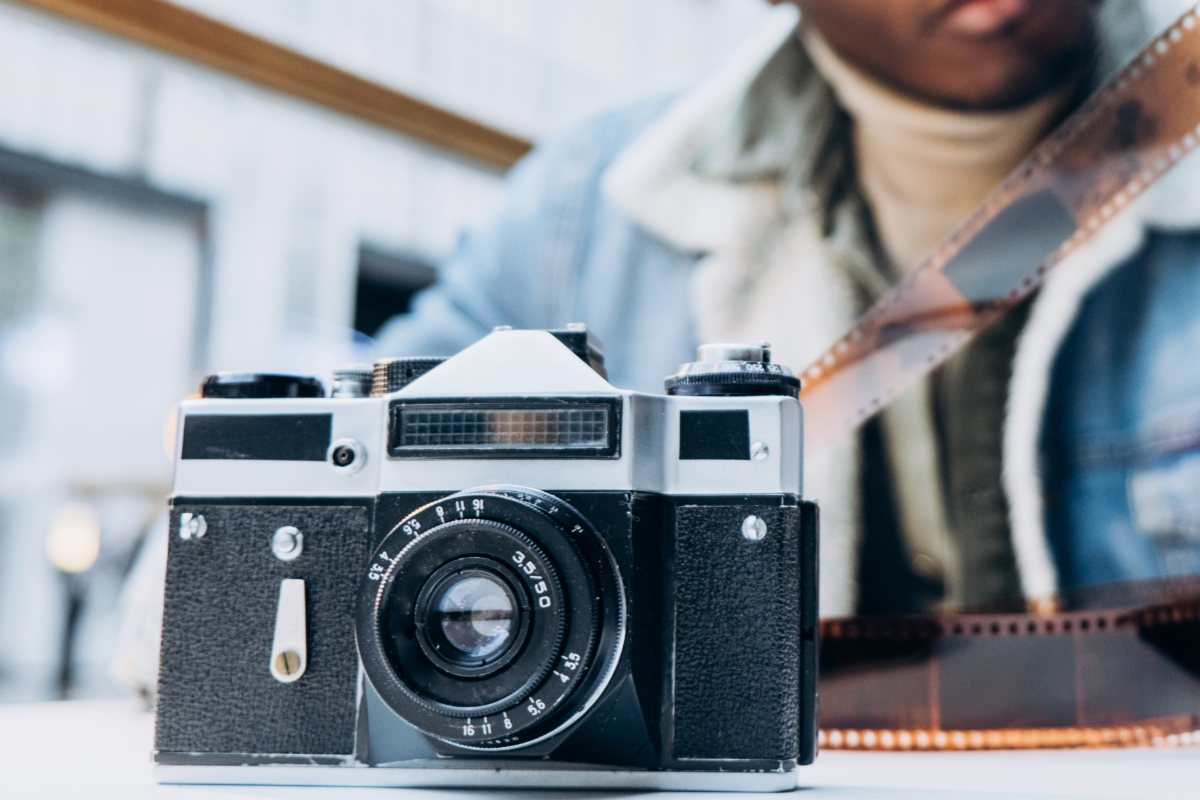
You cannot just take 20 versions of the same shot and choose later. A roll usually gives you 24 or 36 frames. That is it. Once it is finished, it is finished.
That limit forces you to slow down. You look at the light more carefully. You think about what is inside your frame. You wait for the right moment.
With a phone, it is easy to snap away without thinking. Film cameras makes you think first.
It costs money
Film is not cheap. A single roll can cost around RM50, sometimes more. Then you still have to pay for development and scanning.
Because every shot costs money, you do not waste them. Each press of the shutter feels more serious. There is a sense of commitment.
Film can also expire. Colours can shift. Contrast can change. Sometimes that unpredictability becomes part of the look. Sometimes it ruins a shot. That risk is part of the experience.
From start to finish
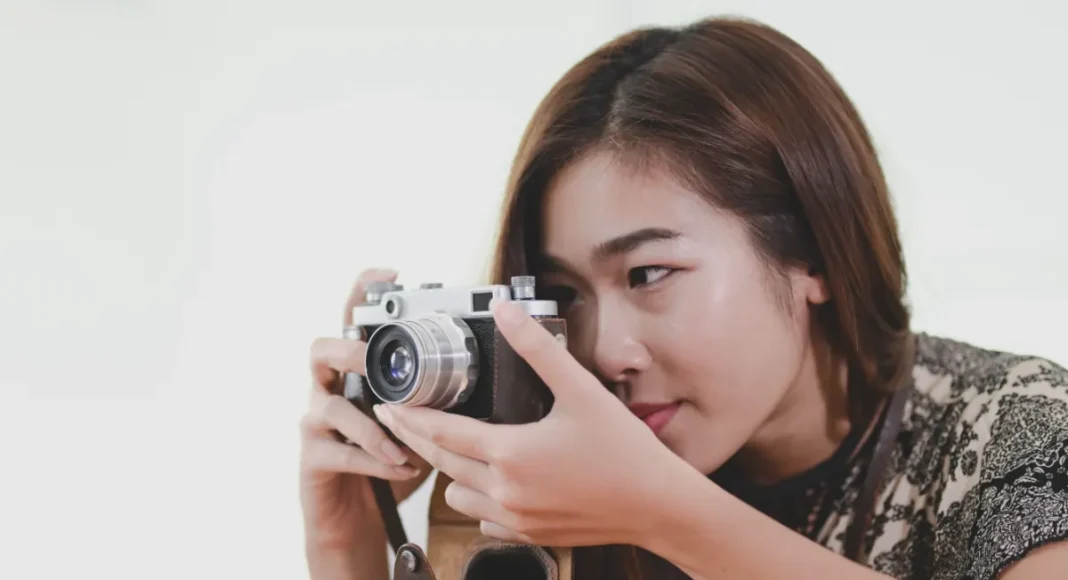
One of the biggest reasons film cameras feels special is how hands-on it is.
You load the film yourself. You wind the lever after every shot. You hear and feel the mechanical click of the shutter. Many older cameras are made of metal and feel solid in your hands. They are not just tools. They are beautifully designed machines.
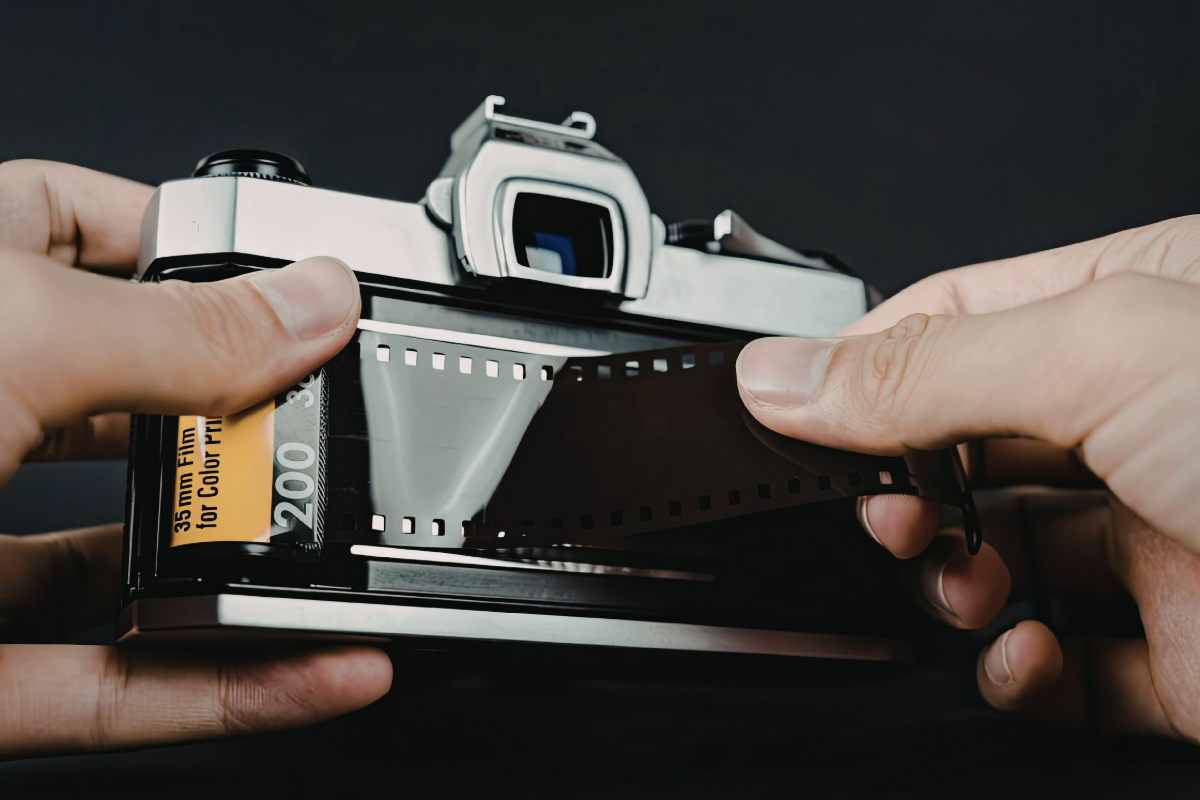
Developing film is another story. It takes time, chemicals and preparation. You need a dark space to load the film into a developing tank. Then you carefully process the negatives before hanging them to dry. After that, you scan them if you want a digital copy.
It is a long process. But being involved from start to finish gives the final image more meaning.
When you shoot photos on your phone, the device handles a lot automatically. It adjusts colours, sharpness and lighting. The results usually look good. But sometimes, it feels like the phone did half the work.
With film, every decision is yours. Even the mistakes are yours.
Why the photos feel different
Film photos often have grain, softer colours and small imperfections. They can feel nostalgic even when they are brand new.
More importantly, there is a delay between taking the photo and seeing it. By the time you hold the negative or open the scanned image, the moment has already passed. You are looking at a memory, not something that just happened seconds ago.
That delay gives the photo emotional weight.
So, are they still charming?
Yes, but not because they are better than digital.
Film is slower. It is more expensive. It is less convenient. It can be frustrating.
But the limits are what make it powerful. When you only have 36 shots, you choose carefully. When each click costs money, you pay attention. When you control the process from loading the roll to editing the scan, the result feels personal.
You might not get perfect photos every time. It is all part of the learning process.
But when a frame turns out exactly how you imagined, knowing you handled every step yourself, the satisfaction is hard to explain.
Those are your photos. And in a time where everything is instant and disposable, that kind of ownership still feels special.
READ MORE:
Cassettes in 2026: Rewinding to another era of music
Kodak Charmera review: charm over function