Table of Contents
From nasi goreng to omurice, fried rice reflects the tastes and habits of each country.
FRIED rice sits at the intersection of practicality and identity across Asia. What began as a method of repurposing leftover rice has evolved into a wide spectrum of regional dishes, each shaped by local ingredients, trade and taste.
Its origins trace back to China’s Sui dynasty, where stir-frying day-old rice created a quick, economical meal that could be adapted endlessly. From that base, fried rice spread across the region, absorbing distinct flavours and techniques along the way.
From leftovers to staple
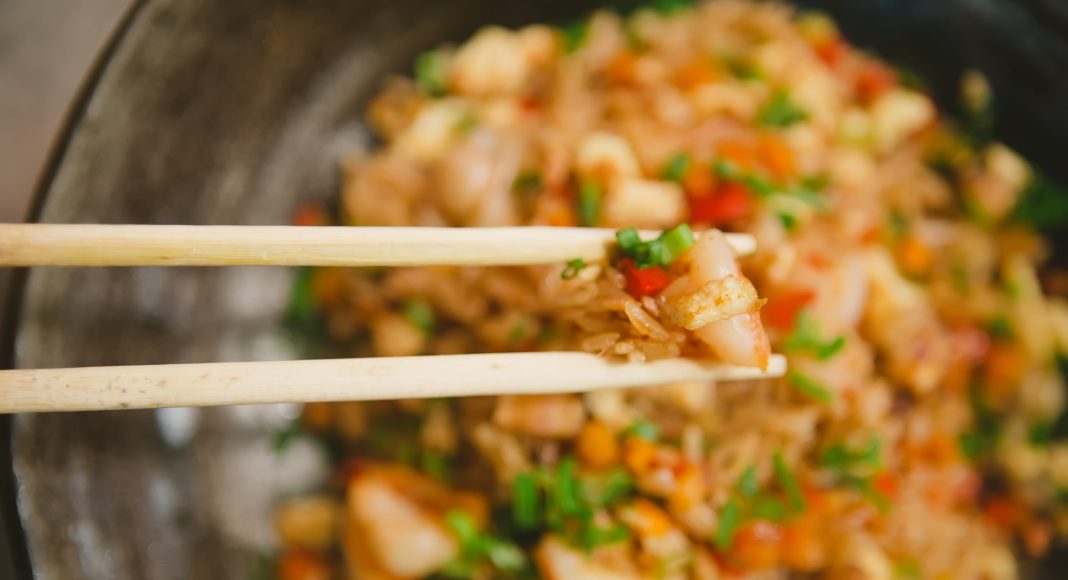
At its core, fried rice is defined by process rather than strict ingredients. Cooked rice is stir-fried in a wok with aromatics such as garlic, onions and ginger, then combined with eggs, vegetables or proteins. The reliance on leftover rice is key, as slightly dried grains hold their structure better under heat, creating the separated texture associated with a well-made dish.
This adaptability explains its widespread presence. Across East, Southeast and South Asia, fried rice appears as a main dish and a supporting component in larger meals. It is equally at home in street food stalls, family kitchens and restaurant menus, reflecting its accessibility and flexibility.
Southeast Asia’s bold flavours
In Southeast Asia, fried rice takes on stronger, more layered seasoning. Nasi goreng, common in Malaysia and Indonesia, is one of the most recognisable forms. It stands out for its use of kicap manis, a thick sweet soy sauce, combined with shrimp paste and sambal, creating a darker, more intense flavour profile.
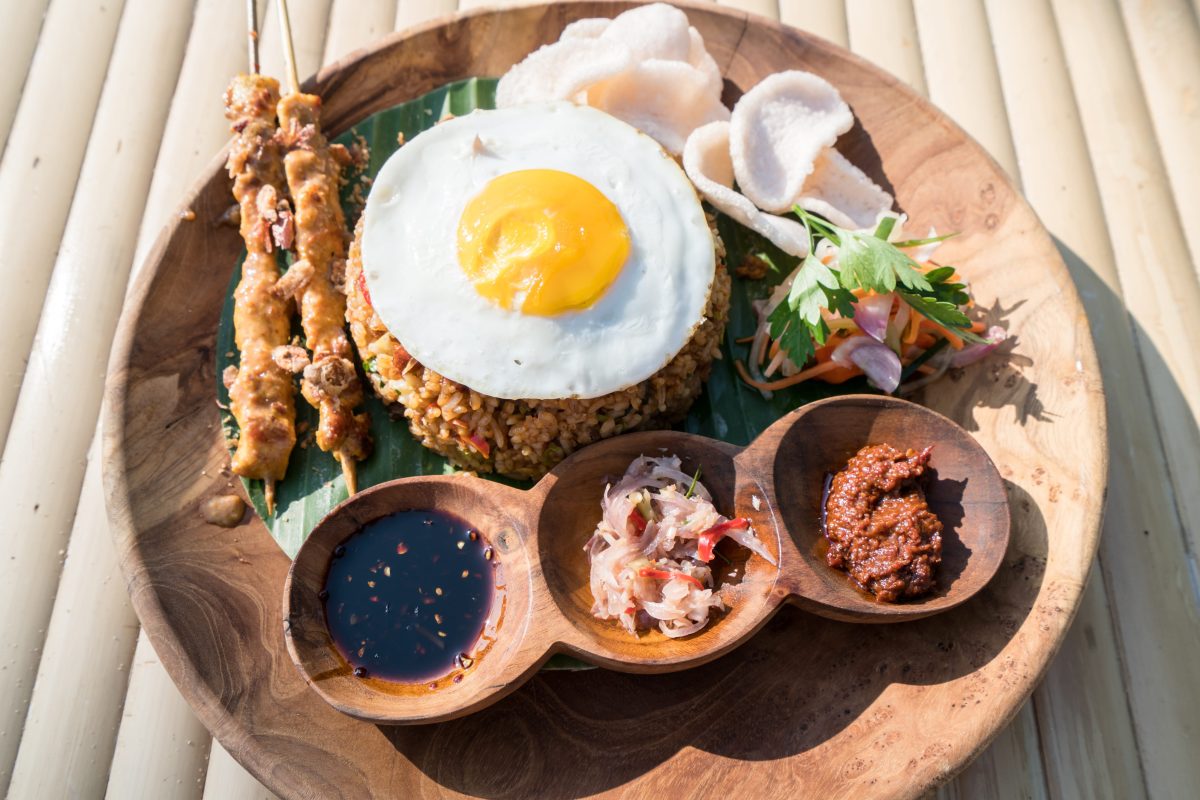
The dish often arrives with a fried egg, pickles or crackers, turning a simple base into a complete meal. Regional variations build on this foundation, incorporating salted fish, lamb or even wrapping the rice in an omelette, as seen in nasi goreng pattaya.
Thailand offers a different approach with khao phat, which uses jasmine rice and lighter seasoning such as fish sauce, lime and fresh herbs. The result is cleaner in flavour, with acidity and fragrance balancing the richness of the fried elements. Pineapple fried rice, or kao pad sapparot, introduces sweetness directly into the dish, often paired with shrimp and served in a hollowed fruit shell.
In the Philippines, sinangag reduces fried rice to its essentials. Garlic is the primary flavour, with minimal additions, allowing it to function as a base for cured meats and eggs in breakfast meals.
East Asia’s structured variations
East Asian fried rice tends to follow more defined styles. In China, variations such as Yangzhou fried rice combine shrimp, egg and barbecued pork, creating a balanced mix of textures and flavours. Fujian-style fried rice adds a separate savoury sauce poured over the rice, turning it into a two-part dish with added depth.
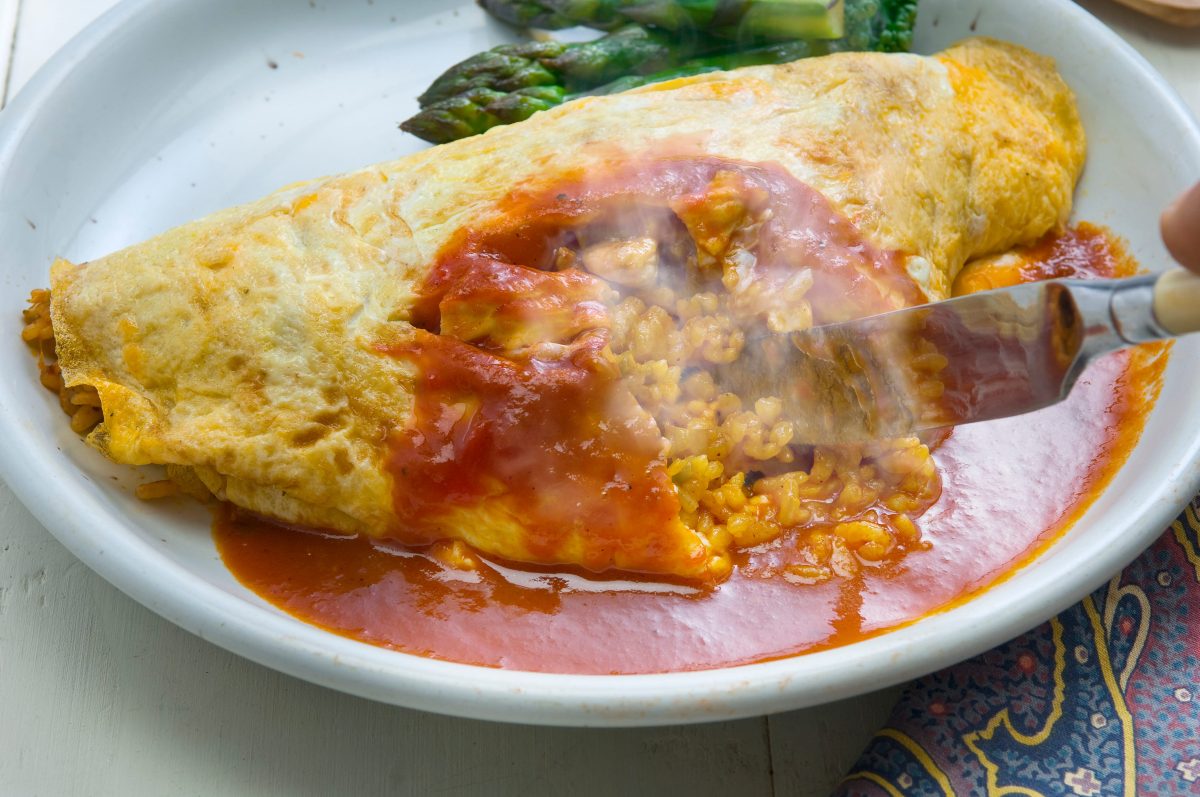
Japan’s chahan reflects Chinese influence but adapts to local taste, often incorporating ingredients such as katsuobushi and lighter seasoning. A more distinctive variation is omurice, where fried rice is wrapped in an omelette and finished with tomato-based sauce.
Korea’s kimchi bokkeumbap leans heavily on fermentation. The use of aged kimchi and gochujang gives the dish a sharp, spicy profile, often topped with a fried egg and seaweed.
South Asia and lesser-known regional takes
Further west, fried rice adapts again. In India, regional versions incorporate spices such as cumin, turmeric and curry leaves, reflecting broader culinary traditions. In Cambodia, bai cha features local sausages and a milder seasoning profile, while Vietnamese com chien often includes fish sauce and Chinese-style meats.
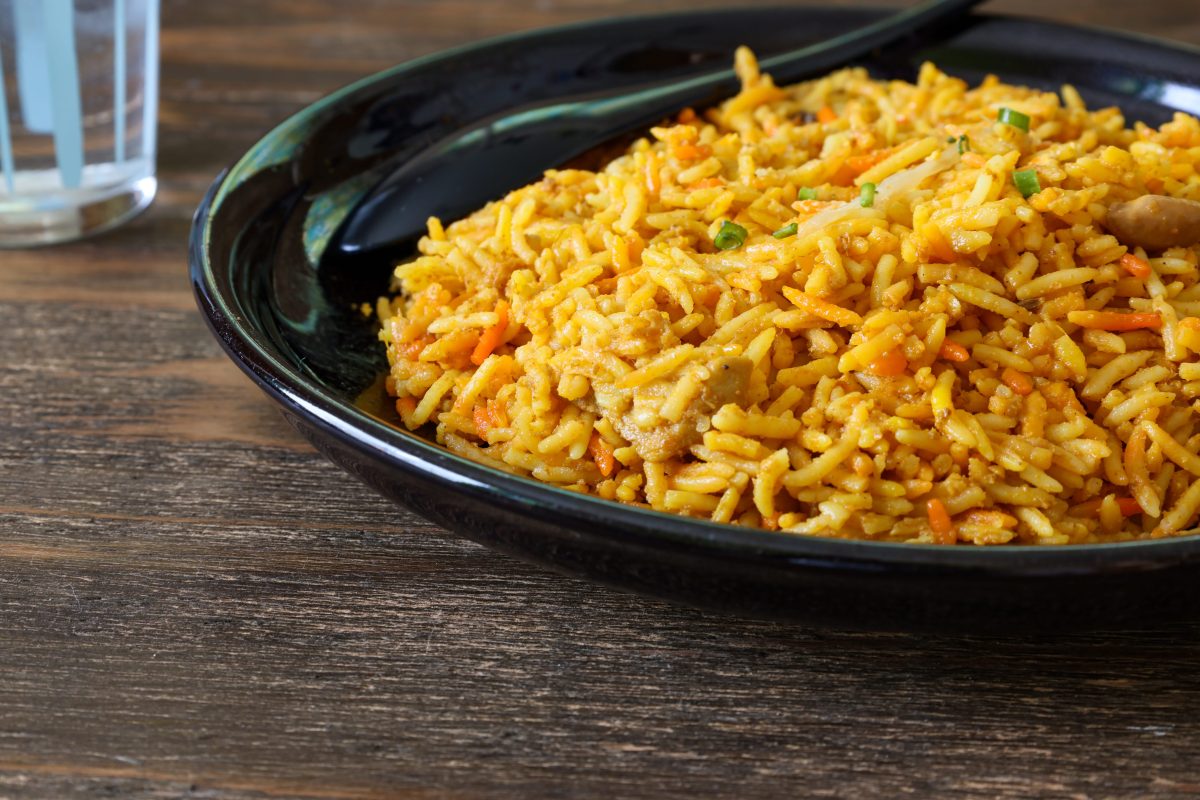
These variations show how fried rice acts as a framework rather than a fixed recipe. Each region builds on the same technique but shifts the balance of flavour, texture and accompaniment.
Dish defined by adaptation
Fried rice remains one of Asia’s most widely shared dishes because it does not demand strict adherence. It responds to what is available, whether that means leftover rice, preserved meats or fresh herbs. This openness has allowed it to move across borders and settle into different culinary traditions without losing its identity.
Across the region, the differences are clear in seasoning and presentation, but the method holds. A hot wok, prepared rice and a quick toss of ingredients continue to define the dish.
READ MORE:
Ayam gepuk, geprek or penyet? A delicious breakdown
What AI recipes are cooking up according to research
Coffee guide for beginners: Types of coffee drinks explained