Ghana’s parliament approves an anti-LGBTQ bill, drawing praise from conservatives but sparking outrage among rights advocates as the president considers signing it into law.
ACCRA: The Ghanaian parliament’s approval this week of a sweeping ‘anti-LGBTQ’ bill has drawn praise from some religious and conservative groups but sparked outrage among rights advocates.
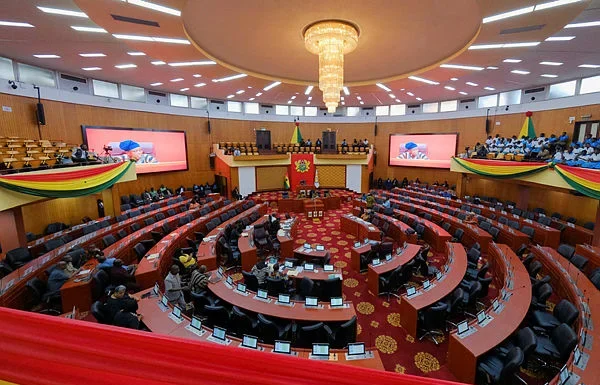
MPs approved the Human Sexual Rights and Family Values Bill 2025 on Friday and it is now being submitted for signing by President John Dramani Mahama.
Opponents say it could significantly reshape Ghana’s human rights landscape.
The draconian law revives a version that parliament passed in 2024 but which lapsed because it failed to obtain a presidential signature before the parliamentary term ended.
“A disgrace of a parliament,” Naana Agyemang Preprah, a student at the University of Ghana, told AFP.
“I hate this country so much,” the 26-year-old added.
The law imposes a penalty of up to three years’ jail for people who engage in homosexual relations, and between three and five years for the promotion sponsorship or intentional support of LGBTQ activities.
Religious and conservative voices quickly welcomed the development.
“This is a very good. Well done parliament,” said Reverend Joseph Nii Obodai.
“I know President Mahama will do the right thing and assent to this bill soon,” he told AFP.
But rights advocates warned that the law could have far-reaching consequences beyond its intended targets.
Human rights lawyer Gloria Boadu said the legislation threatened core democratic freedoms.
“The anti-LGBTQ bill does not just target queer people. It targets anyone who believes in human rights,” she said.
“That is not democracy. That is censorship. A country that criminalises advocacy weakens its own democracy.”
Constitutional questions
The bill includes exemptions for journalists, lawyers and medical professionals acting in the course of their duties.
But journalist Caleb Ahinakwah said these provisions did not address wider risks.
The law could expose vulnerable groups to harm, and create ethical dilemmas and uncertainty for reporters, he said.
“While the exemptions may protect certain professional functions, they do little to address the broader concern that the bill could embolden members of the public to target, harass or attack people perceived to be queer,” he explained.
“An important question remains — what protections exist for journalists who themselves identify as queer?”
Parliament’s approval of the bill has reignited debate in the deeply conservative west African country over LGBTQ rights, religion and constitutional freedoms.
Same-sex relations are already socially stigmatised and legally restricted under provision dating back to the British colonial era.
Mahama is expected to decide in the coming days whether to sign the legislation into law.
Some Ghanaians say it raises complex constitutional questions.
“There is a provision in Ghana’s 1992 constitution which is the right to freedom of expression, privacy and many more,” Prinscella Vera Aido, 24, told AFP.
“But activists may be harassed when the bill is passed.”