Table of Contents
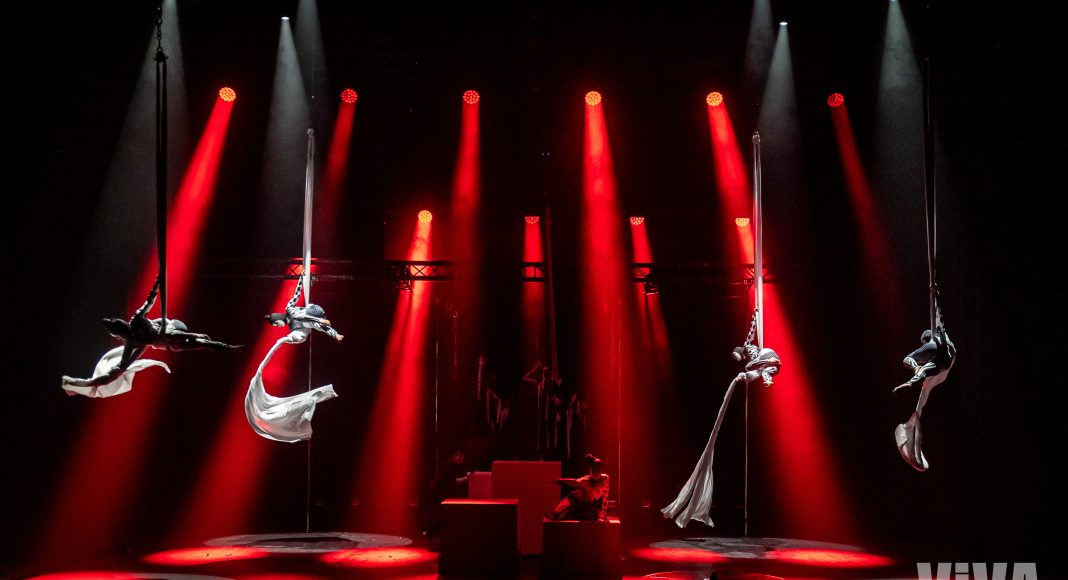
Suspended mid-air with nothing but silks, hoops or harnesses holding them up, aerial performers often make gravity-defying movements look effortless.
To audiences, the performances can appear graceful, theatrical and almost dreamlike, but behind every polished routine lies years of bruises, physical conditioning and relentless discipline.
In Malaysia, aerial arts and pole performance continue to occupy a niche space despite slowly building a passionate and growing community.
From aerial silks and pole choreography to bungee-based movement classes, the industry exists somewhere between sport and art, requiring both athletic precision and creative expression.
For many performers, however, the biggest challenge is not the physical training itself, but convincing people to take the discipline seriously.
Founded in 2006, Viva Vertical has spent nearly two decades trying to change that perception. As Malaysia’s first dedicated circus school and home to the Viva Circus troupe, the studio has built a reputation for nurturing local talent while promoting aerial arts through performances, competitions and training programmes.
Now, through initiatives such as Viva Circus Festival 2026 and the original production Alice Lost in Wonderland, the studio hopes to strengthen Malaysia’s aerial arts ecosystem while giving local performers a larger platform to grow.
Hidden cost behind performance
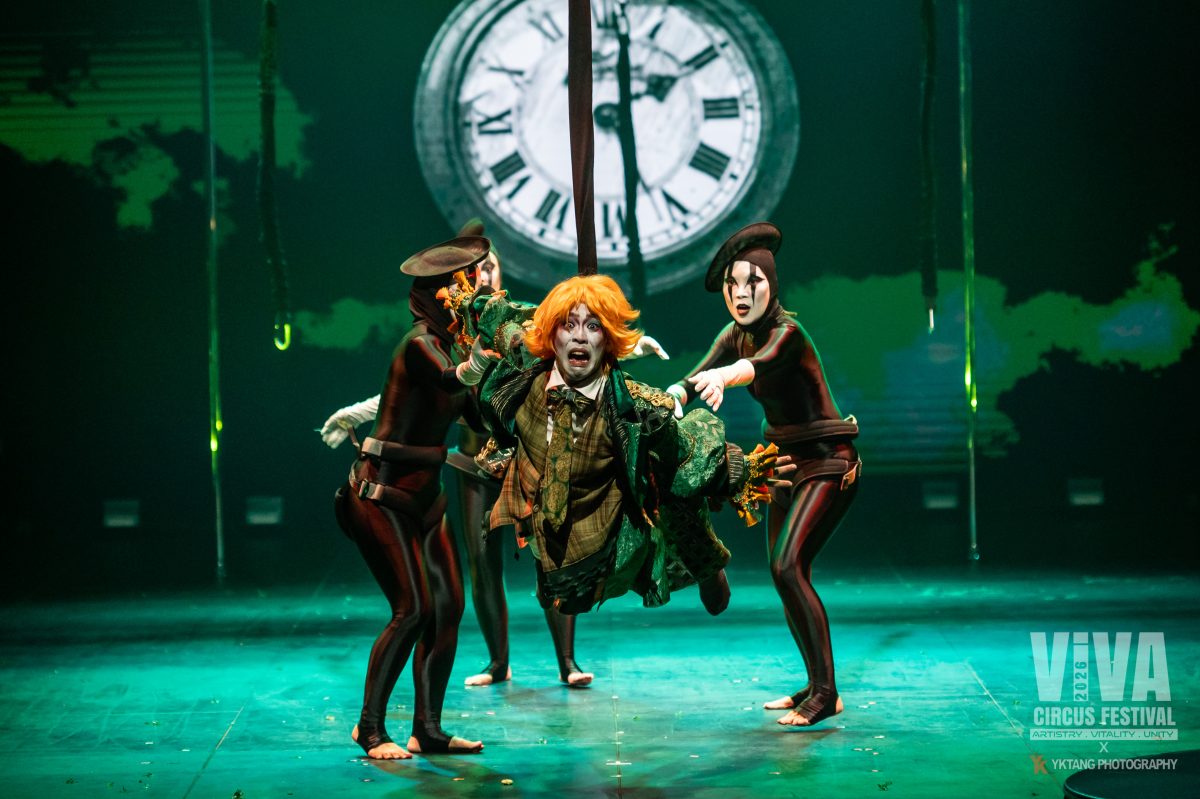
While aerial performances may only last a few minutes on stage, the preparation behind them often stretches across months of rehearsals, conditioning and production work.
“From the outside, it might look like just a short performance, but behind that, there’s a lot that people don’t see. A performer could train for months for just a few minutes on stage. Then you add things like rigging, lighting, costumes and production, and it builds up quite a bit,” performer and show director Noah Yap told theSun.
Unlike conventional fitness spaces, aerial studios require specialised equipment, professional rigging systems and carefully monitored safety measures. These operational costs inevitably affect how accessible the discipline becomes for students and performers.
According to marketing director and master trainer of BungeeWorkout Malaysia Yiki Chan, aerial and pole classes in Malaysia are generally positioned at a mid-range price point due to the high cost of maintaining equipment and studio facilities.
“Among the different apparatus, bungee is actually the most expensive to set up, yet it is often priced the lowest because it is perceived more as a workout-based class,” she explained.
The challenge with bungee classes is that each setup can only accommodate a limited number of participants at one time, which restricts class sizes and increases operational complexity. As students advance further into the discipline, the financial commitment also becomes significantly larger.
“Some of our advanced students spend approximately RM1,000 to RM1,500 per month. These are people who actively explore aerial, pole and flexibility training classes to continuously refine their skills,” Chan said.
For outsiders, spending that amount on what is often viewed as a niche hobby may seem excessive, but for practitioners, the value extends beyond physical training alone.
“It might look like they are paying to suffer because they leave classes with bruises. But for them, it is about challenging themselves, pushing their limits and finding personal growth through the process,” she added.
Choosing passion over comfort
Like many creative industries, aerial arts often demand sacrifices that extend far beyond financial investment. Long training hours, irregular schedules and physical exhaustion become part of daily life for performers committed to improving their craft.
“The biggest sacrifice is really time and the kind of lifestyle you choose to commit to. A lot of training happens during evenings or weekends, so while others might be resting or socialising, we are usually in the studio,“ Chan said.
For Yap, the sacrifices are tied more closely to uncertainty. Working on productions often means dedicating large amounts of time, energy and resources without knowing whether audiences will ultimately connect with the final result.
“When you’re working on a production, there’s a lot of uncertainty. You do not always know how things will come together or how they will be received, but what keeps you going is the belief in what you are building,” he said.
That uncertainty becomes especially difficult in an industry that still struggles for mainstream recognition and funding. Many performers have had to turn down competitions, training opportunities or creative ideas because of financial limitations.
“Financial constraints are always part of the conversation. There are definitely ideas or concepts that we would love to explore, but we have to adjust based on what is realistic at that point in time,” Yap admitted.
Yet rather than discouraging performers, those limitations often force them to become more resourceful and creative with what they have.
Sport, art or both?
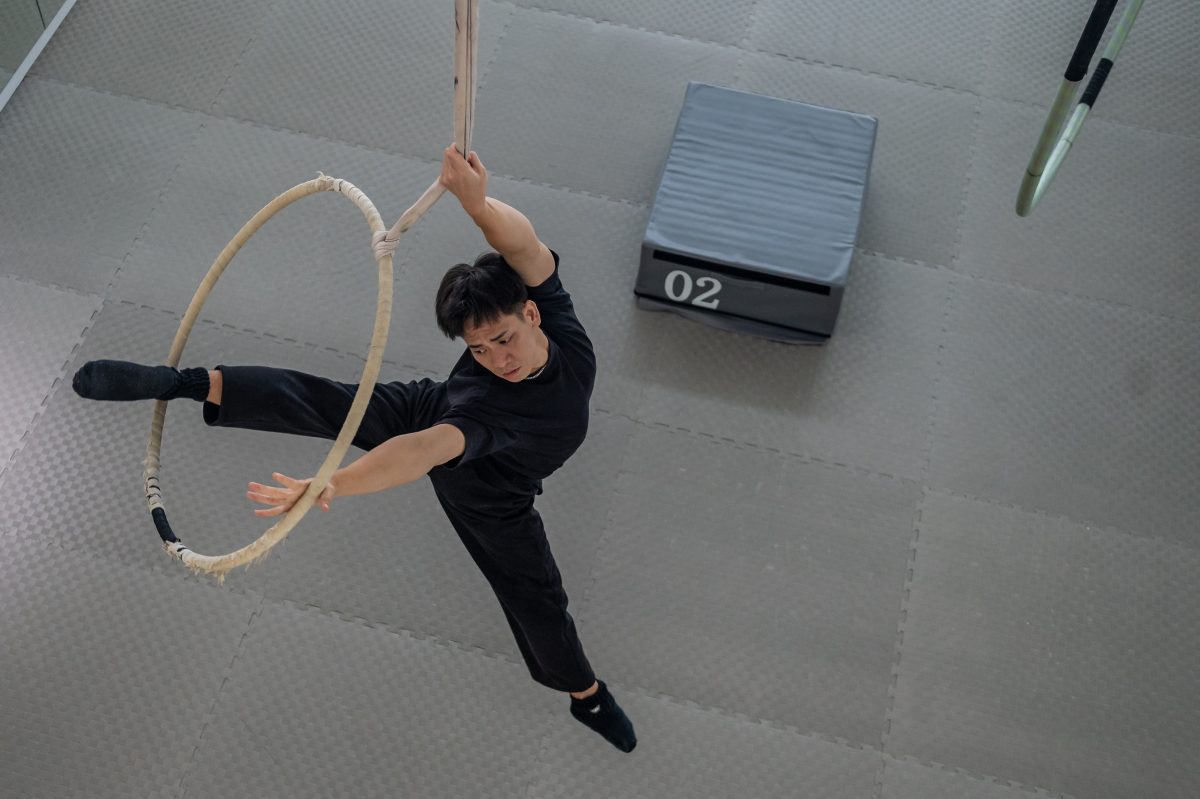
One of the biggest challenges surrounding aerial arts is the difficulty in categorising it.
The discipline demands physical endurance, strength and technical precision similar to competitive sports, yet the final performance is rooted in storytelling, creativity and emotional expression.
“To me, it is naturally both, and that is what makes aerial arts so unique. The training is highly physical, but when you step onto the stage, it becomes about expression, storytelling and emotion,” Chan said.
This overlap, however, often leaves the industry in an awkward middle ground. Because aerial arts do not fit neatly into traditional categories, performers sometimes struggle to access institutional support from either the sports or performing arts sectors.
“The challenge is that because it exists between these two worlds, it does not always fit neatly into traditional categories. This affects recognition, funding and the types of opportunities available to practitioners,” Chan explained.
For Yap, the artistic aspect remains central to what makes aerial performance meaningful.
“When we create a show, we are not just thinking about technique. We are thinking about what kind of story we want to tell and what emotions we want the audience to feel. Movement becomes a language,” he said.
That creative identity is especially visible in Alice Lost in Wonderland, Viva Circus Festival’s original production that blends aerial choreography with theatrical storytelling.
“Alice Lost in Wonderland is a celebration of imagination and transformation. It reflects what Viva stands for by using performance to nurture growth, creativity and confidence,” Yap said.
Building a future for aerial arts
Despite the challenges, Viva Vertical continues pushing towards greater recognition for the industry. One of its current initiatives involves applying to establish a national-level aerial sports association, which would help create clearer standards, progression pathways and safety guidelines for practitioners.
For Chan, formal recognition could fundamentally reshape how people view aerial arts in Malaysia.
“It would make a huge difference, especially in giving people a clearer sense of direction. Right now, many people discover aerial arts organically through friends or social media, but formal recognition would create a more structured pathway for growth,” she said.
She also hopes recognition will encourage more Malaysians to try aerial disciplines without feeling intimidated by the stereotypes often attached to them.
“Pole may appear stylised or intimidating, but it involves a high level of strength training, coordination and body awareness. Aerial arts challenge you to overcome fear, trust your body and push beyond your comfort zone,” she explained.
Over time, those experiences often translate into something larger than physical skill.
“You begin to discover new strengths, not just physically but mentally as well. It can even change the way you approach challenges in everyday life,” she said.
Reaching beyond the niche
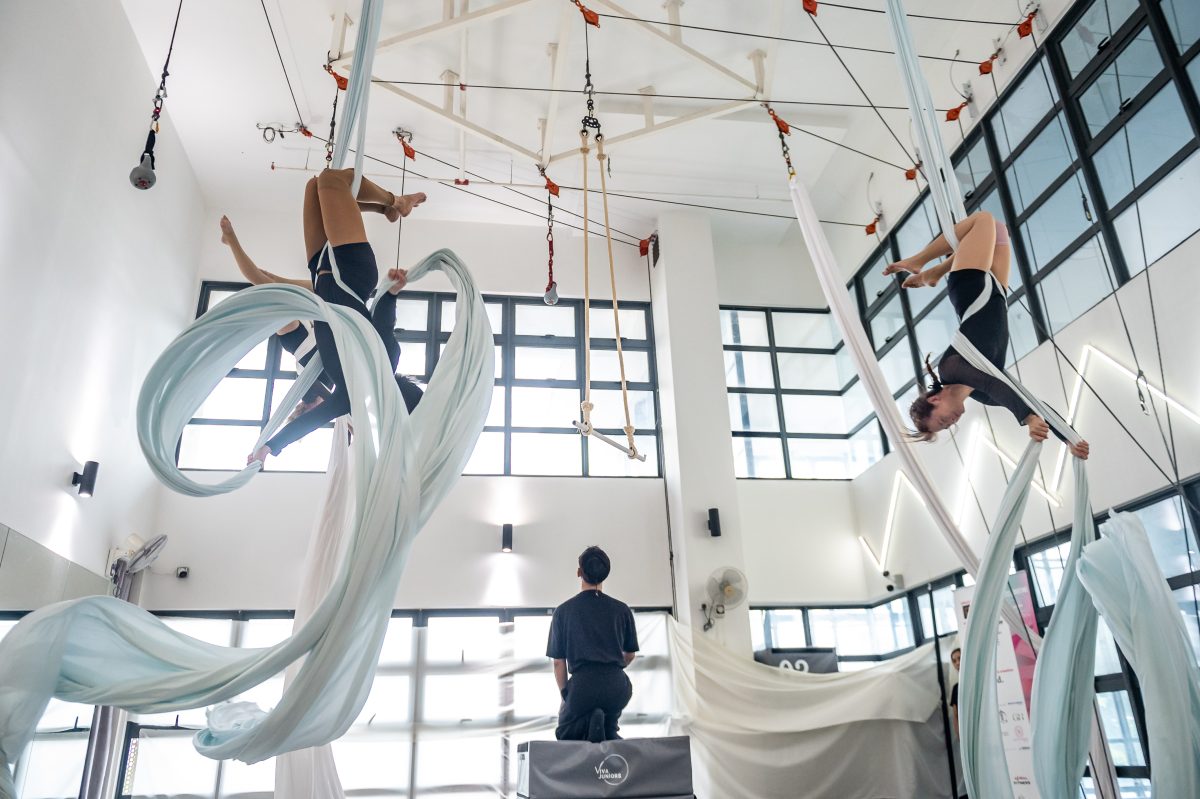
As Malaysia’s aerial arts scene continues growing, performers and studios alike are hoping the industry can move beyond its niche reputation and gain broader cultural recognition.
For Yap, the long-term goal is not simply about staging performances, but about building a sustainable creative identity capable of representing Malaysia internationally.
“Our goal is not just to perform, but to create original work that can eventually represent Malaysia on a bigger stage,” he said.
That ambition reflects a wider shift happening within the local aerial arts community, where performers are no longer content with being seen as novelty acts or fitness influencers.
Instead, they are pushing for recognition as athletes, storytellers and artists whose work deserves the same respect afforded to more conventional disciplines.
And while the journey remains uncertain, the determination within the community suggests that aerial arts in Malaysia are no longer simply trying to survive. They are actively trying to evolve.
READ MORE:
From rescue to forever: 4Paws Penang’s next big mission to build permanent sanctuary