Table of Contents
Dragon boating is an intimidating sport reserved for elite athletes and tightly organised competitive teams. Images of synchronised paddlers powering across the water at high speed can make the discipline seem inaccessible to anyone without prior experience.
For Rogue Malaya, however, that perception is exactly what they have been trying to change.
Founded in 2019, the Malaysian dragon boat team was built around a simple idea – making dragon boating easier for ordinary people to try. What started as a conversation among seven paddlers from different teams has since evolved into a growing community that welcomes complete beginners, social paddlers and aspiring competitors alike.
Team coach Primo Peris said the founders noticed many people were curious about dragon boating but often found themselves locked out by rigid seasonal programmes or competitive structures.
“We wanted to create a public, social dragon boat team where people could simply come and try the sport without feeling intimidated by traditional barriers to entry because we found there was a gap in the market,” he told theSun.
At the time, opportunities for newcomers were relatively limited. Many teams only recruited at certain periods of the year, while others focused primarily on competitive development.
For people who simply wanted to experience the sport before making a commitment, there were few pathways available.
Rogue Malaya sought to bridge that gap by adopting a more flexible approach.
From shore to boat
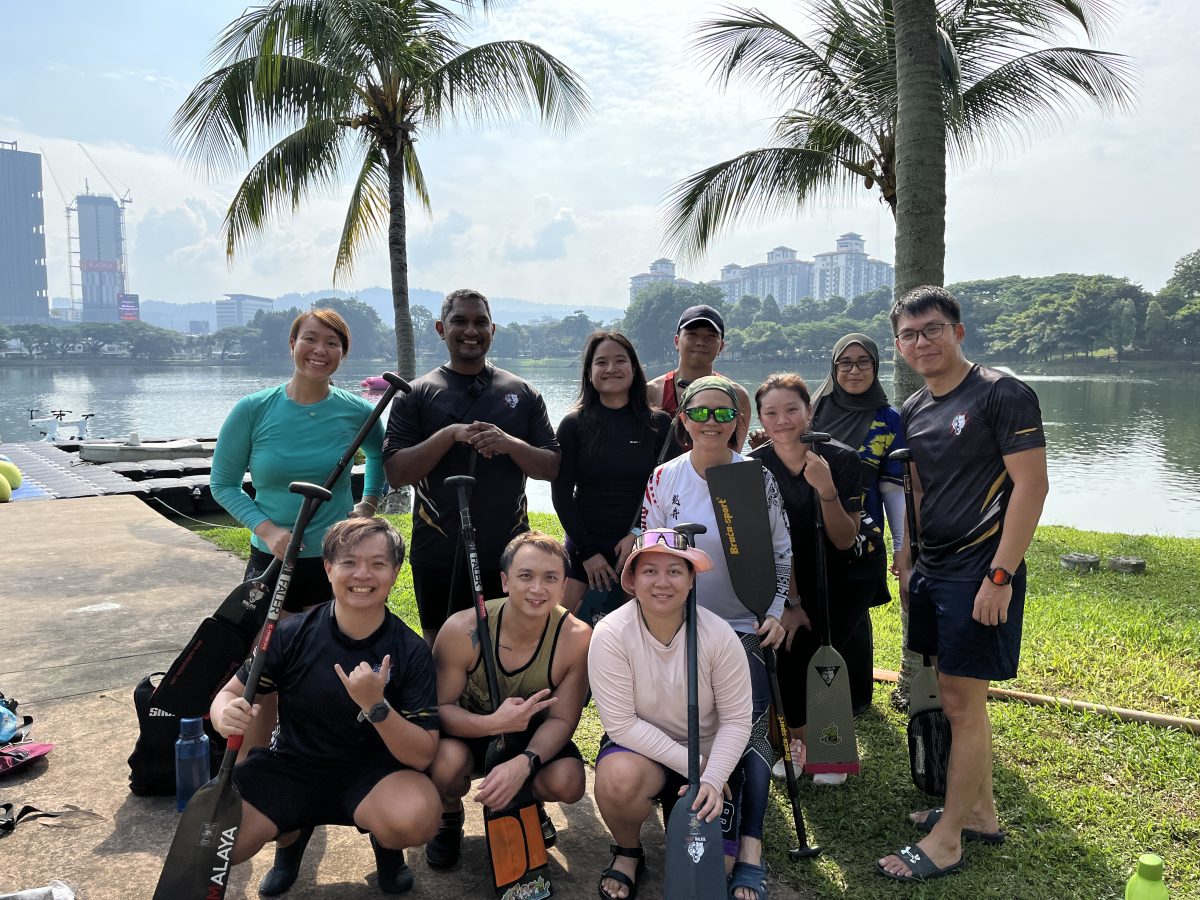
One of the team’s most popular initiatives is its Dragon Boat 101 programme, which is specifically designed for first-timers.
Rather than spending hours learning theory or watching demonstrations from the sidelines, participants are encouraged to get into the boat and experience paddling for themselves.
“When you join for the first time, we expect that by the end of the session, you will already be paddling so people can immediately decide whether this is something they want to pursue further,” the coach said.
The hands-on approach reflects the team’s belief that the best way to understand dragon boating is to experience it firsthand.
Over the years, the programme has attracted participants from all walks of life. Some arrive looking for a new fitness challenge, while others are drawn by curiosity after encountering videos of the sport online. There are also those who discover the team by chance while walking around the lakes where training takes place.
Not everyone becomes a long-term paddler, but Rogue Malaya views exposure to the sport as a success in itself.
“A lot of people come because they saw something interesting on Instagram, but we’re happy as long as they get the chance to experience what dragon boating is all about,” he said.
The team’s openness has helped build a reputation as one of the more approachable entry points into the local dragon boating scene, particularly for younger Malaysians looking for alternatives to conventional gym routines.
Workout that surprises newcomers
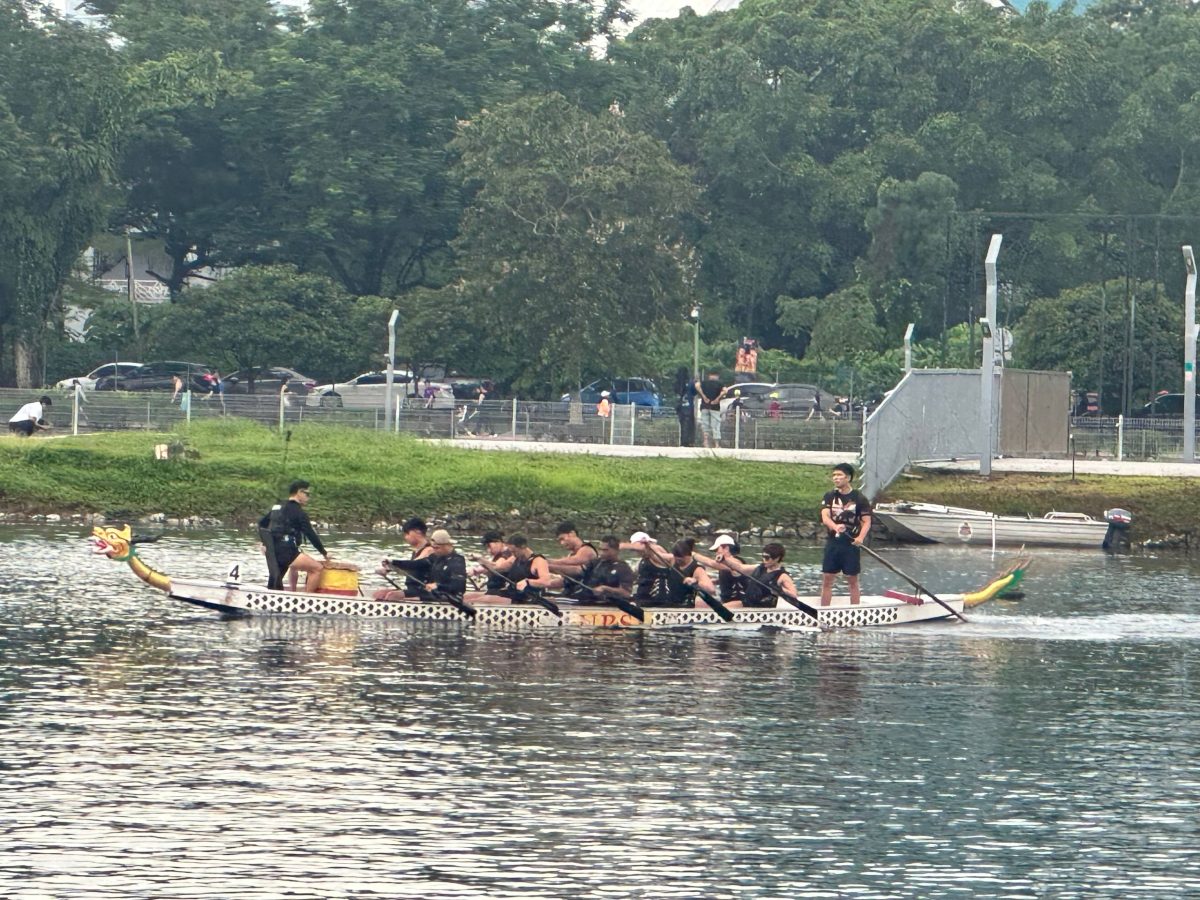
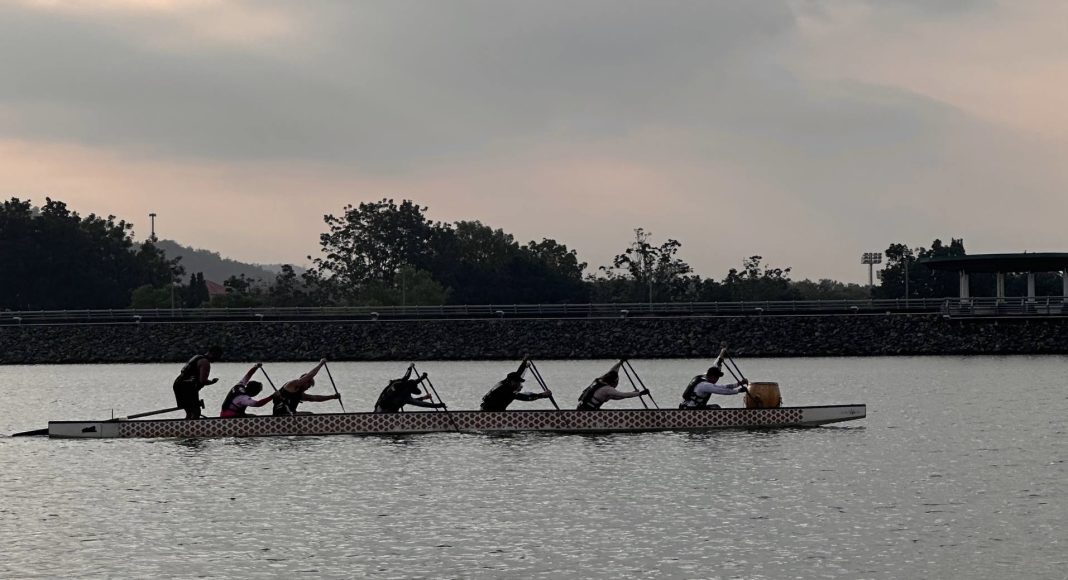
Titiwangsa, when teamwork matters as much as strength. – HANDOUT PIC
While Rogue Malaya makes the sport look welcoming, the physical demands of dragon boating remain significant.
Training takes place every weekend, with paddlers spending Saturdays and Sundays on the water. Additional strength and conditioning sessions are held on Mondays to improve endurance and technique.
The coach said many newcomers arrive with misconceptions about the sport, often assuming it relies primarily on upper-body strength.
“As much as people think paddling is mostly about your arms, they probably contribute only five to 10% of the movement because dragon boating is actually a full-body workout,” he said.
Each stroke requires coordinated engagement of the legs, core and upper body while maintaining rhythm with up to 20 other paddlers. Timing and technique are just as important as strength, particularly when racing.
The physical intensity can catch first-time participants off guard.
“After a particularly tough training session, you’ll often see people wobbling when they step out of the boat because they’re using muscles they didn’t even realise they had,” he said.
Yet that challenge is also part of the appeal. Unlike many solo fitness activities, dragon boating combines physical exertion with teamwork, requiring every paddler to work together towards a common goal.
Making expensive sport affordable
One of the biggest obstacles facing many niche sports is cost.
Dragon boating requires specialised boats, equipment, safety measures and access to suitable waterways. On paper, it can appear prohibitively expensive.
Rogue Malaya has attempted to minimise those barriers wherever possible.
The team currently trains at Ampang Hilir and Putrajaya, and spreads rental costs among participants to keep sessions affordable.
“If a boat costs around RM200 an hour to rent, we divide the cost among everyone attending and that allows us to keep training accessible while still maintaining quality sessions,” he said.
Through its annual training structure, regular paddlers effectively pay around RM12.50 per session, making it one of the more affordable organised sports options available.
The pricing model reflects the team’s broader philosophy that access should not be determined solely by financial resources.
Rebuilding for future
Although inclusivity remains central to Rogue Malaya’s identity, the team also maintains a competitive side.
With a current roster of just over 20 paddlers, the club is undergoing a rebuilding phase focused on refining technique and strengthening overall performance.
“We’ve spent much of the year focusing on improving the technical foundations of each paddler because we want to build a stronger team for the future,” the coach said.
Their next major test will come at an upcoming competition in Malacca, where months of training will finally be put into practice.
While the atmosphere during training is generally relaxed and supportive, race days bring a very different energy.
“There is always a calm atmosphere before races, but the moment people get into their race lineup, it’s game on and everybody becomes fiercely competitive,” he said.
That balance between community and competition has become a defining characteristic of the team. Members are encouraged to improve and challenge themselves without losing sight of the camaraderie that initially drew them to the sport.
More than a race
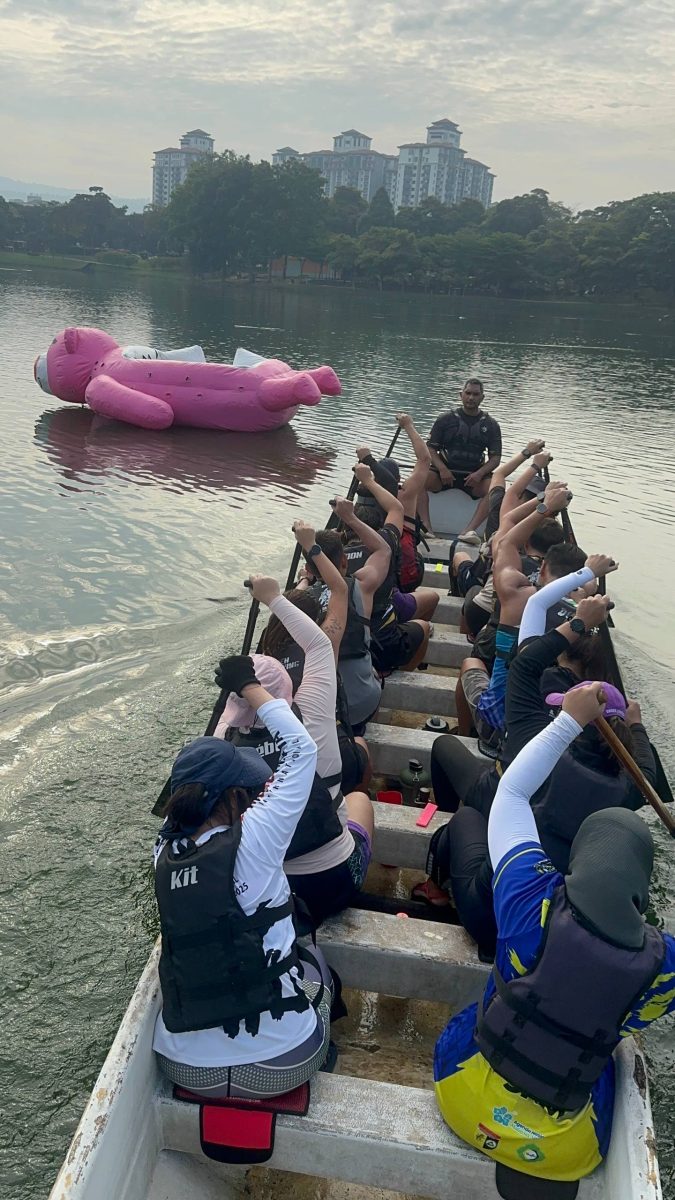
The Dragon Boat Festival takes place tomorrow. Dragon boating traces its origins to ancient China and is traditionally associated with the story of poet Qu Yuan.
Today, however, many participants are drawn to the sport for reasons that extend far beyond its cultural roots.
For the coach, the journey began almost accidentally in 2012. He recalled agreeing to attend an early morning training session despite spending the previous night out with friends.
“I remember looking at the clock at around two in the morning and realising we had to be at Marina Putrajaya by seven, so we went home, showered and drove to the training camp barely slept,” he said.
That first session led to his first competition later the same year and eventually a long-term commitment to the sport. More than a decade later, he continues to advocate for dragon boating as one of the most beginner-friendly team sports available.
“It’s a sport that people can pick up relatively quickly and if you enjoy team environments, there’s a good chance you’ll enjoy being on a dragon boat,” he said.
Finding rhythm in nature
Beyond the fitness benefits and competitive opportunities, many paddlers find themselves returning for a less tangible reason.
Training takes place outdoors, often against the backdrop of lakes, greenery and open skies – a stark contrast to the enclosed environments of gyms and fitness studios.
The coach believes that connection to nature is one of the sport’s most underrated qualities.
“You eventually forget that you’re exercising because you’re out on the water, surrounded by nature and sharing the experience with other people,” he said.
For Rogue Malaya, dragon boating is ultimately about much more than races, medals or traditions.
It is about creating opportunities for people to try something unfamiliar, discover new strengths and become part of a community that moves together in rhythm.
And for many first-time paddlers, all it takes is a single session before curiosity turns into commitment, often before they even realise they are already halfway into the boat.
READ MORE:
Making small wonders with Eddie Putera