
Table of Contents
Five exotic sources of caffeine from other countries to keep you awake for long days
What if a single cup of coffee could tell you everything about a country? Nearly 50% of the global population consumes coffee, making it the most popular beverage in the world – second only to water.
Every country processes and serves its coffee differently – each according to the preferences of the locals and the culture they follow. For this, we have listed the five most famous coffees by country. All are recognised for their uniqueness, authenticity and refreshing taste.
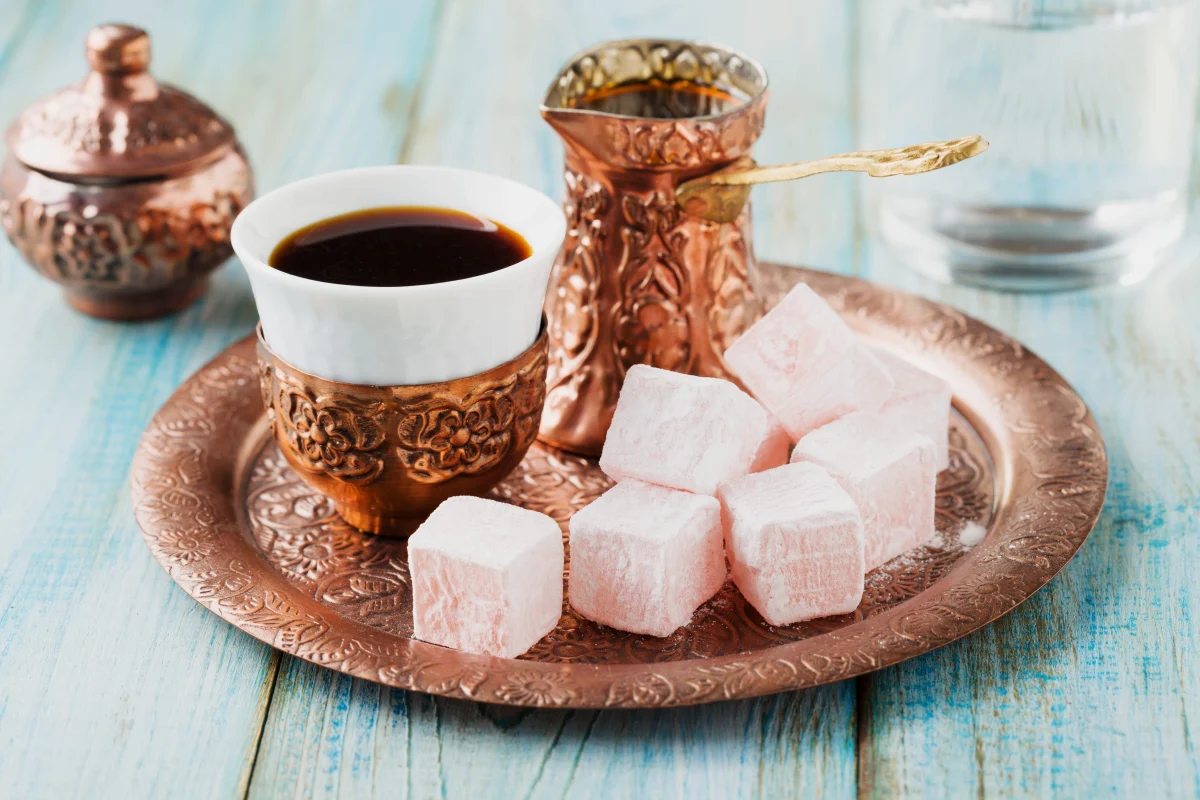
Turkish coffee
Among the oldest in the world, Turkish coffee culture began in Istanbul, Turkiye in the early 16th century, and it has continued to this very day. In fact, the word “coffee” originates from the Turkish word kahve, with Turkish coffee holding long-standing traditions in Turkiye, such as being used in fortune tellings and traditional wedding ceremonies.
Turkish coffee is prepared by slowly boiling finely ground coffee beans and water in a cezve – a small long-handled pot – without being filtered to produce a strong, intense flavour. The rich flavour profile and gritty texture give this coffee its distinct style, with an option of adding different sugar levels during the brewing process.
Nowadays, Turkish coffee is famous worldwide for its distinct flavour, standing out from almost every other coffee. While arabica and robusta coffee beans are best used with this preparation method, any type of coffee bean can be used in accordance with personal preference.
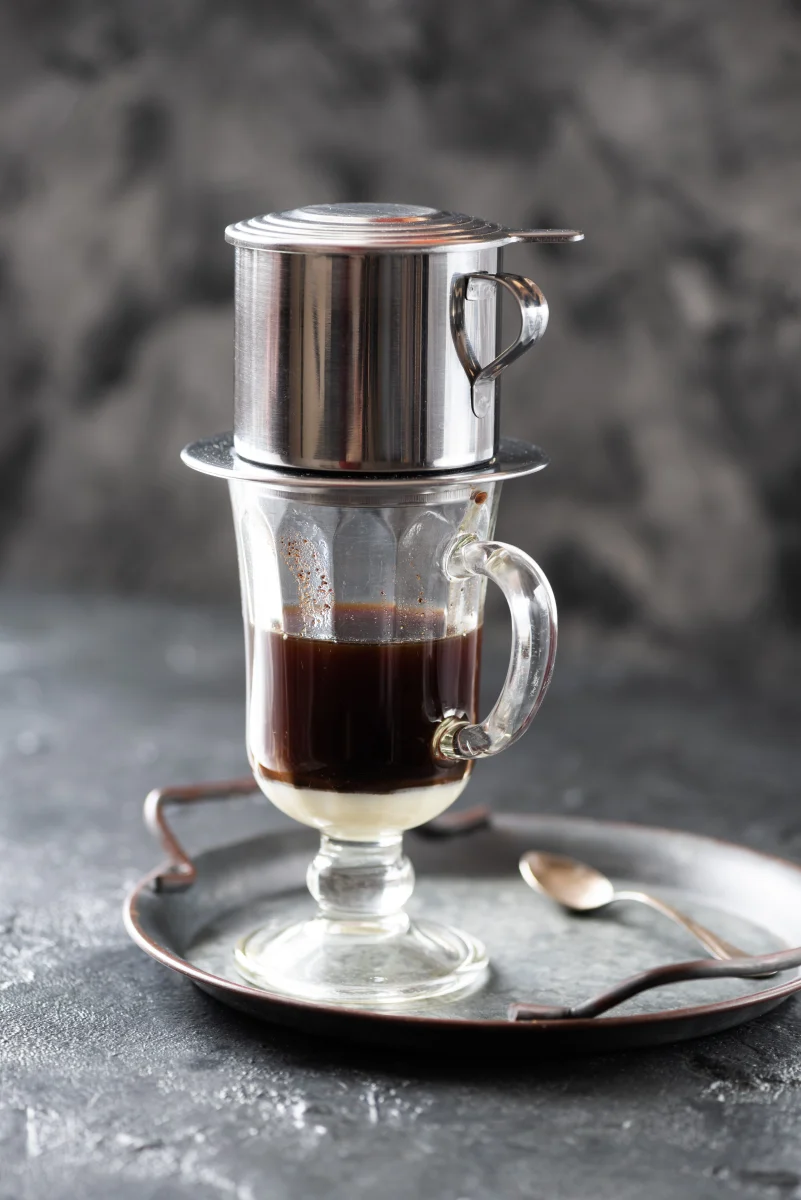
Vietnamese coffee
Vietnamese coffee, including its iced version, is a traditional Vietnamese recipe used since the mid-19th century. Coffee was originally introduced in Vietnam by the French and later, the beverage was adopted by the community.
Initially, the coffee first introduced to the Vietnamese used arabica beans but today, robusta coffee beans – known for their intense and slightly bitter taste – are more commonly used. The brewing begins using a phin – a small metal filter – to pass hot water through roasted coffee beans to slowly drip coffee into a cup with sweetened condensed milk to balance strong coffee with creamy sweetness.
Today, Vietnam is the largest producer of robusta coffee beans and the second-largest producer of coffee worldwide. The coffees have different levels of intensity, depending on whether medium or dark coffee beans were used in the roasting process.
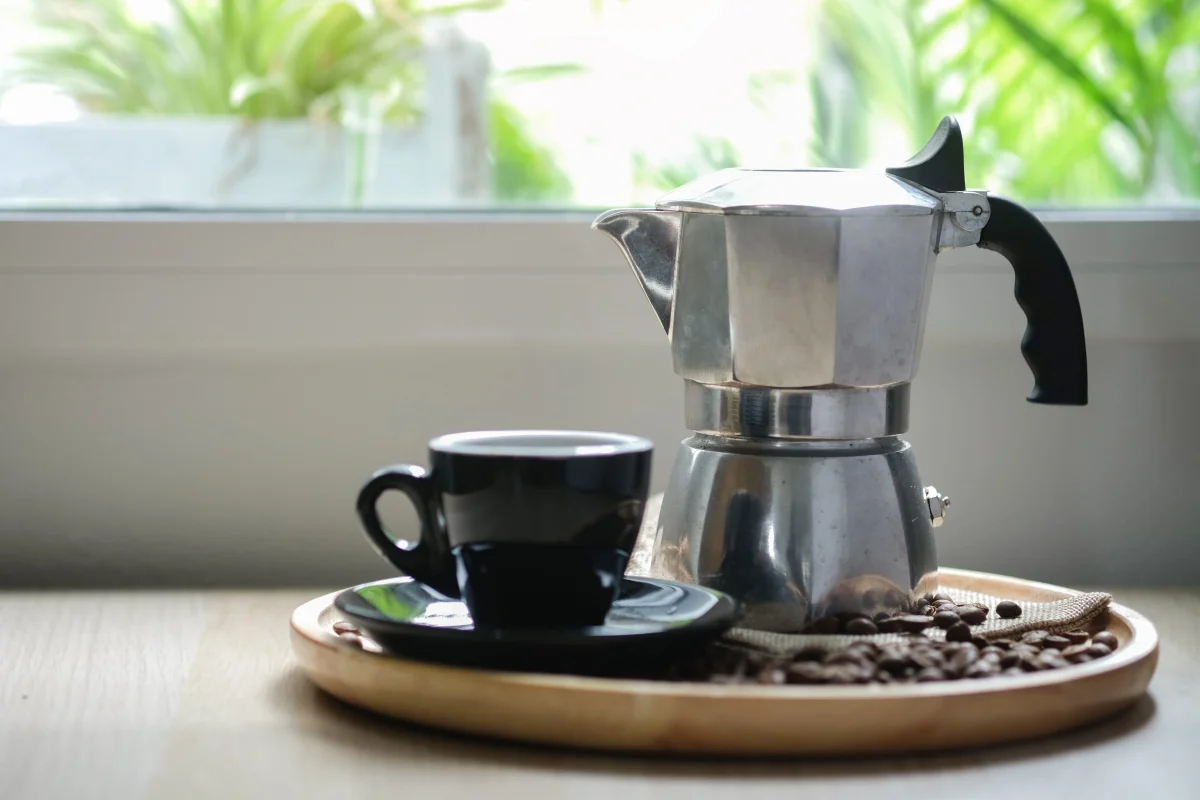
Italian coffee
Italian coffee, known locally as espresso, is part of the long-standing Italian food culture, characterised by its quick “stand-and-sip” experience.
The brewing begins in a caffettiera or moka pot – a small steam machine made of a bottom boiler, a central filter that contains the coffee grounds and an upper cup. In the traditional moka pot, water is put in the boiler, and the boiling water passes through the coffee grounds to reach the cup, using vapour pressure to brew strong, Italian coffee.
Espresso is no longer popular in just Italy but has become the main coffee base for many other coffees that exist today. With its simple preparation method, any type of coffee bean can be used to brew a cup, according to regional or personal preference.

Spanish coffee
The Spanish latte is the cornerstone of Spanish coffee, being a popular option around the world for its savoury taste and the traditions associated with it.
A sweet and creamy drink, this latte is made by combining fresh espresso with steamed milk and sweetened condensed milk. It is known for being richer and sweeter than the standard latte. Spanish coffee is typically brewed with expresso machines, with milk texture and sweetness customisable to suit one’s preferences.
This versatile coffee is thus, often served and consumed during gatherings with family and friends.
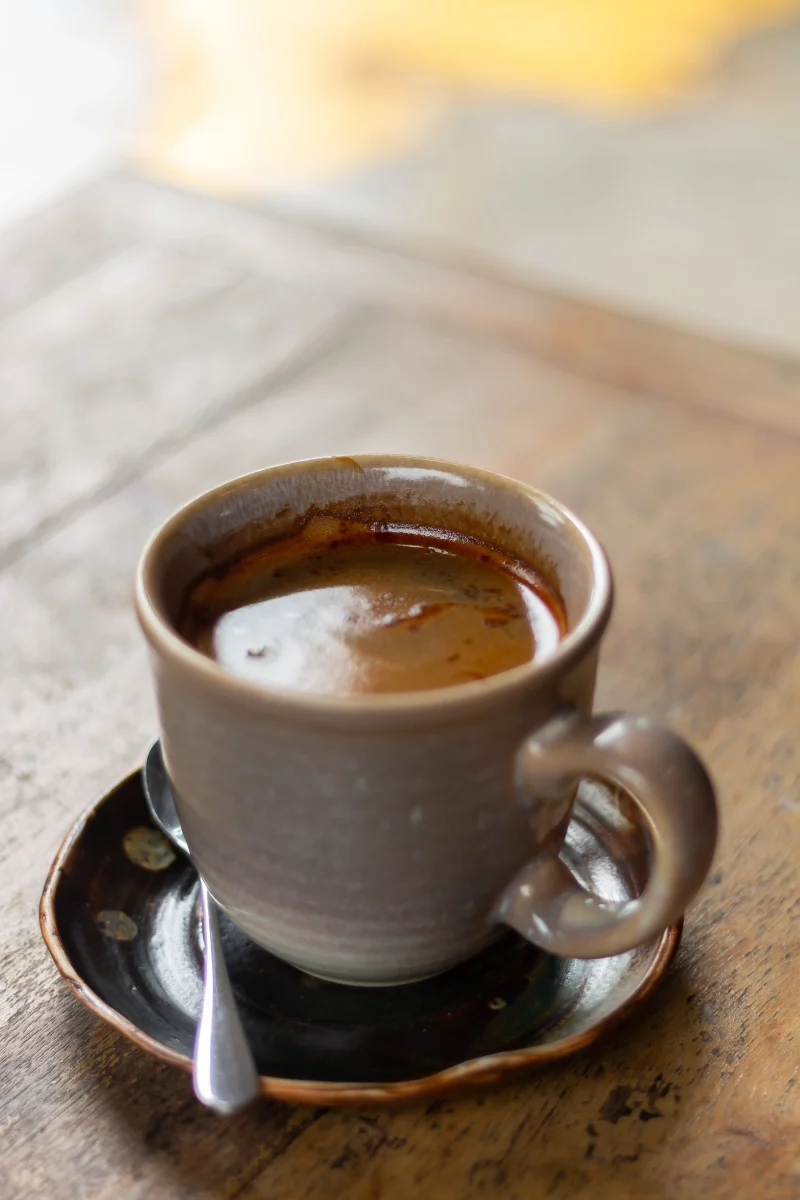
Cuban coffee
Cafecito or Cuban expresso, has become a unique way of enjoying sweetened expresso, mixing intense flavour with savoury sweetness.
In Cuba, expresso is made using a moka pot – similar to Italian coffee. The vapour pressure brews strong espresso, with the initial drips being mixed with sugar until thick and pale, creating espuma – a creamy, caramel-coloured foam. Lastly, the rest of the espresso is poured over this mixture to give Cuban coffee its sweet and creamy texture.
Taking cafecito is considered to be a morning ritual in Cuba, starting the day with a quick, sweet shot of coffee. Similarly, it is frequently shared among neighbours and friends for a quick cup at gatherings, signifying warmth and connection.
No more borders
Across countries and cultures, coffee remains constant – yet never the same. Each coffee type holds a piece of its country’s reflection and identity – telling a piece of its history.
So, the next time you take a sip, remember that you are not just drinking coffee – you are experiencing a piece of the world, beyond borders.
READ MORE:
Petite model defies height standards