From tactical malpractice in Dallas to the Klang Valley’s outsourced pride, Sunday’s World Cup action exposed the deep rot of broken systems.
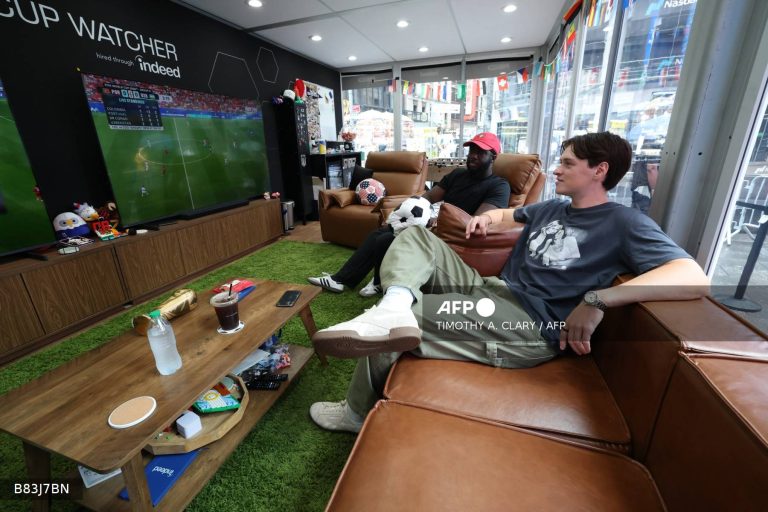
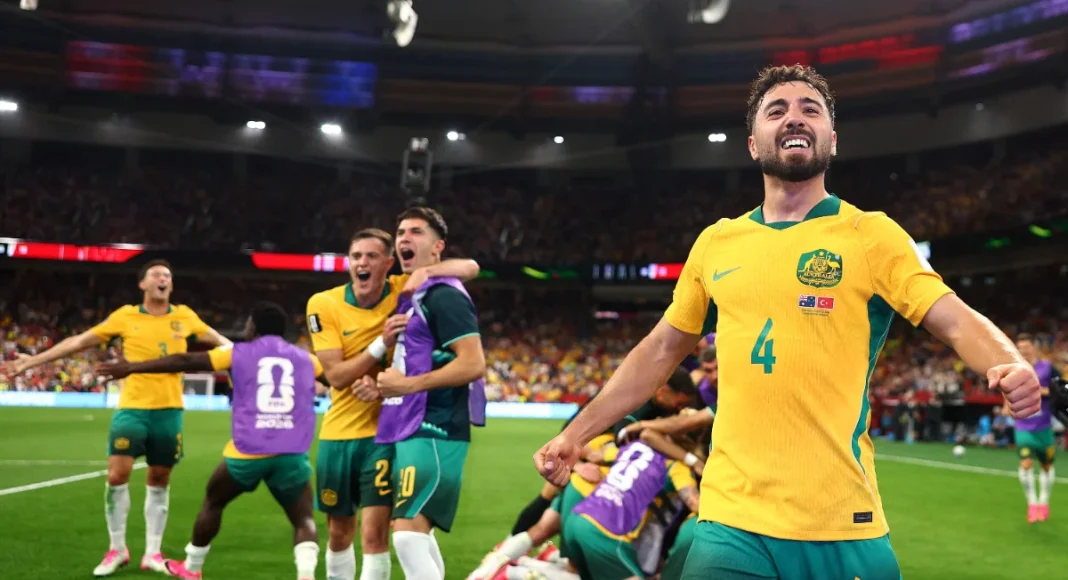
THE usual Sunday family lunch out was intensified across Klang Valley by a sudden, desperate influx of Malaysian football fans trying to convince themselves they had skin in the game. They crowded around their screens, all to watch Australia play Turkiye at the 2026 World Cup.
I can’t say it is any different from me. I just prepared to support an underdog and for the game the Netherlands drew 2-2 with a formidable Japan at 4am earlier today. Judging by how the game was played, Netherlands are also an underdog.
READ MORE: World Cup: Could not be the greatest show on earth
Observing Japan’s footballing trajectory is to experience a mixed feeling of envy and utter exhaustion.
“Tale as old as time, true as it can be…” as the classic song by Angela Lansbury goes, but for those of us on the edge, that melody has turned completely stale. In Malaysia, we describe this kind of repetitive, stagnant narrative as bubur sudah jadi basi.
There were no surprises in what Japan delivered. Their current system is no fluke; it is the result of a decades-long masterclass in execution. Basically, they didn’t convert players’ nationality for the sake of a quick win, and it paid off.
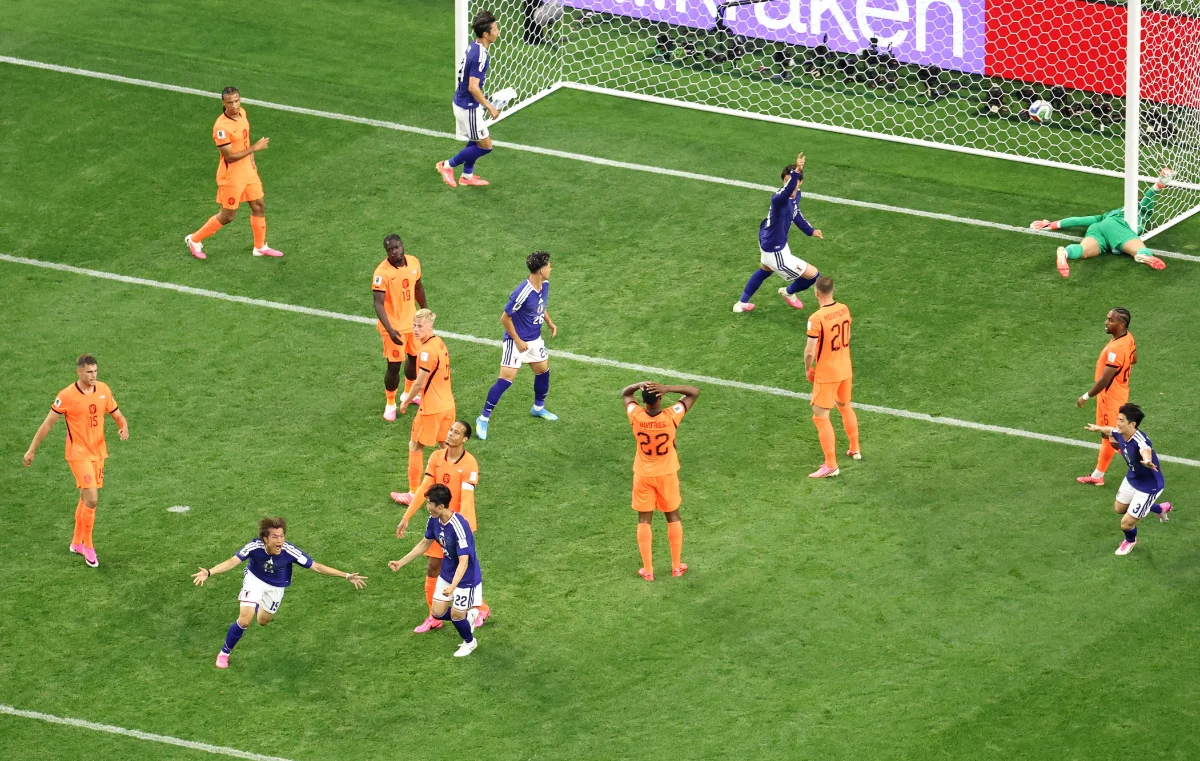
They operate with precision, unyielding structural discipline, and a physical engine capable of maintaining full throttle for ninety minutes.
However, as a Holland supporter, the true nightmare of the afternoon wasn’t Japan’s robotic ascent. It was the absolute, self-inflicted psychological disintegration of the Dutch very identity.
How does a manager on the international stage, holding a stable 2-1 advantage with world-class players, decide to actively dismantle his own work? The Dutch were in control. Virgil van Dijk powered home a captain’s header in the 50th minute.
Crysencio Summerville was shredding the Japanese fullbacks, netting a beautiful goal in the 63rd minute. Donyell Malen was providing a constant threat with his direct approach. Japan was reeling, gasping, and perfectly positioned for the final blow.
Then came the 69th minute, something the world called, a moment of pure, unadulterated tactical insanity.
Ronald Koeman looked at a lethal, functioning engine and decided to pull the spark plugs. In a staggering double change that will haunt me, he withdrew our two most potent offensive threats in Donyell Malen and Crysencio Summerville. Shortly after, he removed Tijjani Reijnders from the center of the pitch.
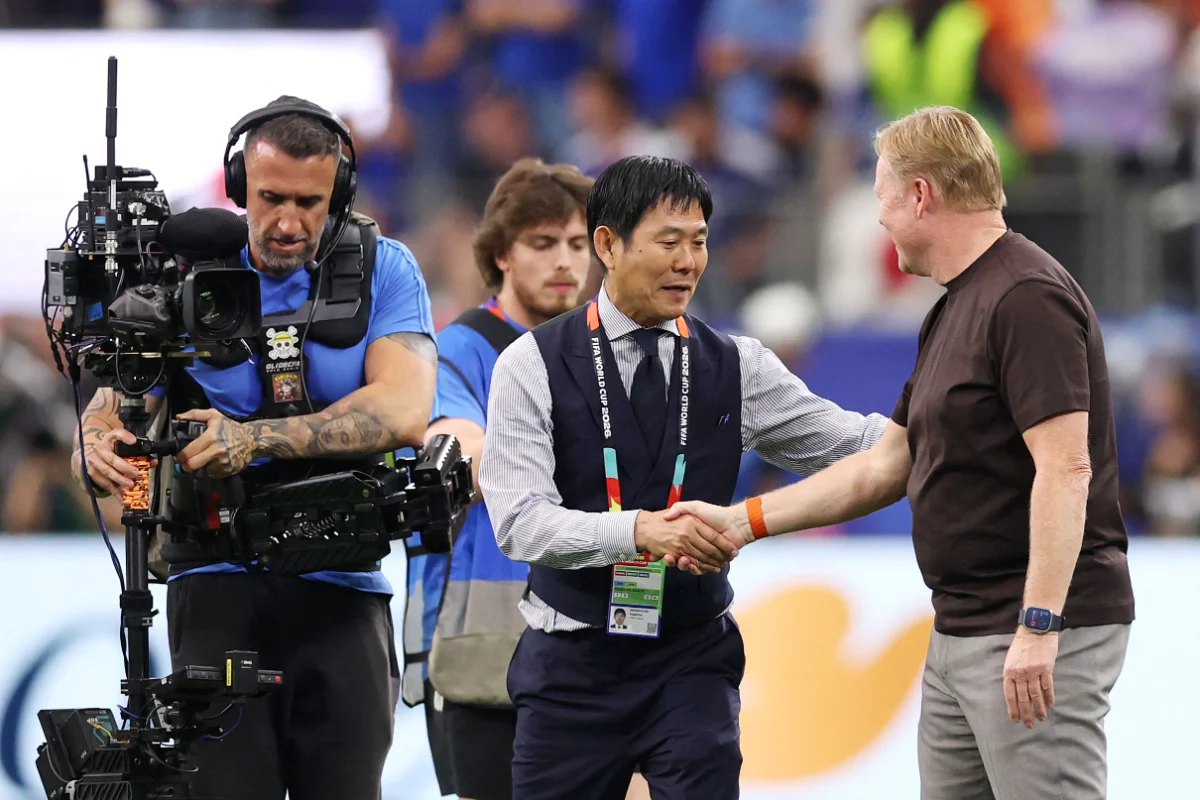
In their stead, he introduced Teun Koopmeiners to hold, Quinten Timber to press, and – most frustratingly – a visibly unfit Memphis Depay. Memphis spent his cameo wandering aimlessly, contributing nothing of significance beyond a pointless yellow card in the 82nd minute.
The Oranje lost their edge instantly. Koeman signaled for the side to retreat, abandon the wings, and hide in a low block. They practically invited the Blue Samurai to lay siege. They transformed into a passive target for a team famous for its undying, relentless pressure. Predictably, Daichi Kamada finished the equaliser in the 88th minute. The Dutch didn’t technically lose on the scoreboard, but completely surrendered their dignity.
The way Ronald Koeman managed those changes was a mirror image of how I handle tactical tweaks for my social league football team, Black Army Rovers FC, on a weekend evening. The slight distinction is that my social league players actually pays their match fees. I am structurally required to give them twenty minutes of action so they don’t set the team WhatsApp group on fire by midnight. I don’t believe the KNVB is under those same financial obligations. With that, I understand that Koeman wasn’t trying to ensure Memphis got his money’s worth, he was committing pure tactical malpractice on a global stage.
Prior to this tournament, Koeman confidently asserted that they had the raw talent to pursue the trophy, but cautioned that they needed absolute intensity and respect for the physical engines of modern rivals.
Yet, nearly two decades after that Euro 2008 catastrophe – when the Dutch side gassed out and were humiliated 3-1 by a hyper-fit Russia under Guus Hiddink – he stands in the dugout repeating the same mistakes. This time, he did it by overseeing a side that treats a match like a casual stroll, only to act stunned when a hungrier, more disciplined nation takes their lunch money at the death.
While many Malaysians I know were supporting the Japanese with the Asian connection, our connection with Australia is undisputed as we supported the Socceroos yesterday against Turkey. Malaysians send their children to study in Melbourne, migrate to Sydney the moment a corporate door opens, and we claim collective geographic kinship under the vague banner of “Asian status.”
But yesterday, the connection was narrower, distilled down to a point, cheering on the young Australian winger Nishan Velupillay, solely because of his Malaysian heritage.
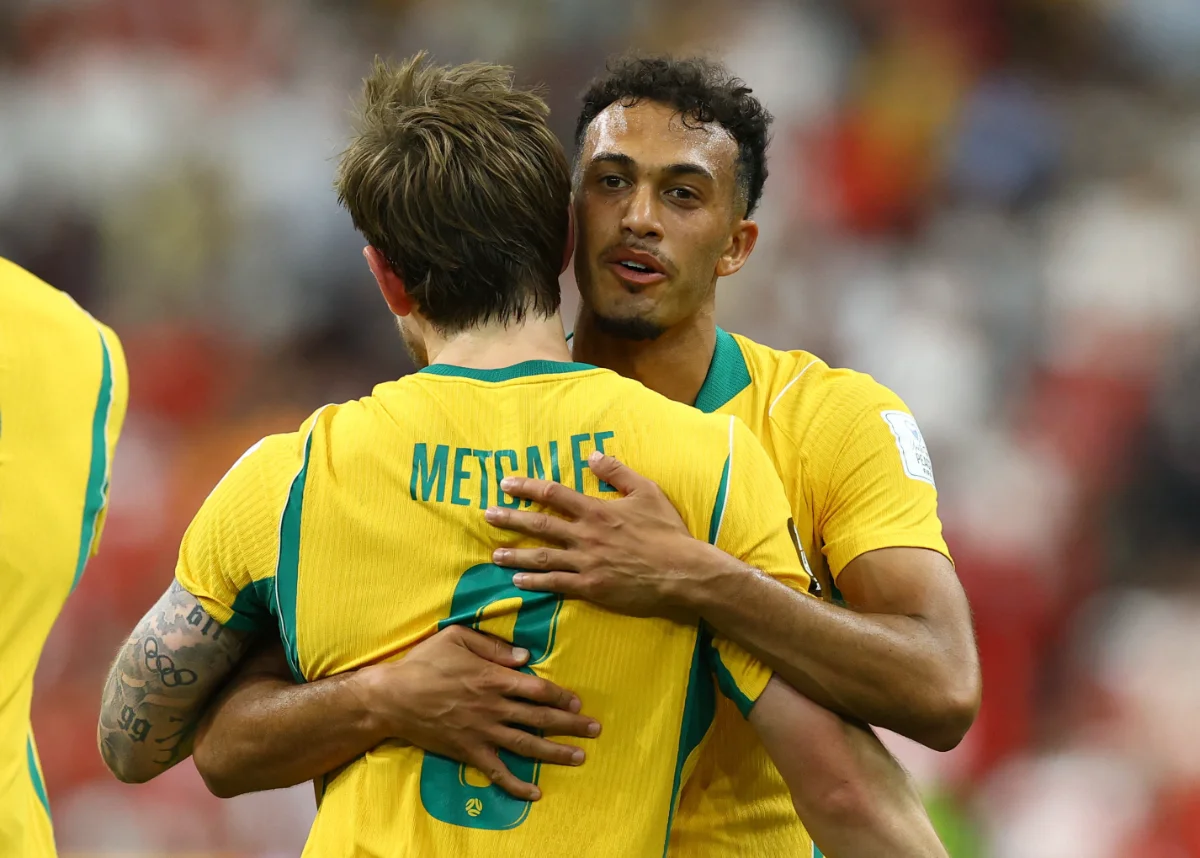
Predictably, the Malaysian ‘done claim’ culture went into an absolute overdrive. Local publications flooded their stories and social media feeds with almost identical, breathless headlines: “Malaysian Roots in the World Cup!” It was a standard, embarrassing delusion.
Were we actually in the World Cup? No. We were looking at a young man born in Melbourne, trained in Melbourne, wearing an Australian kit, and treating him like he was a product of the Malaysian sports ecosystem. If I may put it in simple writing, we hadn’t qualified for a World Cup, we just merely intercepted someone else’s hardwork, and claimed it as our own.
Either way, it was an astonishingly brilliant match, specifically because Hakan Calhanoglu was forced to eat his pre-match arrogance. The Turkish captain had dismissively suggested that the Australian roster lacked the technical pedigree to compete with Europe’s elite. Instead, Tony Popovic’s side executed a transition masterclass. They absorbed thirty shots, trusted a 22-year-old goalkeeper Patrick Beach – who pulled off eight world class saves – and ruthlessly struck on the counter.
But if you look closely at that triumphant Socceroos squad, the mirror it holds up to Malaysia becomes agonisingly sharp. This Australian team isn’t just a product of suburban sports clubs, but it is a tapestry woven from global displacement.
Nestory Irankunda was born in a refugee camp in Tanzania after his parents fled the civil war in Burundi. Thomas Deng came from a South Sudanese refugee background. Awer Mabil and Mohamed Touré share similar stories of survival before finding a pitch in Adelaide or Melbourne.
Australia did not just happen upon these world-class athletes. Their sports ecosystem actively reached into these vulnerable and displaced communities, handed them football boots, cleared their administrative hurdles, and absorbed them into their national identity. Australia weaponised inclusivity to build a footballing powerhouse; Malaysians are looking to chase refugees out of the country.
The bitter pill to swallow is that we share so many things superficially with the Australians, yet we cannot touch their footballing ceiling. The reason is simple: our system values comfort and control over raw, uncomfortable merit.
Malaysia’s failure is a moral and systemic blind spot. We didn’t entirely fail at spotting talent at the grassroots level. We actively suppress it through our treatment of refugees and undocumented communities. We treat the thousands of displaced people living within our borders not as human potential, but as administrative inconveniences to be kept hidden, swept away, or barred from public life.
I know players in the local Malaysian social leagues – local or foreigner – who are good enough, if given proper elite conditioning, to be genuine world beaters.
At Black Army Rovers FC, we have a player who, despite holding a Red IC, is allegedly completely banned from playing in sanctioned domestic competitions because he is legally stamped as ‘not Malaysian.’
We would rather let a generational talent rot on a community pitch over administrative red tape than build an inclusive pipeline that strengthens our footballing culture. Australia looked at refugee kids like Irankunda and Deng and saw the future of their country’s pride; Malaysia looked at brilliant refugee players and saw a missing permit, choosing the cruelty of exclusion over the glory of what could be.