
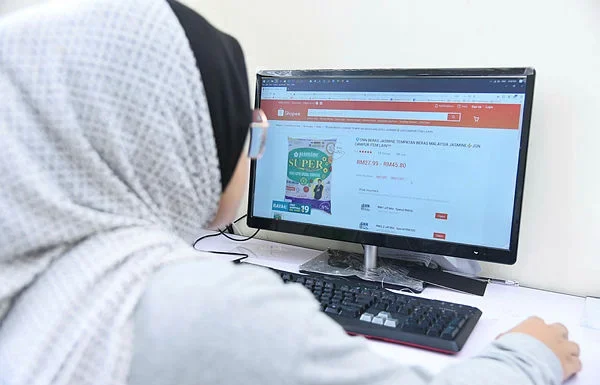
Online shopping continues to grow worldwide, offering accessibility and savings while increasing concerns over cybersecurity and fraud.
THE rapid growth of the internet and digital technology has transformed the way people shop. Online purchasing, once considered as novelty, has now become a routine part of daily life for millions around the world.
From groceries and clothing to electronics and services, consumers can buy almost anything with a few clicks. While online purchasing offers many advantages in terms of convenience and accessibility, it also presents several drawbacks that deserve careful consideration.
Understanding the pros and cons of online purchasing is essential for making informed consumer choices.
One of the most significant advantages of online purchasing is convenience. Consumers can shop at any time of the day without being restricted by store opening hours. This is especially beneficial for busy individuals, working parents or those living in remote areas.
Online shopping eliminates the need to travel, find parking or wait in long queues, saving time and effort. With home delivery services, products are brought directly to the customer’s doorstep, making the entire process efficient and stress-free.
Another major benefit is the wide variety of choices online. Unlike physical stores, which are limited by shelf space, online platforms can offer an extensive range of products from local and international sellers.
Consumers can easily compare prices, features and reviews across different websites, allowing them to make informed decisions.
This increased competition among sellers often results in lower prices, frequent discounts and special promotions, which can lead to significant cost saving for buyers.
Online purchasing also empowers consumers through access to information. Customer reviews, ratings and detailed product descriptions help shoppers evaluate the quality and suitability of items before buying. This transparency can reduce the risk of dissatisfaction and encourage businesses to maintain higher standards.
In addition, online shopping platforms often use personalised recommendations, making it easier for consumers to discover products that match their preferences and needs.
Despite these advantages, online purchasing has notable disadvantages. One major concern is the inability to physically inspect products before buying.
In traditional shopping, customers can touch, try on or test items, ensuring that they meet expectations. Online shoppers, however, must rely on images and descriptions, which may be misleading. As a result, products may arrive damaged, defective or different from what was expected, leading to disappointment and inconvenience.
Security and privacy issues are another significant drawback. Online purchasing requires consumers to share personal and financial information, making them vulnerable to cybercrime, data breaches and online fraud.
Although many platforms use secure payment systems, the risk of hacking and identity theft cannot be completely eliminated. This lack of trust can discourage some consumers, particularly older individuals, from embracing online shopping.
Delivery-related problems also pose challenges. Delays, lost packages or damaged goods can occur, especially during peak shopping seasons.
In addition, shipping fees may increase the total cost of purchase, sometimes making online shopping less economical than buying from aphysical store.
Returning items can be complicated and time-consuming, requiring customers to follow strict procedures and wait for refunds, which may take weeks to process.
Furthermore, the rise of online purchasing has social and economic implications. Traditional brick-and mortar stores may struggle to compete with large online retailers, leading to store closure and job losses.
Local businesses, in particular, may find it difficult to survive in an increasingly digital marketplace.
On a personal level, excessive online shopping can encourage impulsive buying, as easy access and targeted advertising may lead consumers to spend beyond their means.
In conclusion, online purchasing offers undeniable benefits, including convenience, variety, competitive pricing and access to information. However, it also comes with drawbacks, such as security risks, delivery issues, lack of physical inspection and broader economic impacts.
As online shopping continues to evolve, consumers must weigh these pros and cons carefully. By practising caution, using reputable platforms and shopping responsibly, individuals can enjoy the advantages of online purchasing while minimising its potential risks.
Liong Kam Chong
Seremban