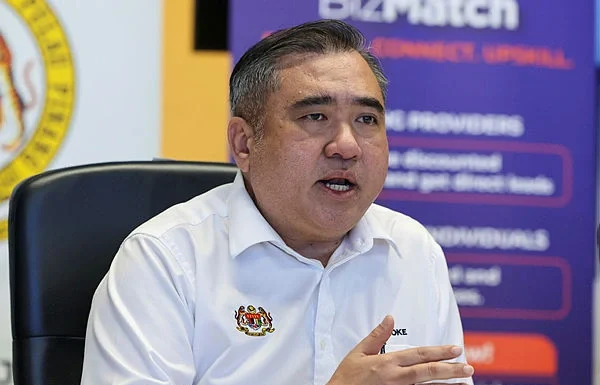
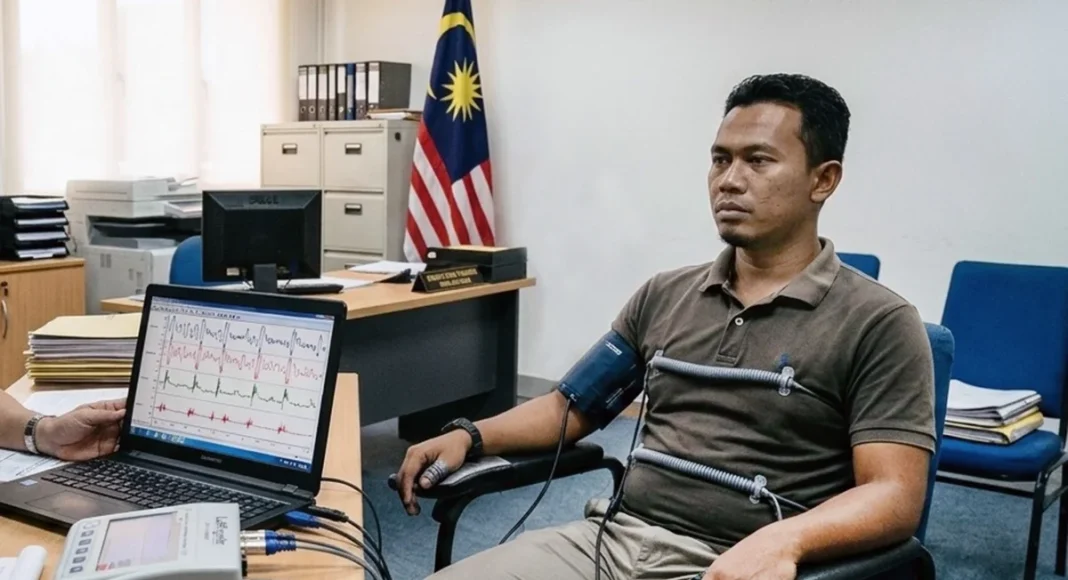
Independent criminologist Datuk Shahul Hamid Abdul Rahim stressed that polygraph testing was not a definitive instrument for determining whether a person was telling the truth or lying.
PETALING JAYA: Polygraph testing may still assist integrity screening and investigations, but experts say it cannot be treated as a standalone measure of honesty or deception.
Independent criminologist Datuk Shahul Hamid Abdul Rahim said polygraph testing remains relevant as a support option to identify inconsistencies in responses and guide further scrutiny.
However, he stressed that it was not a definitive instrument for determining whether a person was telling the truth or lying.
“Evidence based solely on polygraph testing is not sufficiently accurate. It is only 80% to 90% accurate and even then, it cannot be used as evidence in court unless supported by expert testimony,” he told theSun.
While accuracy could reach 90% when using specific questions, Shahul added that it could fall to between 70% and 80% during general screening processes.
He explained that polygraph testing does not detect lies directly but measures physiological responses such as pulse rate, blood pressure, respiration and skin readings, all of which could be influenced by psychological factors.
According to Shahul, the risk of false positives could range from 10% to 25%, with truthful individuals potentially assessed as deceptive due to nervousness, illness, medication, anxiety, trauma, poor questioning techniques or an examiner lacking sufficient expertise.
Conversely, deceptive individuals may be assessed as truthful if they are able to control their emotions, employ countermeasures or display no significant physiological response.
“If there is too much reliance on polygraph testing, there is a risk of injustice against individuals who may not have committed any wrongdoing.
“That is the danger. We cannot depend solely on polygraph testing.”
The comments come after the Malaysian Anti-Corruption Commission held the Malaysian Polygraph Seminar: The Role of Polygraph in Employment Screening at the Malaysian Anti-Corruption Academy on May 22.
The commission said the seminar aimed to enhance understanding of polygraph technology as a support option for employment screening, organisational integrity management and security-related investigations.
The initiative has also prompted questions about how such tests should be used in integrity and security-related decision-making.
Providing further insight, Asian Criminological Society board member and criminologist Datuk Dr P. Sundramoorthy said polygraph testing should not be regarded as a definitive truth verification instrument.
“Polygraphs may help generate leads, identify inconsistencies or encourage disclosures, but final decisions should rest on a broader evidentiary foundation.
“A false positive may unfairly damage a person’s reputation, career and future opportunities, while a false negative may create a false sense of security and allow potentially high-risk individuals to avoid detection.
“For this reason, polygraph findings should always be interpreted cautiously and alongside other evidence.”
In the context of employment screening, Sundramoorthy said recruitment decisions should also rely on background checks, reference verification, psychological assessments, integrity interviews and other evidence-based screening measures.
Likewise, disciplinary proceedings and criminal investigations should be supported by documentary evidence, witness statements, digital evidence, forensic findings and other investigative methods.
He added that safeguards were particularly important when polygraph findings could affect employment, promotion or investigation outcomes.
Organisations should also provide an appeal process for individuals wishing to challenge the findings or raise concerns about how the test was conducted.
“Participation should be based on informed consent, with individuals fully understanding the purpose and implications of the examination.
“Tests should only be conducted by properly trained and certified examiners who adhere to recognised professional and ethical standards.
“Strict data governance and privacy protections are equally important. Polygraph records should be securely stored, access restricted to authorised personnel and retention periods clearly defined.
“Organisations must clearly communicate that polygraph testing is only one component of a broader integrity management framework and should never be treated as infallible,” he said.