Parti Sosialis Malaysia raises concerns over a RM1.75 billion hyperscale data centre in Serendah.
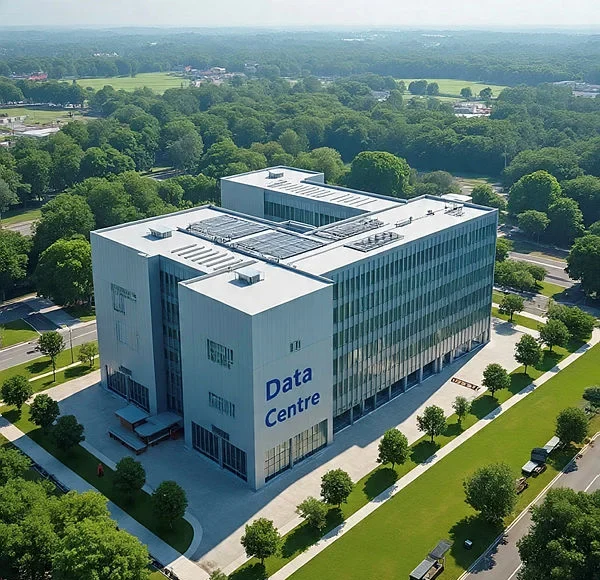
PETALING JAYA: Parti Sosialis Malaysia (PSM) has raised concerns over the public benefit of a proposed hyperscale data centre in Bandar Serendah, warning that the RM1.75 billion project could put significant pressure on Selangor’s water and energy resources while offering limited long-term returns to local communities.
PSM central committee member Gandipan Nantha Gopalan said the development reflects a broader pattern in which Malaysia’s land, water and energy are placed at the disposal of global technology corporations.
He questioned whether planning decisions involving essential resources were being made transparently or with meaningful public consultation.
“Was the Hulu Selangor Municipal Council meaningfully involved, or was it simply expected to approve a predetermined project?” he said in a statement.
He described Serendah as a living landscape with ecological value and argued that community voices must be heard before such decisions are finalised.
The water demands of hyperscale facilities are substantial. A single data centre in Newton County, Georgia, in the United States reportedly consumes around 500,000 gallons of water daily — roughly 10% of the county’s total supply.
Globally, direct water consumption from hyperscale data centres is projected to reach between 16 billion and 33 billion gallons annually by 2028.
Gandipan questioned whether Selangor’s water infrastructure could absorb the additional burden without affecting public supply, particularly during dry spells.
“During periods of drought, the tension between basic human needs and corporate operations will not be theoretical. It will be immediate and real,” he said.
On the electricity side, the International Energy Agency (IEA) has projected that a typical AI-focused data centre consumes as much power as 100,000 households, with the largest facilities under construction drawing up to 20 times more.
Global electricity consumption from data centres is forecast to roughly double to around 945 terawatt-hours by 2030, equivalent to Japan’s entire power consumption today, rising from about 1.5% of worldwide demand in 2024 to nearly 3%.
The strain has prompted regulatory responses elsewhere. The Netherlands has imposed restrictions on hyperscale data centres exceeding 10 hectares or drawing 70 megawatts or more, citing grid capacity constraints.
In Ireland, grid operator EirGrid imposed a de facto moratorium on new data centre connections in the Dublin region in 2022, citing insufficient power capacity, though the restriction was lifted in late 2025 following new policy frameworks.
Singapore similarly halted approvals for several years over sustainability concerns.
Gandipan described the proliferation of data centres as a new form of digital-age resource extraction, arguing that international firms are attracted to Malaysia by cheap land, available water and subsidised energy, while environmental costs are borne locally.
He was also sceptical of the employment argument, noting that data centre operations are highly automated once construction is complete.
He suggested that the land and resources involved could better serve sectors such as local agriculture and sustainable tourism.
He further raised questions about whether preferential electricity tariffs or incentives were being extended to operators at the public’s expense.
“Serendah must not be reduced to a low-cost base for the global digital economy. Development decisions must prioritise people, environmental sustainability and economic justice,” he said.