Being single doesn’t mean having fewer responsibilities’: Experts warn of workplace bias and burnout
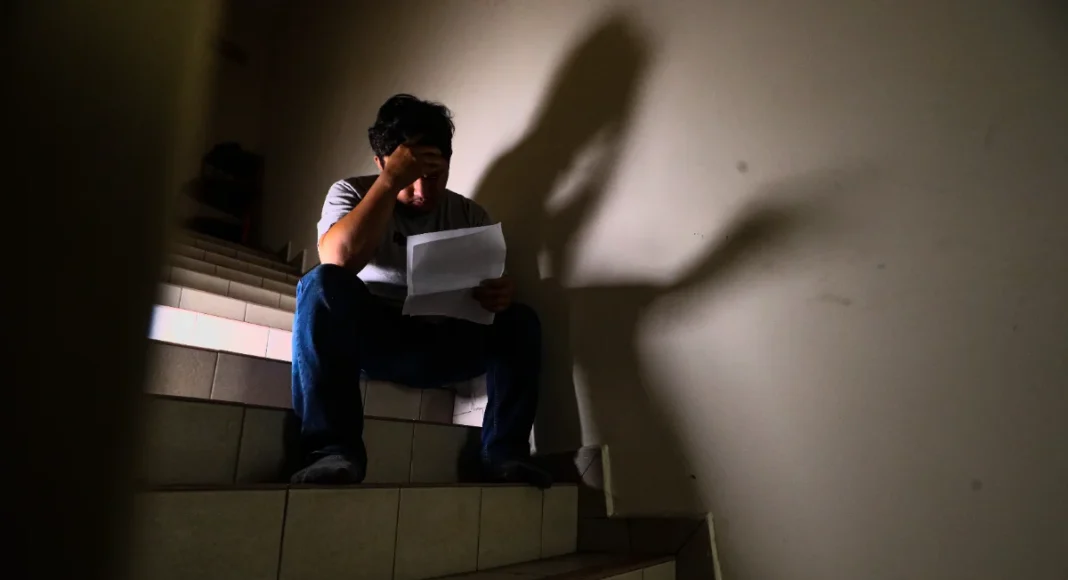
PETALING JAYA: As conversations on workplace mental health continue during Mental Health Month in May, it has become apparent how feeling that one’s personal time is less valued at work, particularly among single employees, may quietly erode self-worth and morale over time, experts said.
Universiti Teknologi Mara Communication and Media Studies Faculty senior lecturer Dr Hamizah Sahharon said such perceptions reflect a societal tendency to unconsciously prioritise certain life stages over others, especially when it comes to how personal time is valued in the workplace.
READ MORE: Pick up pace on ageing-nation readiness, says expert
“Parents’ time off is usually understood and accepted quickly, but when a single person asks for personal time, it is sometimes seen as less urgent or less important.
“This creates an unhealthy idea that rest, hobbies, solitude or personal wellbeing are somehow less valuable if a person is not married or raising children.
“Personal time is still important because mental rest, emotional wellbeing, family commitments and even solitude are all part of maintaining a healthy life,” she said.
She said caregiving duties linked to marriage or parenthood are often more visible and widely understood, leading single employees to sometimes be perceived as having fewer commitments or more free time due to traditional views on family roles.
She also said when workplaces overlook these realities, employees may feel unsupported or misunderstood, increasing emotional strain since they are expected to continuously perform without others recognising the pressures they carry outside work.
“There could be an assumption that because they are unmarried or do not have children, they are more emotionally available, have fewer responsibilities or can take on extra work more easily,” she said.
She added that over time, this could cause stress and a sense of unfairness, especially when personal boundaries are often ignored, as mental health strain could also come from feeling that one’s personal time is valued less than others.
“In reality, being single does not mean life is easier or lighter. Many single individuals manage ageing parents, financial pressures, health concerns, emotional wellbeing or personal commitments outside work,” she added.
Hamizah said some warning signs include constant fatigue, emotional withdrawal and feeling mentally drained even after work hours.
She urged employers to pay attention to performance as well as emotional wellbeing so that organisations can identify early signs of stress and prevent burnout from becoming serious.
“Sometimes, people continue functioning normally on the surface, but internally they are already overwhelmed,” Hamizah said.
She stressed that when the same employees are repeatedly expected to stay late, work during holidays or cover for others, it could lead to burnout, emotional exhaustion and resentment towards the organisation.
“At first, many people tolerate it because they want to be cooperative. But after a while, it could create frustration and resentment, especially when it starts feeling less like teamwork and more like an expectation attached to your marital status.
“Over time, this may reduce motivation, morale and even loyalty to the workplace,” she added.
She said younger workers are much more open about protecting their boundaries and prioritising mental health, with many no longer believing that being hardworking means sacrificing your personal wellbeing completely.
Hamizah said such a shift is important because burnout can affect anyone regardless of relationship status.
She said while parenting responsibilities firmly deserve understanding and support, balance should not be limited to that alone, and work-life balance should be understood more broadly.
“Everyone deserves balance, including individuals who are single, caring for parents, managing health issues, pursuing education, maintaining relationships or simply protecting their mental wellbeing,” she added.
She added that a healthier workplace culture recognises that personal wellbeing matters for all employees.