Table of Contents
Smartwatches promise insight, but are they accurate
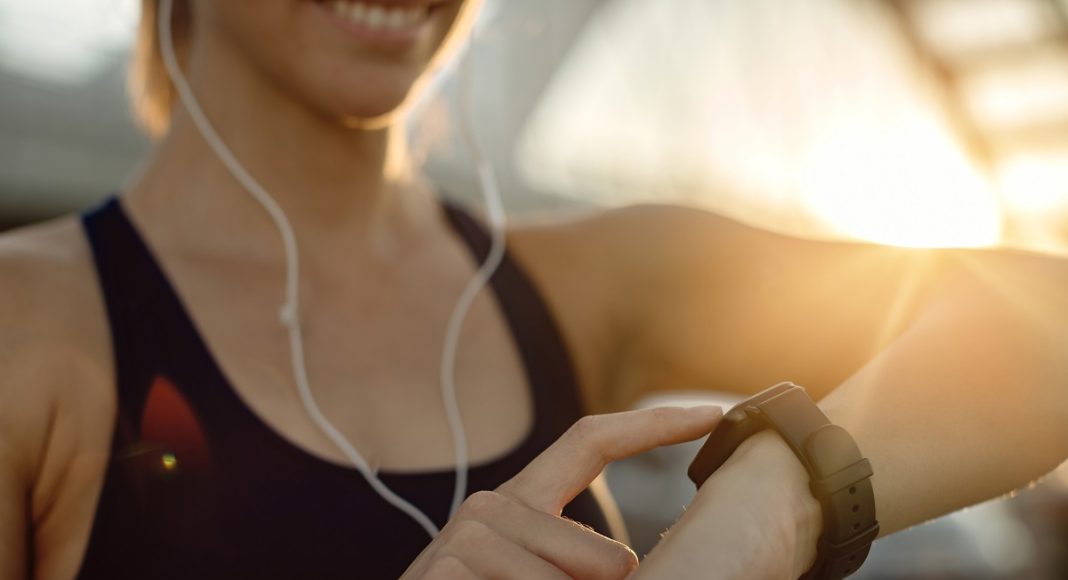
Sitting at the centre of personal health tracking, smartwatches work by having one worn in order for it to log the user’s steps, heart rate, sleep and even stress levels, but just how accurate are these readings and are they reliable?
Devices from tech giants such as Apple, Samsung and Garmin dominate the market, with models such as the Apple Watch and Samsung Galaxy Watch promoting health tracking as a key feature. For many users, these devices act as a daily fitness guide.
Tracking basics hold up
Certain metrics are reliable across the board, such as step counting which is generally accurate, with some caveats. As most smartwatches use motion sensors, the readings perform well in everyday walking and running, but the downside is that as they track motion, they may log regular hand movements as steps.
During steady activity, heart rate tracking is also strong as optical sensors measure blood flow through the user’s wrist and can give a good estimate during rest or moderate exercise.
However, the accuracy does drop in certain situations, such as high-intensity workouts which can confuse sensors. As mentioned above, rapid arm movement, sweat or loose straps may affect readings through these bouts of activity.
Tracking strength training is also another weak spot, as wrist motion will not always match actual effort, which would vary greatly among individuals.
Sleep and calories fall short
Beyond tracking the physical side of things, the more advanced smartwatches are also able to track sleep by estimating sleep duration and patterns using movement and heart rate data.
They are able to identify when users fall asleep and wake up, but they can not fully measure sleep stages with the precision of clinical tools such as polysomnography that are used in hospitals.
Using smartwatches to track calories can range from less reliable to downright unreliable.
The devices that have this feature typically estimate calories burnt based on heart rate, movement and user data such as age and weight. However, it should be noted these are broad calculations as several studies have shown calorie estimates can vary widely from actual energy expenditure, especially during mixed or irregular activity.
Advanced features, clear limit
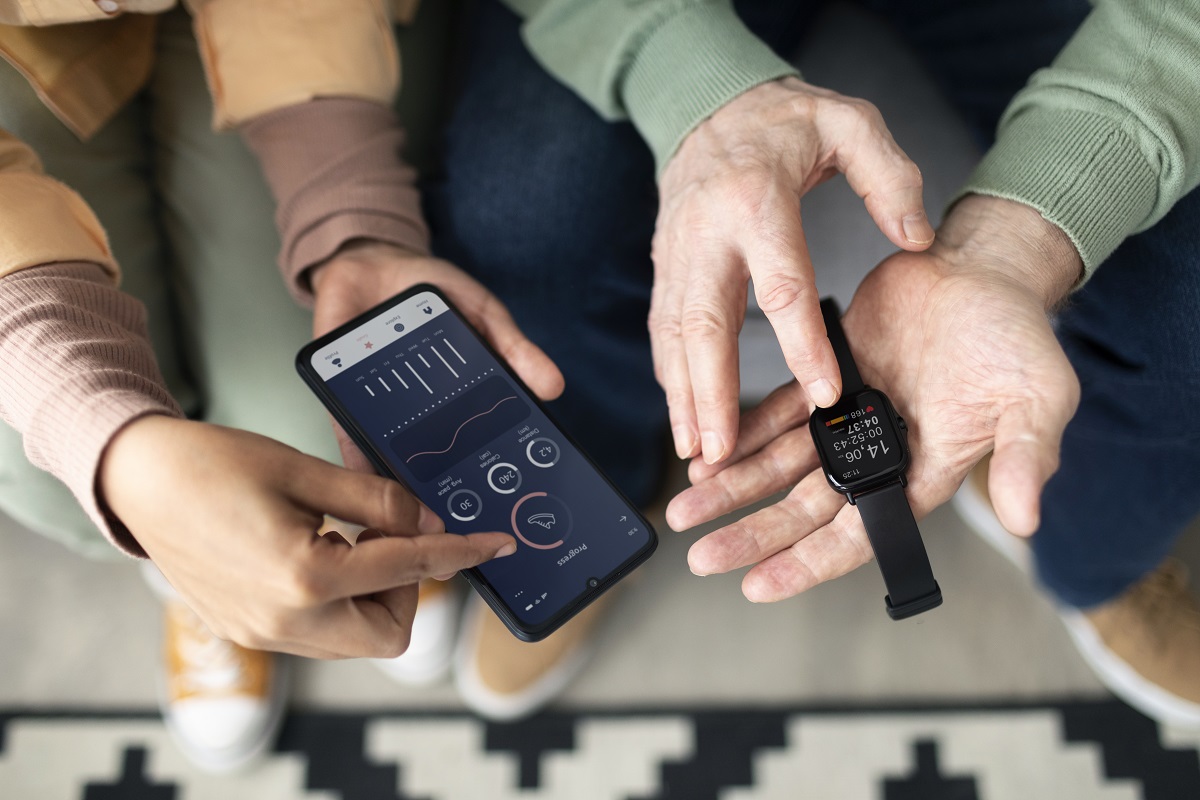
Newer features that are being introduced in the competitive market are pushing smartwatches further into health territory.
Some watches now offer electrocardiogram (ECG) readings, blood oxygen levels and stress tracking. The Apple Watch, for example, includes an ECG function that can detect irregular heart rhythms.
While useful, these features are not and should not be considered replacements for proper medical diagnosis as health experts have publicly stated smartwatches are not medical devices.
Though these devices can certainly flag unusual patterns, they do not confirm conditions as false positives and false reassurance are risks where a missed alert may delay care while an incorrect warning may cause anxiety.
All said and done, the benefits to using smartwatches are nonetheless real. Smartwatches can encourage movement, track trends and build awareness with many users testifying they walk more, exercise more often and pay closer attention to sleep because of these devices due to the gamified “do activities, see numbers go up or improve” feedback loop.
Doctors also see value in long-term data, as smartwatches can record trends over weeks or months. That information may help identify changes worth discussing with a healthcare provider.
At the end of the date, the key is how users use the data collated through these devices. Readings from smartwatches should function as a guide, not a diagnosis. For instance, look at the patterns over a long period of time, rather than one-off measurements. If something looks off or unusual, then a follow-up with a professional may be necessary.
Accuracy will improve over time as sensors and software develop, but even in 2026, smartwatches work best as a support tool, not a final answer. They can nudge a user to develop better habits but they should not be considered the be-all and end-all in defining their health.
READ MORE:
Get these new smartphones for work, photos and gaming
New smartwatch picks for work, fitness and outdoor training