
Table of Contents
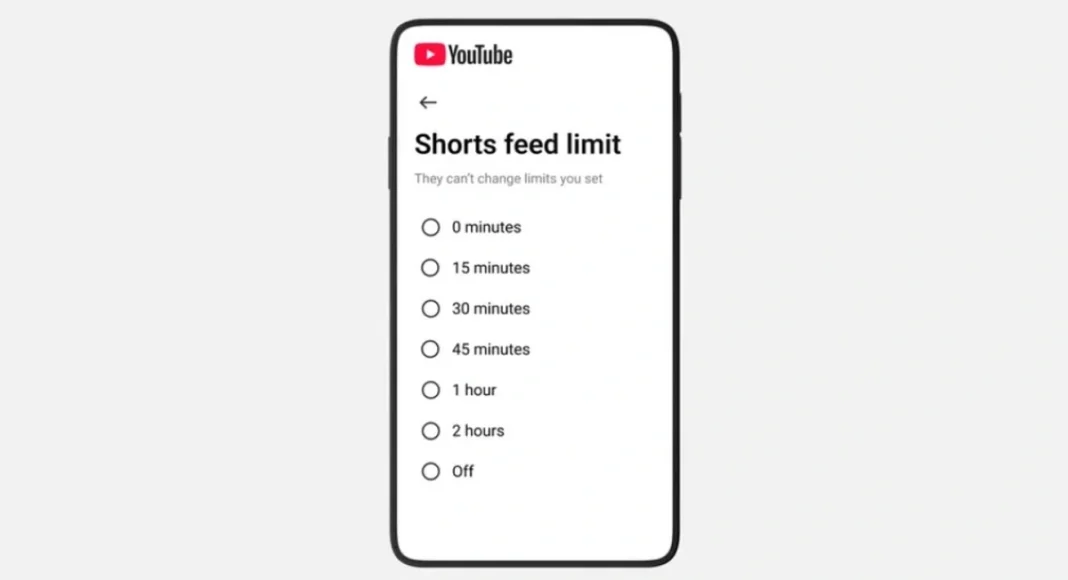
Limits can be imposed on time spent on Shorts feed
As tech accessibility continues to soar, allowing increasingly younger demographics to enter social media and video streaming platforms, the question of child protection continues to pervade discourse.
In response to calls by parents and experts, YouTube has announced several new updates aimed at helping families tailor their experiences on the platform.
Controls for parents
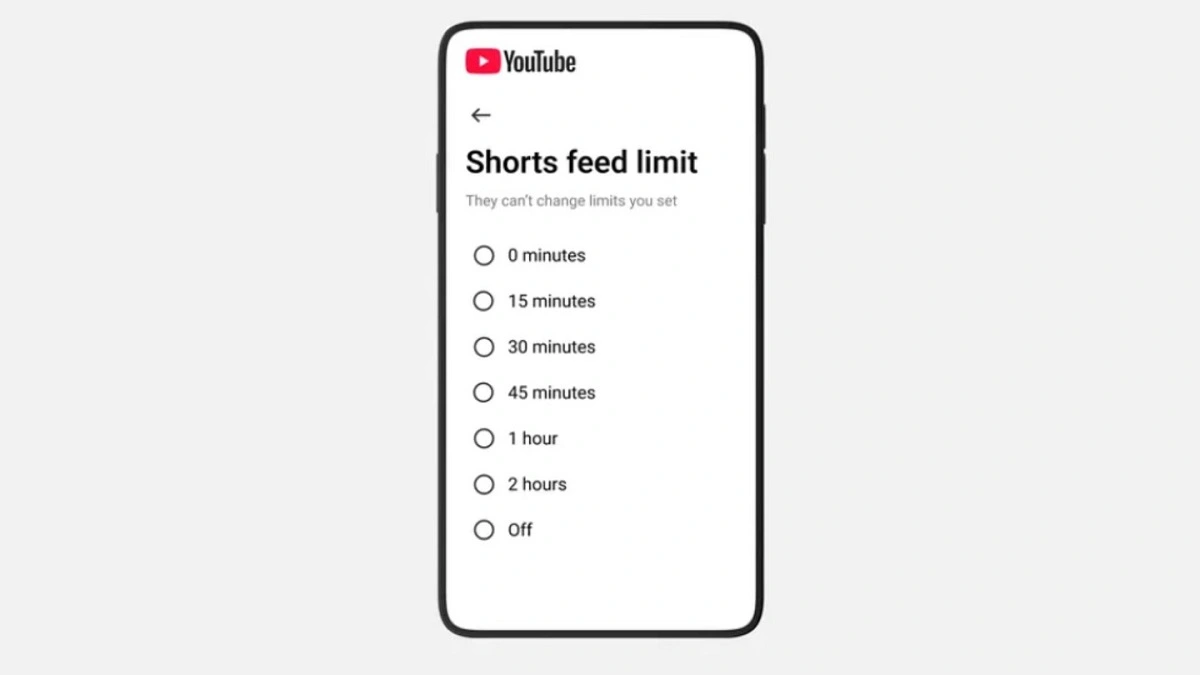
Parents can now help teens be even more intentional about how they watch, with an option to limit the amount of time spent scrolling YouTube Shorts and soon, parents can even set the timer to zero.
An industry-first feature, parents now have firm control over the amount of short-form content their kids watch, which also gives parents flexibility. For example, they can set the Shorts feed limit to zero when they want their teen to use YouTube to focus on homework but change it to 60 minutes during a long car trip for entertainment purposes.
Additionally, parents of supervised accounts will be able to set custom Bedtime and Take a Break reminders, building on the existing enabled-by-default well-being protections for teens.
YouTube sees the tools as helping parents and teens meet each other halfway.
“The biggest changes we incur is macro-level engagement and conversations, as parents make changes to the time they expect their children to be on the Shorts feed, along with parents continuing to feel engaged and empowered with the parental control,” said YouTube Health director and global head Dr Garth Graham.
Blueprint for high-quality content
On top of the new control tools, YouTube will be applying new principles and a creator guide to steer teens toward age-appropriate, higher quality and enriching content.
Dubbed “high-quality content principles”, they encompass content that is joyful and fun, inspires curiousity and inspiration, deepen interests and perspectives, life skills and experience-building, along with conversations that support well-being with credible information.
Meanwhile, the “low-quality content principles” will aid in protecting teens from narrow body standards, dangerous acts and behaviours, bullying, hate and direspect, wealth obsession and misconception and aggressive and intimidating behaviour.
For harmful content, Graham explained that community guidelines are universal and apply globally, as they stand the test of time.
“While that is the case, understanding regional and local contexts is also super important to keep users safe on the platform, because we need to understand how violative content manifests in different places.”
He further noted YouTube has thousands around the world, including those with local language expertise and those who understand cultural nuances, helping work towards detecting and reviewing violative content.
Both principles were developed by the company’s Youth Advisory Committee and the Centre for Scholars & Storytellers at UCLA, with support by experts from the American Psychological Association, Digital Wellness Lab at Boston Children’s Hospital and other global organisations.

Easier set-up for families
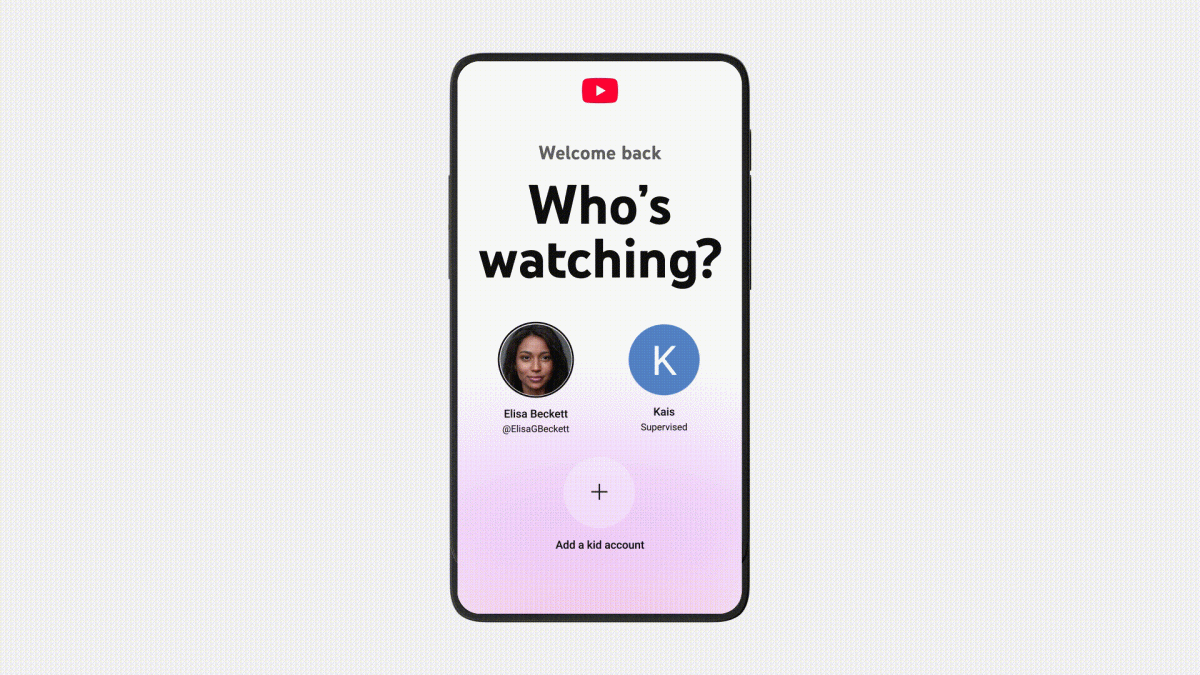
Furthermore, the on-boarding process will see the platform updating its sign-up experience to allow parents to create a new kid account, which they can then easily swap between on the mobile app depending on who is watching.
It will make it easier for everyone in a family unit to have a right viewing experience with the content settings and recommendations of age-appropriate content that they want to watch.
According to YouTube, the new features will be available globally as they are rolled out slowly across different markets by the end of the first quarter of this year.