VIENNA: Malaysia is well-positioned to pursue a nuclear power programme, having built a long-standing tradition and expertise in nuclear technology, International Atomic Energy Agency (IAEA) Director General Rafael Mariano Grossi said.
He said Malaysia’s experience in operating research reactor has provided the country with a strong foundation to advance its nuclear energy ambition as part of its future power mix.
“We have been working with your country, and there is a strong interest that has been manifested to us by the government to explore more systematically the possibility of acceding to nuclear energy,” he said at a media conference with journalists participating in the IAEA Journalists Seminar held here.
Grossi said having a research reactor was “certainly a very good, solid basis” for Malaysia, as it also meant the country already had people familiar with nuclear technology and reactor operations.
“There are many people in Malaysia who know nuclear technology and know what a nuclear reactor is,” he added.
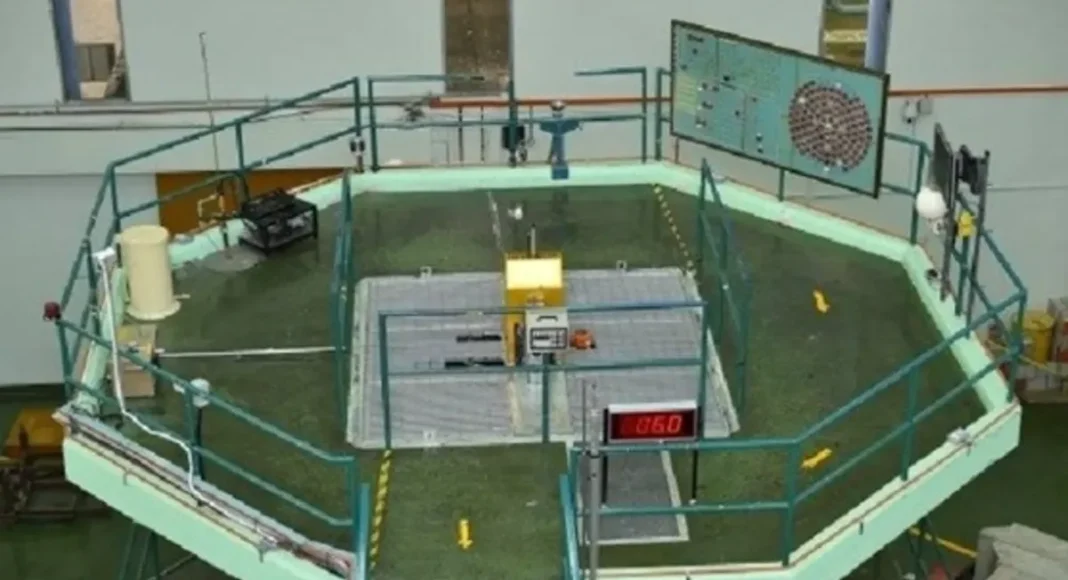
Malaysia operates the Triga Puspati Reactor, the country’s only nuclear research reactor, which began operations in 1982 and reached first criticality on June 28 of the same year.
Located at the Malaysian Nuclear Agency in Bangi, Selangor, the reactor has been used for training, research, isotope production and other scientific applications.
Malaysia has been actively exploring the potential of developing nuclear power as part of strategy to diversify its energy mix, secure clean and reliable electricity supply, and strengthen national energy security agenda.
The ambition was also outlined under the 13th Malaysia Plan (2026-2030), which identifies nuclear energy as a viable source of clean electricity in the national energy mix, with implementation targeted to begin from 2031.
The move comes amid growing electricity demand, the need to reduce dependence on fossil fuels, and Malaysia’s commitment to achieve net-zero greenhouse gas emissions by 2050 as well as concerns over the current global energy crisis caused by the West Asian conflict.
According to IAEA, as of January 2026, about 70 newcomer countries in Africa, Latin America and Asia, are either pursuing or exploring nuclear energy as part of their national development agenda.
Malaysia is among 28 countries currently in the decision-making phase, where governments are assessing the feasibility of embarking on nuclear power programmes.
Grossi said the IAEA provides assistance to countries embarking on nuclear power programmes, including helping them develop the necessary capacity and establish national nuclear regulatory bodies.