
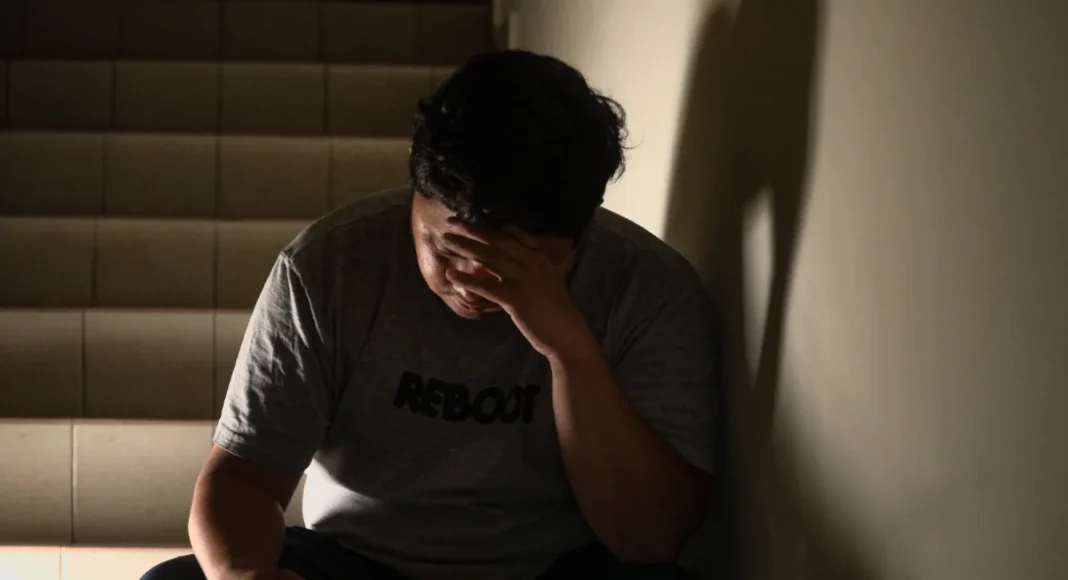
A simple Threads question sparks candid responses as Malaysians reveal stigma, workplace fears and cost as key barriers to seeking psychiatric help.
A SIMPLE question about mental health has triggered a wave of candid responses online, with many Malaysians sharing why they believe people remain hesitant to seek help from psychiatrists.
The discussion began after a Threads user asked: “Why do you think people are still afraid to see a psychiatrist?”
The post quickly gained traction as users flooded the comments section with personal views and experiences, highlighting the persistence of stigma surrounding mental health treatment.
Some users said the fear stems from long-standing societal beliefs that still associate psychiatric care with being “crazy” or unable to cope with life.
“The stigma in society. Many people still believe that only the ‘lunatics’ go to a psychiatrist,” one user, lxvina, commented.
Others pointed to concerns about judgment from family, friends and society, saying these pressures often prevent individuals from seeking help.
One user, sammy_meeeeeee, wrote that while stigma plays a role, workplace discrimination is also a major concern.
“The stigma. I’m not really concerned about what friends or family think. My bigger concern is employers. The moment they find out you have a history of psychiatric treatment, some people start looking at you differently,” the user said.
They added that individuals with a history of psychiatric treatment may face disadvantages in hiring and workplace evaluation due to lingering biases.
Other commenters highlighted additional barriers, including the cost of treatment, limited access to services and the difficulty of acknowledging the need for professional support.
The discussion also reflected broader recognition that while mental health awareness has improved in recent years, stigma continues to exist in many communities.
Many users agreed that seeking psychiatric help should not be seen as a weakness, but rather as an important step in maintaining personal wellbeing.
As the question continues to circulate online, responses suggest that for many people, the biggest barrier is not access to help, but fear of being judged for seeking it.