Table of Contents
Colour, raw textures, flexibility define today’s furniture trends
FURNITURE design is shifting away from strict minimalism and moving towards more expressive styles that blend nostalgia with modern functionality, according to judges and designers at the recent Malaysian International Furniture Fair (MIFF) 2026 awards.
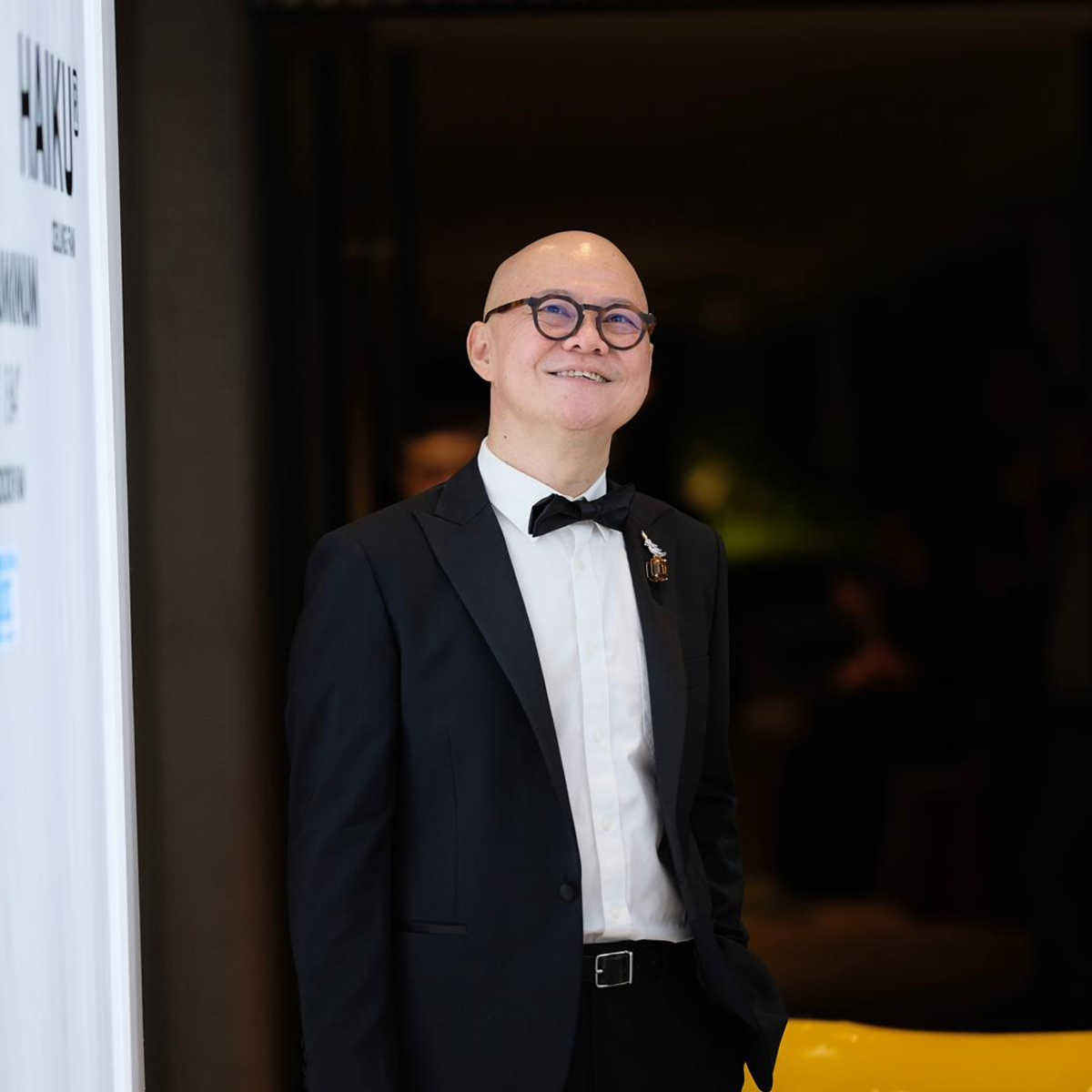
Chief judge and interior designer Dr Eric Leong reflected on a mix of influences from different decades, particularly the 1980s and 1990s, combined with the practical demands modern lifestyles.
“For me, I find that right now we are in a digital world where everything moves too fast. Every generation is trying to slow down their lives,” Leong told theSun.
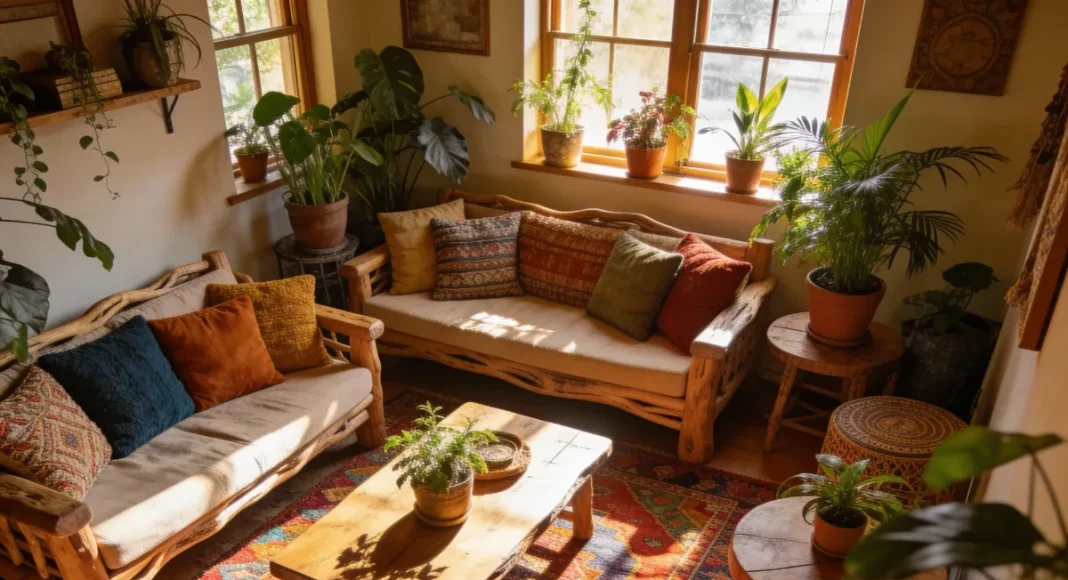
Because of that, minimalist design is no longer the dominant style. Instead, designers are experimenting with combinations of textures, colours and raw finishes.
“So the current design trend is mix and match. You can see influences from the 80s and 90s combined with today’s functions,” he said.
He added that contemporary furniture now often features more visible materials and less polished finishing.
“You can see a bit of colour, a bit of bohemian style and a bit of raw finish. You hardly see very high-gloss luxury finishing now,” he said.
Leong noted design furniture trends tend to move in cycles, meaning minimalist aesthetics could eventually return.
“All design is a cycle. If you live long enough, you will see the full cycle,” he said.
Slow living, intentional designs
Another major shift is the growing importance of modular furniture. With living spaces becoming smaller and lifestyles more flexible, modular pieces allow consumers to customise furniture based on their needs.
“Modular lets you decide how big or how long the furniture should be. If your space is small, you don’t need the full set. You can build it piece by piece like Lego,” he said.
Beyond style, materials are also evolving as manufacturers adapt to supply constraints and sustainability concerns. According to Leong, furniture makers are increasingly turning to imported wood, recycled timber and composite materials as natural wood becomes harder to source.
“Malaysian wood is getting scarce, so manufacturers are starting to use imported wood or recycled materials,” he said.
While materials and styles continue to change, Leong stressed furniture trends still needs to serve practical everyday needs.
“A lot of designers forget this. Your product needs to solve people’s problems,” he said.
That focus on usability was also reflected in a furniture design competition held during the event, which challenged participants to design furniture for children aged five to nine while appealing to Gen Z parents who would ultimately purchase the products.
Playful inspirations, meaningful motfis
Among the winners at the MIFF 2026 awards was a 19-year-old Indonesian Jessica Antonius, whose award-winning children’s bedroom concept drew inspiration from playgrounds.

“The main inspiration behind my design is playgrounds. They are places where children usually have fun and are free to do anything they like.”
Her design incorporated interactive elements such as hanging rods and open structures that encourage play while remaining functional as bedroom furniture.
“I wanted to incorporate playground elements into the furniture so it becomes more playable,” she said.
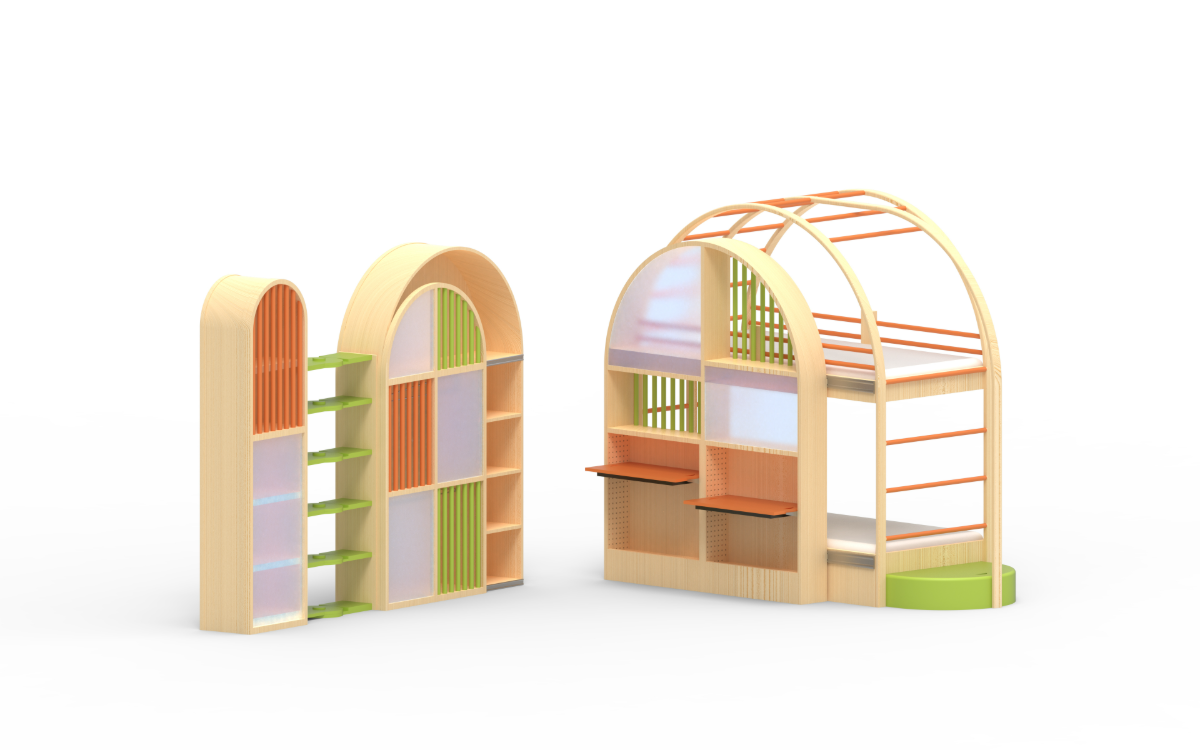
She also experimented with unconventional materials such as acrylic panels, which she used as transparent covers to create a more open visual structure.
“I rarely see furniture using acrylic, so I wanted to try something different,” said Antonius, who is a Technology & Innovation student at Asia Pacific University.
Despite the playful concept, she acknowledged modern furniture trends still prioritises practicality.
“Nowadays I see lots of furniture that look similar because people put function first,” she said.
As furniture trends evolve, designers are increasingly balancing playful aesthetics with functionality to suit modern homes and lifestyles.
READ MORE:
Why succulents fit so easily into modern urban homes
Greener living: green products, lower waste